The European Commission has proposed sharp reductions to Baltic Sea fishing quotas for 2026, warning that several stocks are in a “dire situation” after decades of pressure. The plan, drawn from scientific advice by the International Council for the Exploration of the Sea (ICES), sets catch limits that would squeeze coastal fleets from Sweden to Poland. It is the opening move in a negotiation that EU ministers must settle in October.
The proposal mixes a handful of increases with much deeper cuts. The Commission wants to lift salmon catches in the Gulf of Finland by 1 percent and leave central Baltic herring and sprat unchanged. Elsewhere the direction is firmly downward.
Bothnian herring would fall by 62 percent, herring in the Gulf of Riga by 17 percent, main basin salmon by 27 percent and plaice by 3 percent. For western Baltic cod, eastern Baltic cod and western Baltic herring, the Commission proposes limits covering unavoidable by-catch only, with reductions of 84, 63 and 50 percent respectively.
The Baltic is one of Europe’s most fragile seas. Years of overfishing, warming water, nutrient run-off and low-oxygen “dead zones” have left cod and herring populations struggling to recover. Scientists have flagged the problem for years, and the Commission argues the numbers leave little room to manoeuvre.
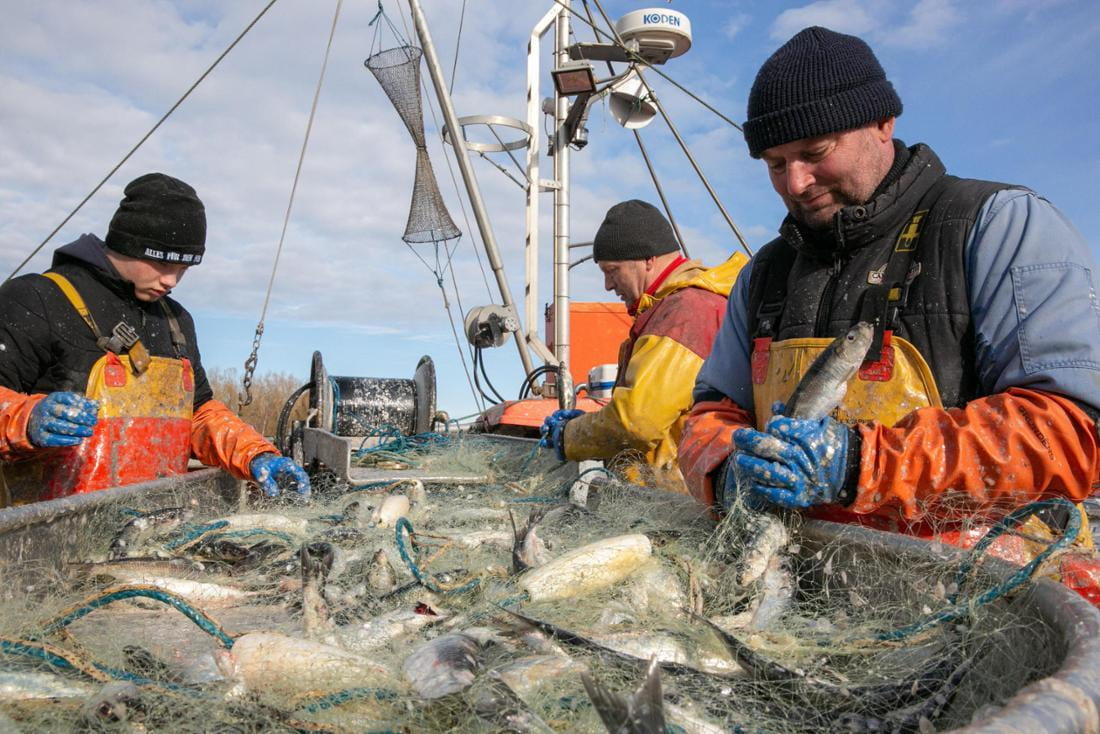
Setting quotas above scientific advice, officials say, would only push weak stocks closer to collapse and delay any rebound. The pain, meanwhile, will fall hardest on small-scale operators who depend on a narrow range of species and have limited ability to switch grounds when a quota is slashed.
To cushion the blow, the Commission points to the European Maritime, Fisheries and Aquaculture Fund and the European Social Fund Plus. Both can finance temporary tie-up schemes, retraining and diversification for crews forced off the water. Critics counter that funding rarely matches the scale of lost income.
The proposal is not the final word. EU fisheries ministers will negotiate the 2026 total allowable catches at the Council in October, and the agreed figures typically land somewhat higher than the Commission’s opening bid. That gap between science and politics is exactly what environmental groups will be watching.
The stakes reach beyond the Baltic itself. As the EU’s only large enclosed sea shared almost entirely by member states, its management is a test case for the bloc’s Common Fisheries Policy and its promise to fish at sustainable levels. For the Baltic, campaigners argue, another year of generous limits is a risk the sea can no longer absorb.