August 22, 2026
LATEST
What the EU Taiwan Framework Would Actually Have to DoKorea Signed a Digital Trade Deal That Nobody Has RatifiedCritical Minerals in Mongolia Still Have to Cross Two BordersCan an Indonesia Trade Deal Survive Two Years of RatifyingCross-Border Data Orders Went Live Before the Plumbing DidPlatform Work Rules Take Effect in December and Few Are ReadyCan Europe’s Firefighting Fleet Keep Pace With EU WildfiresThe AI Act Deadline Passed on 2 August and Nothing BitWhy Construction Keeps Shrinking While Confidence ImprovesAccession Talks Stall Again and September 1 Is the TestBrussels Applied a Trade Deal It Cannot Yet RatifyAfrica’s Power Market Now Needs Money More Than BlueprintsLong-Term Budget Talks Enter Autumn Without a Council LineForeign Subsidies Enforcement Now Turns on a Dublin RaidWho Writes Europe’s Telecom Rules Once Copper DisappearsDisability Cards Exist on Paper and Nowhere Else Until 2028Losing Visa-Free Travel Now Takes a Thirty Percent SwingTwenty Flagship Actions Will Test Whether the Culture Compass WorksEurope’s Quality Jobs Act Now Rests on What Unions Do by SeptemberDoes a Three Euro Parcel Duty Change Anything About Cheap ImportsWhat the EU Taiwan Framework Would Actually Have to DoKorea Signed a Digital Trade Deal That Nobody Has RatifiedCritical Minerals in Mongolia Still Have to Cross Two BordersCan an Indonesia Trade Deal Survive Two Years of RatifyingCross-Border Data Orders Went Live Before the Plumbing DidPlatform Work Rules Take Effect in December and Few Are ReadyCan Europe’s Firefighting Fleet Keep Pace With EU WildfiresThe AI Act Deadline Passed on 2 August and Nothing BitWhy Construction Keeps Shrinking While Confidence ImprovesAccession Talks Stall Again and September 1 Is the TestBrussels Applied a Trade Deal It Cannot Yet RatifyAfrica’s Power Market Now Needs Money More Than BlueprintsLong-Term Budget Talks Enter Autumn Without a Council LineForeign Subsidies Enforcement Now Turns on a Dublin RaidWho Writes Europe’s Telecom Rules Once Copper DisappearsDisability Cards Exist on Paper and Nowhere Else Until 2028Losing Visa-Free Travel Now Takes a Thirty Percent SwingTwenty Flagship Actions Will Test Whether the Culture Compass WorksEurope’s Quality Jobs Act Now Rests on What Unions Do by SeptemberDoes a Three Euro Parcel Duty Change Anything About Cheap Imports
August 22, 2026
LATEST
What the EU Taiwan Framework Would Actually Have to DoKorea Signed a Digital Trade Deal That Nobody Has RatifiedCritical Minerals in Mongolia Still Have to Cross Two BordersCan an Indonesia Trade Deal Survive Two Years of RatifyingCross-Border Data Orders Went Live Before the Plumbing DidPlatform Work Rules Take Effect in December and Few Are ReadyCan Europe’s Firefighting Fleet Keep Pace With EU WildfiresThe AI Act Deadline Passed on 2 August and Nothing BitWhy Construction Keeps Shrinking While Confidence ImprovesAccession Talks Stall Again and September 1 Is the TestBrussels Applied a Trade Deal It Cannot Yet RatifyAfrica’s Power Market Now Needs Money More Than BlueprintsLong-Term Budget Talks Enter Autumn Without a Council LineForeign Subsidies Enforcement Now Turns on a Dublin RaidWho Writes Europe’s Telecom Rules Once Copper DisappearsDisability Cards Exist on Paper and Nowhere Else Until 2028Losing Visa-Free Travel Now Takes a Thirty Percent SwingTwenty Flagship Actions Will Test Whether the Culture Compass WorksEurope’s Quality Jobs Act Now Rests on What Unions Do by SeptemberDoes a Three Euro Parcel Duty Change Anything About Cheap ImportsWhat the EU Taiwan Framework Would Actually Have to DoKorea Signed a Digital Trade Deal That Nobody Has RatifiedCritical Minerals in Mongolia Still Have to Cross Two BordersCan an Indonesia Trade Deal Survive Two Years of RatifyingCross-Border Data Orders Went Live Before the Plumbing DidPlatform Work Rules Take Effect in December and Few Are ReadyCan Europe’s Firefighting Fleet Keep Pace With EU WildfiresThe AI Act Deadline Passed on 2 August and Nothing BitWhy Construction Keeps Shrinking While Confidence ImprovesAccession Talks Stall Again and September 1 Is the TestBrussels Applied a Trade Deal It Cannot Yet RatifyAfrica’s Power Market Now Needs Money More Than BlueprintsLong-Term Budget Talks Enter Autumn Without a Council LineForeign Subsidies Enforcement Now Turns on a Dublin RaidWho Writes Europe’s Telecom Rules Once Copper DisappearsDisability Cards Exist on Paper and Nowhere Else Until 2028Losing Visa-Free Travel Now Takes a Thirty Percent SwingTwenty Flagship Actions Will Test Whether the Culture Compass WorksEurope’s Quality Jobs Act Now Rests on What Unions Do by SeptemberDoes a Three Euro Parcel Duty Change Anything About Cheap Imports

China Shuts Out Europe’s Medical Devices in a Widening Trade War

Paris: The European Union set out to make Beijing feel the cost of a closed market. A year on, that gamble has hardened into a two-way blockade that reaches from operating theatres to the cognac cellars of Charente, and neither side shows much appetite to blink first.

The dispute began when Brussels triggered its International Procurement Instrument against Chinese medical-device makers, the first time the bloc had deployed the tool since it entered force. The measure locks Chinese suppliers out of EU public tenders for medical equipment above five million euros, a market European officials value in the tens of billions each year. Brussels argued that European firms had spent years watching Chinese buyers wall off their own procurement, and that reciprocity had to mean something.

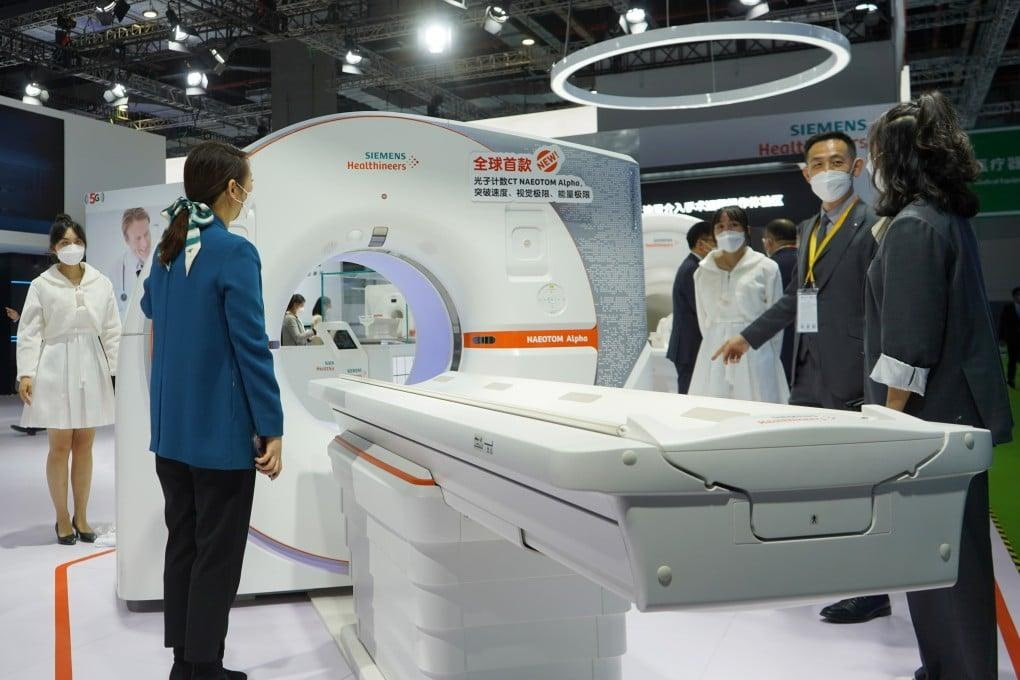
China answered in kind. Beijing barred European medical-device companies from government contracts above roughly forty-five million yuan, a threshold that captures most large hospital purchases. The symmetry was deliberate. Chinese negotiators wanted European capitals to understand that any instrument the Union built could be turned around and pointed back at Siemens Healthineers, Philips and the continent’s other diagnostics champions, which count China among their fastest-growing markets.

The quarrel did not stay inside the hospital. Beijing had already slapped anti-dumping duties of between roughly 28 and 35 percent on European brandy, a penalty aimed squarely at French cognac houses that sell a large share of their premium bottles into China. Producers in the Charente treated the tariffs as a hostage-taking dressed up as trade defence, retaliation for Europe’s earlier duties on Chinese electric vehicles rather than any real case of dumping.

What makes this round different from the electric-vehicle fight is that both governments are now trading in categories that ordinary voters recognise. A blocked scanner slows a cancer diagnosis; a tariff on cognac threatens jobs in a region that has exported the same spirit for three centuries. The politics of retaliation grow sharper when the casualties are hospitals and heritage industries rather than abstract supply chains.

European strategists insist the medical-device measure is working exactly as intended. The point was never to punish Chinese firms but to create leverage, a bargaining chip Brussels can trade away once Beijing opens its own tenders. Critics counter that the Union has walked into a contest of endurance it is poorly built to win, because a single European market answers to twenty-seven governments while China answers to one. Every month the standoff drags on, the pressure to grant an exemption grows in one capital or another.

There is a narrow path out. Chinese and European officials have kept talking about a wider settlement that would swap the electric-vehicle duties for minimum price commitments and, in theory, unwind the procurement penalties on both sides. Yet those talks have moved slowly, and each new tariff makes the eventual bargain harder to sell at home. For now, Europe’s first experiment in procurement power has proved that it can shut a door. Whether it can pry one open is the question Brussels has yet to answer.