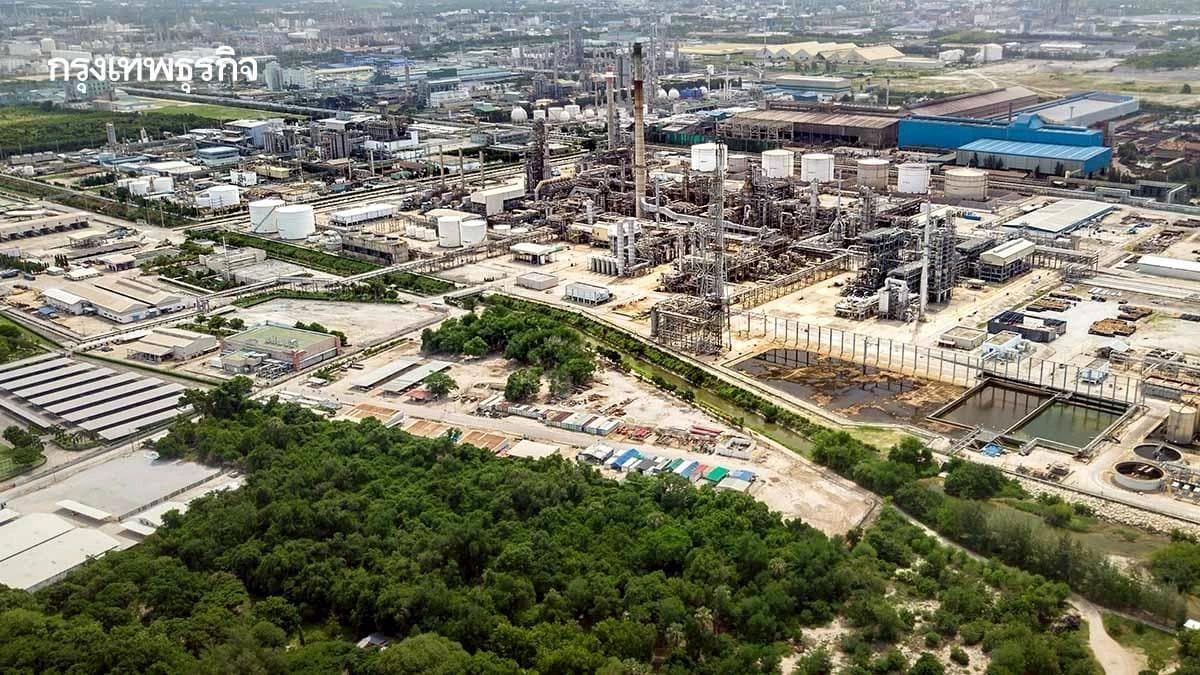
Rayong: The refineries and vehicle plants strung along Thailand’s eastern seaboard already sell into Europe, and they do it under tariff lines that nobody has renegotiated in this century. The Thailand FTA is meant to fix that, and Bangkok now insists it can close the text at a tenth round in late September.
The arithmetic behind that promise deserves a closer look. Negotiators shut 15 of 24 chapters at the ninth round in Brussels in late June, which officials describe as roughly two-thirds of the agreement. Two-thirds of a trade text is not two-thirds of the work. Chapters close in rough order of difficulty, so the ones still open are the ones both sides deliberately postponed.
Three files carry the weight. Agriculture sits at the centre, because Thai rice, poultry and processed food exporters want tariff lines that European farm associations have defended for decades. Sanitary and phytosanitary rules sit alongside it, and they matter more than the tariff schedule does. A Thai poultry processor cares far less about a duty of a few percent than about how many months an establishment approval takes. Investment protection is the third, and it is the one where Thai negotiators have the least room, because the European template on dispute settlement has hardened since the last Asian deal.
Bangkok’s urgency is not really about Brussels. Thailand has spent two years recalibrating an economy that leans heavily on Chinese demand and Chinese investment, while absorbing the shock of American tariff policy on its manufactured exports. A European agreement diversifies both dependencies at once. Deputy Prime Minister and Commerce Minister Suphajee Suthumpun has framed the timetable in those terms, and her working committee is convening domestic agencies before the September session precisely because the concessions now needed are ones that hurt someone in Thailand.
Europe reads the same calendar differently. The Commission gains a partner in a region where it has struggled to convert strategy documents into signed text, and it gains that partner without conceding anything on regulatory autonomy. This is the point most coverage misses. A concluded agreement does not exempt Thai exporters from the carbon border levy, the deforestation regulation or the corporate sustainability rules. Thai rubber, palm derivatives and processed food will meet those requirements whether or not the tariffs fall. The FTA lowers the price of entry; it does not simplify the door.
Anyone treating late September as a finish line should look at what conclusion actually buys. Legal scrubbing takes months. Translation into every official language takes longer. Then a Council decision, then European Parliament consent, then a decision about whether any part applies provisionally. India signed its agreement with the European Union in January and is still working through ratification on both sides. Thailand, starting from a conclusion rather than a signature, would be doing well to see preferences apply in 2028.
There is a reasonable counterargument. Speed has value of its own, and a text closed in 2026 locks in commitments before either side’s politics shift again. Thai officials making that case are not wrong about the direction of global trade policy. But a rushed agriculture chapter produces the kind of ambiguity that surfaces later as a safeguard dispute, and Europe has spent this year discovering how little appetite exists for triggering safeguards it already has.
The useful question in September is not whether the two sides announce a conclusion. It is whether the SPS annex contains timelines that a Thai processor can plan against. That detail, buried in a technical annex nobody will summarise, will decide what the agreement is worth.