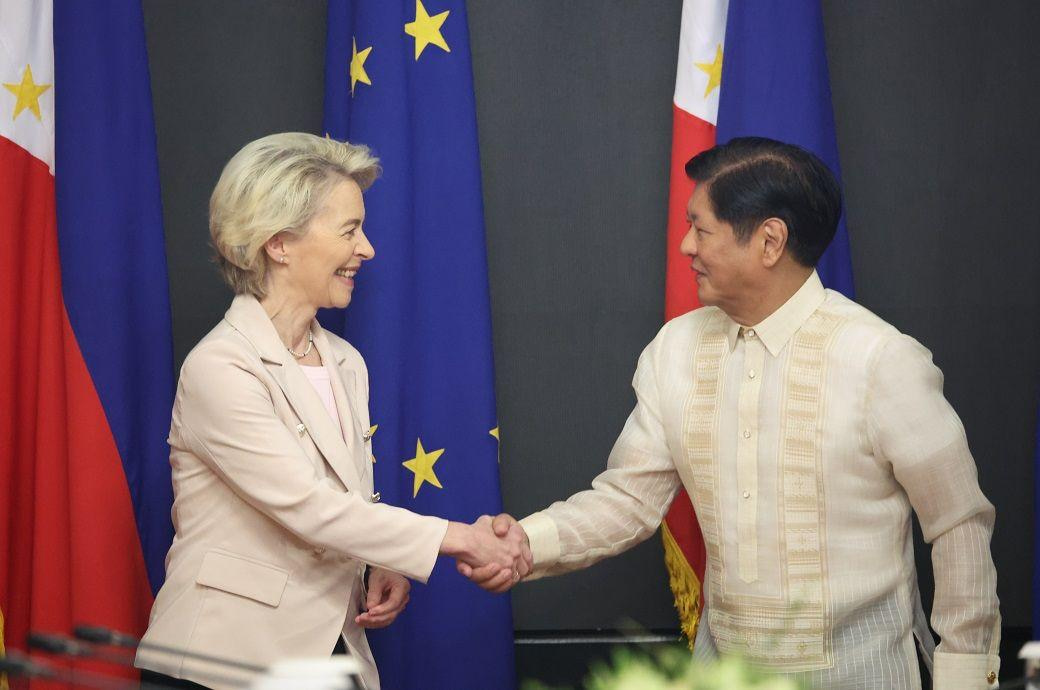
Manila: The Philippine government has spent 2026 describing a single document as the most important economic agreement it will sign all year. Negotiators on both sides now aim to close the EU–Philippines free trade agreement before the third quarter ends. That is an aggressive timetable for a text that has been under discussion, on and off, since 2015.
Brussels has been assembling Southeast Asia one country at a time because the regional route failed. Talks between the European Union and ASEAN as a bloc stalled years ago on the obvious problem, which is that Singapore and Laos cannot sign the same tariff schedule. So the Commission switched to bilateral deals. Singapore came first, then Vietnam, then Indonesia. Thailand and Malaysia are still at the table. The Philippines may finish ahead of both.
The numbers explain the appetite. ASEAN and the European Union traded roughly 320 billion dollars in goods in 2025, and the joint ministerial statement from both sides treats progress on bilateral agreements as the main vehicle for growing that figure. For Manila the calculation is sharper still. The Philippines currently ships a large share of its European exports under preferential tariff schemes that carry conditions and expiry dates. A ratified agreement converts a concession into a contract.
Europe wants something less obvious in return. Philippine tariff lines matter far less to European exporters than services access, public procurement, digital rules and investment protection. Brussels also wants the sustainability chapter that now travels with every European trade text, covering labour standards, deforestation and climate commitments. Those chapters have become the hardest part of any negotiation, as the Mercosur experience demonstrated at length.
Philippine industry has raised the predictable objections. Agricultural producers fear European dairy and pork. Manufacturers worry about intellectual property provisions written for economies further up the value chain. And human rights conditionality remains a live domestic argument in a country where European preferences have previously been tied to it.
There is a geopolitical layer that neither side advertises loudly. Manila’s maritime disputes with Beijing have pushed it toward partners who will not use trade as leverage during a standoff. Europe presents itself as exactly that kind of partner, offering rules rather than pressure. Whether the Union can hold that line when Chinese retaliation reaches European exporters is untested, but the pitch lands well in Southeast Asia right now.
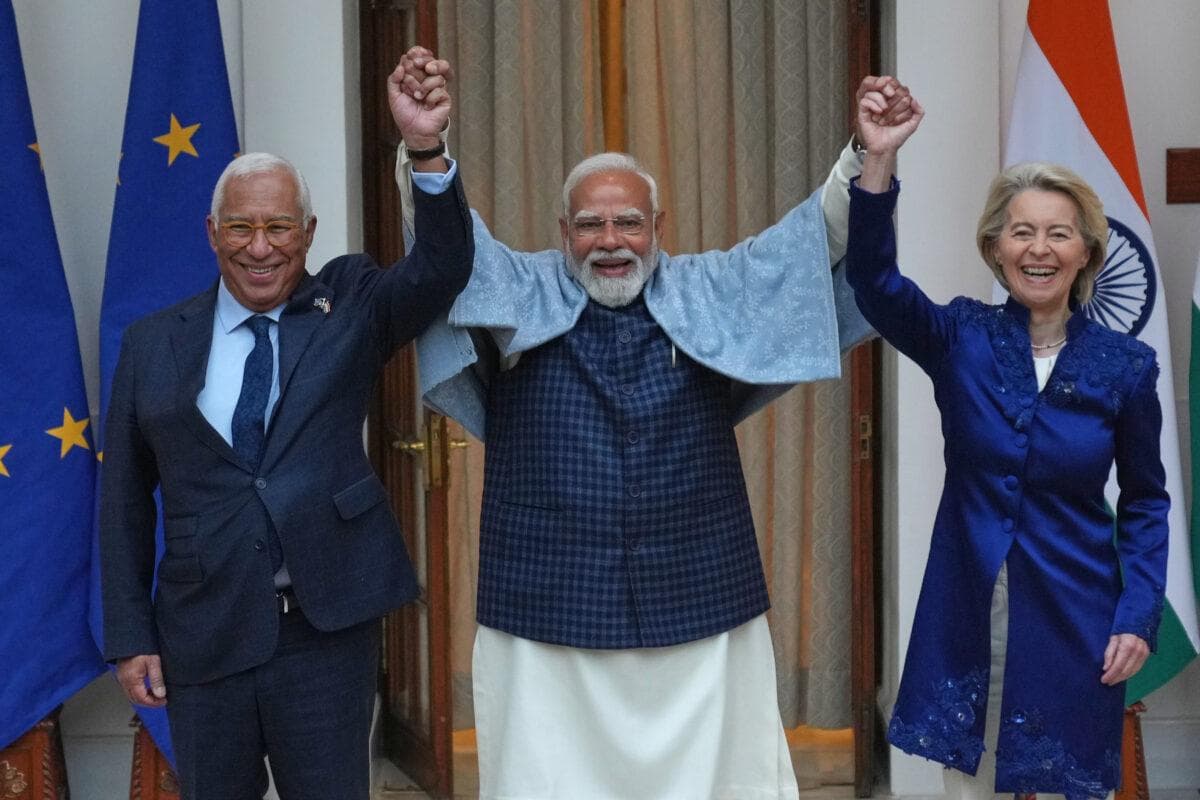
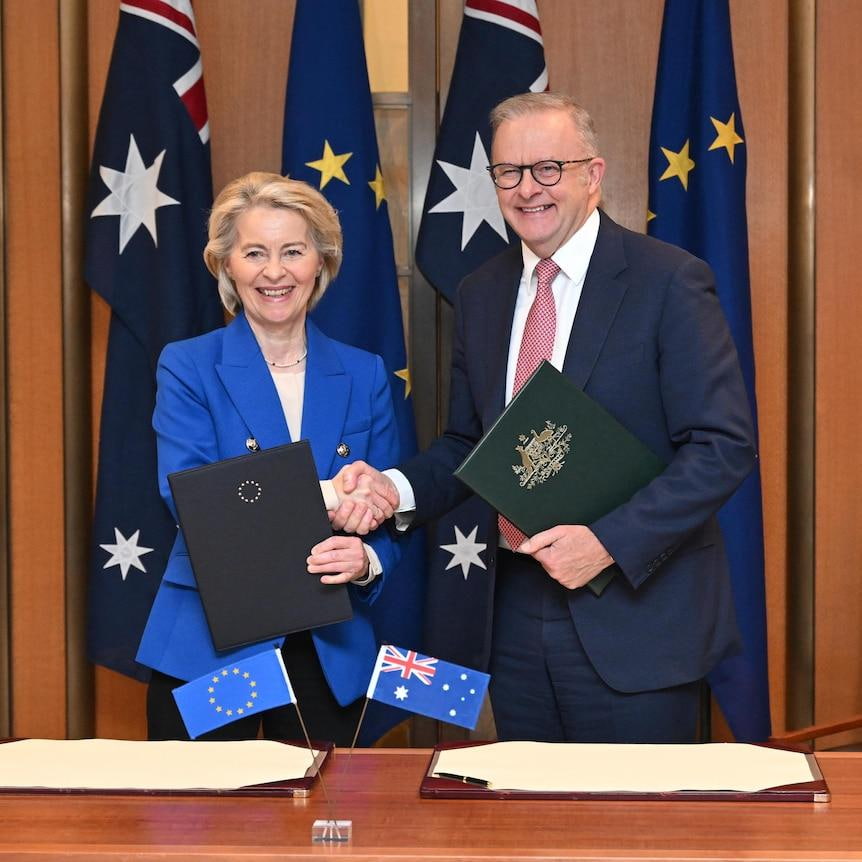
The realistic risk is not collapse but delay. Signature in the third quarter of 2026, if achieved, starts a ratification process that runs through the European Parliament and, depending on scope, national capitals. The Indonesian and Mercosur files both show how long that stretch can become. Philippine exporters will not feel a single euro of tariff relief for years after the photographs are taken.
Still, closing the text matters more than the timeline that follows. Every completed bilateral deal makes the next one easier, gives European negotiators a template and slowly builds the regional coverage that the failed bloc-to-bloc approach never delivered. Manila is not the largest prize in Southeast Asia. It may turn out to be the one that proves the method works.