Ulaanbaatar: Mongolia calls the European Union a third neighbour. It is a diplomatic phrase with a geographic apology buried inside it, because the country has exactly two actual neighbours and both of them are enormous. Every mineral Mongolia sells must cross Russian or Chinese territory to reach anyone else. That single constraint shapes every conversation Brussels has here.
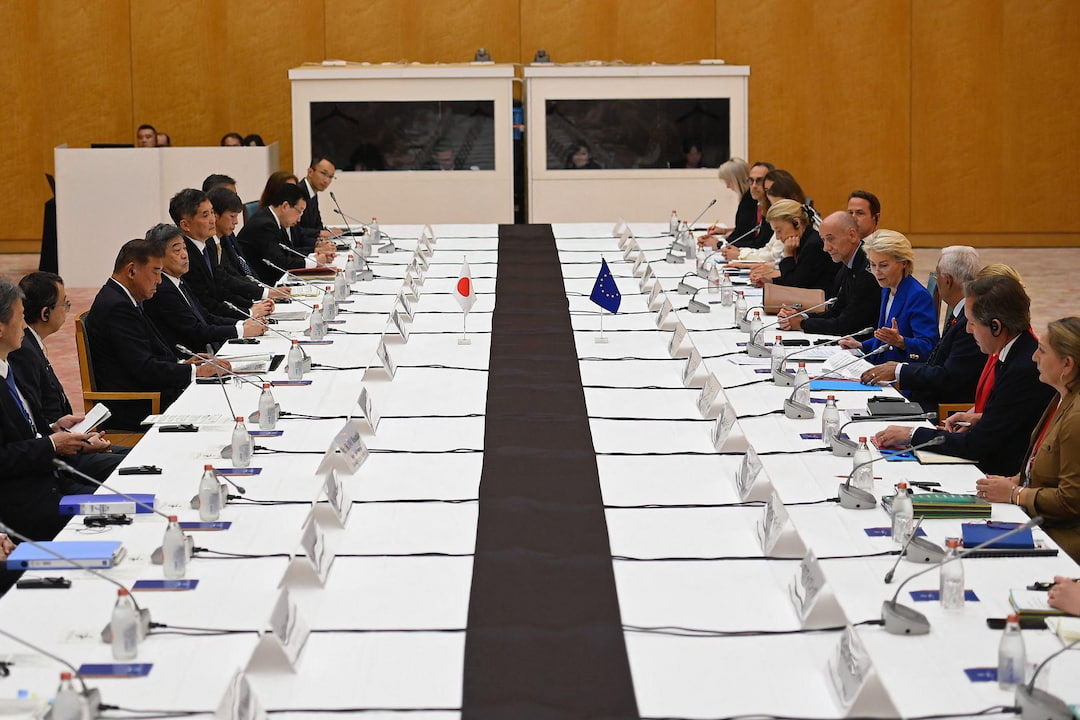
The two sides held their Joint Committee under the Partnership and Cooperation Agreement in the Mongolian capital, the standing forum created when that agreement entered into force in 2017. The European External Action Service describes an agenda covering trade, governance, climate and, increasingly, critical raw materials. The European Parliament’s research service has separately examined whether a formal raw materials partnership makes sense.
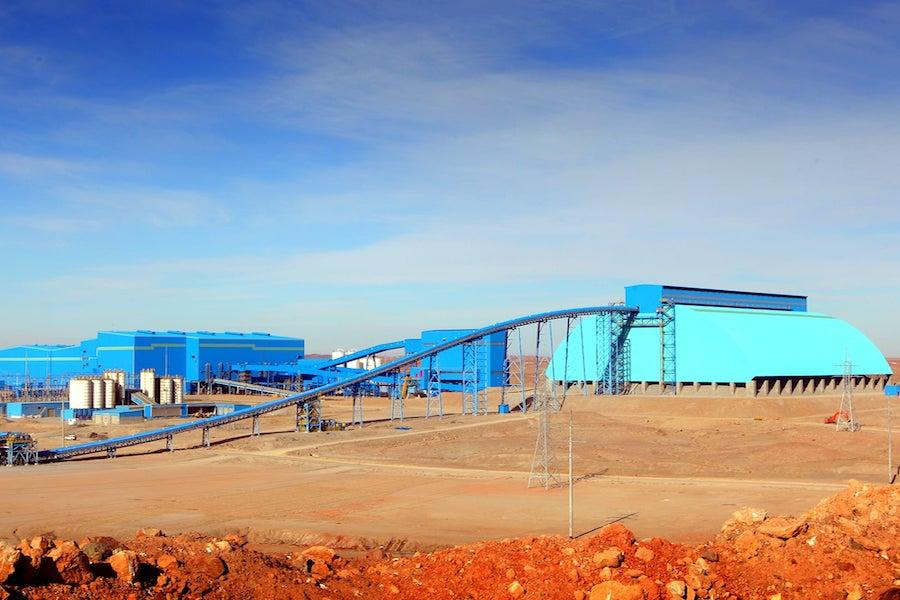
The geological case is strong. Mongolia holds copper, fluorspar, rare earths, uranium and coking coal in quantities that matter globally. Oyu Tolgoi alone ranks among the largest copper deposits on the planet, and copper is the metal Europe’s electrification plans consume most greedily. The Union has signed raw materials partnerships with a long list of countries over the past three years. Mongolia is not yet on it.
The reason is logistics rather than politics. A partnership that cannot move product is a press release. Mongolian exports travel by rail, and the rail runs to China, which absorbs the overwhelming majority of the country’s mineral output. Routing westward means Russian track, which European sanctions policy has made unattractive, or a long detour through Central Asia that adds cost at every transfer. Brussels can sign whatever it likes. Physics and gauge width will still decide.
Mongolian officials understand the asymmetry better than their visitors sometimes do. The third neighbour policy exists precisely because dependence on two markets has repeatedly cost the country negotiating leverage. Diversifying toward Europe, Japan, Korea and North America is a hedge, not a pivot, and Ulaanbaatar has no illusion about replacing Chinese demand. What it wants from Europe is investment quality, regulatory credibility and a buyer that pays for environmental standards rather than merely demanding them.
That last point is where the European offer is genuinely distinctive. Mongolian mining has a long record of disputes over water use, herder displacement and revenue transparency. European due diligence rules, whatever European industry says about their cost, give a government leverage against its own extractive sector. A Mongolian regulator citing a European standard is in a stronger position than one citing only domestic law.
The risk on the European side is a familiar one. Brussels has developed a habit of announcing mineral partnerships faster than it develops the finance, offtake contracts and processing capacity that would make them real. Signing an eleventh memorandum while the first ten remain underfunded does not reduce dependence on anyone. It merely redistributes the paperwork.
A serious European approach to Mongolia would start with the corridor rather than the commodity, which means working with Kazakhstan, Turkey and the Caspian route operators on whether Mongolian volume can physically move west at a price anyone will pay. If the answer is no, honesty serves both sides better than another joint declaration. If the answer is yes, the third neighbour finally becomes something more than a courtesy.