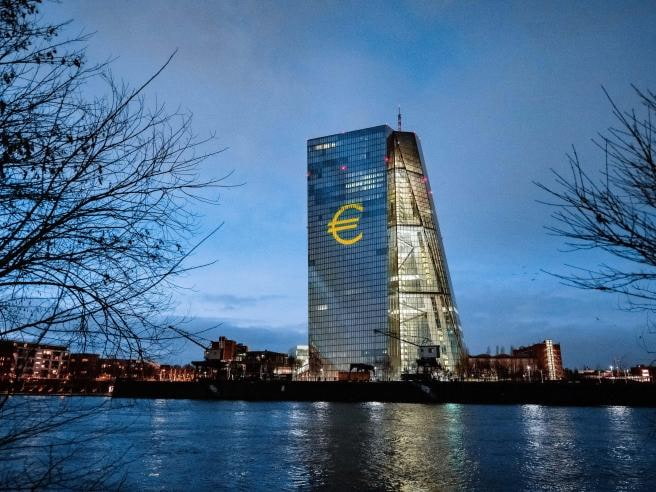
Frankfurt: The digital euro entered trilogue negotiations in late July with the two co-legislators still disagreeing about who may hold it and who decides how much. Parliament adopted its first-reading position on 9 July 2026, seven months after the Council fixed its own mandate under the Danish presidency in December 2025. Negotiators now have roughly five months to reconcile the texts if they want the file closed before the year ends.
Both institutions accept the shape of the instrument. The digital euro would exist in an online form settled through supervised intermediaries and an offline form that works device to device without a network connection, giving the currency a cash-like fallback. Banks would distribute it, the European Central Bank would issue it, and basic use would cost consumers nothing.
The fight sits in the details that determine how much deposit money could migrate. Parliament wants a near-total ban on legal persons holding digital euro written into the regulation itself, keeping the instrument firmly in the retail lane. The Council prefers to leave holding limits and corporate access to the ECB, arguing that a number frozen into primary law will age badly. The Parliament’s own file tracker records the two mandates and the distance between them.
Commercial banks back Parliament’s instinct for a hard cap. Their concern is deposit flight during a stress episode, when households could move balances into a central bank liability within seconds and drain funding from institutions that need it most. Central bankers counter that holding limits, tiered remuneration and waterfall arrangements to linked accounts already address the risk, and that legislating a ceiling removes the flexibility to respond when conditions change.
Behind the technical argument sits a strategic one that both sides invoke. Two American card networks process the large majority of card payments in the euro area, and in several member states no domestic scheme exists at all. Officials describe the digital euro as insurance against a payment infrastructure the Union does not control, a point that gained force as sanctions and tariff disputes reminded capitals how quickly commercial dependencies become political ones.
The sceptics ask a fair question about demand. Instant payments already settle in seconds across the euro area, national wallets work well in the countries that have them, and surveys consistently show modest consumer appetite for another payment option. If the digital euro launches without merchants that accept it and consumers who want it, the Union will have built expensive infrastructure to solve a problem that markets partly solved first.
Privacy will decide public reception whatever the co-legislators write. The offline version offers cash-like confidentiality for small transactions, and both mandates bar the ECB from linking payment data to individual identities. Convincing citizens that a central bank cannot see what they buy requires more than a recital, and the campaign against the project has already found its slogans.
The Banca d’Italia notes that the ECB is preparing for issuance around 2029 even while the legal text remains open. That sequencing is deliberate and slightly uncomfortable. Preparation continues, the deadline stands, and the holding limit stays unresolved.