Hsinchu: Semiconductor cooperation between Europe and Taiwan works wherever diplomacy is not required and stalls everywhere else. Engineers collaborate, firms invest, researchers publish together. What none of it has is a treaty, a ministerial dialogue, or an institutional home that survives a change of Commission.
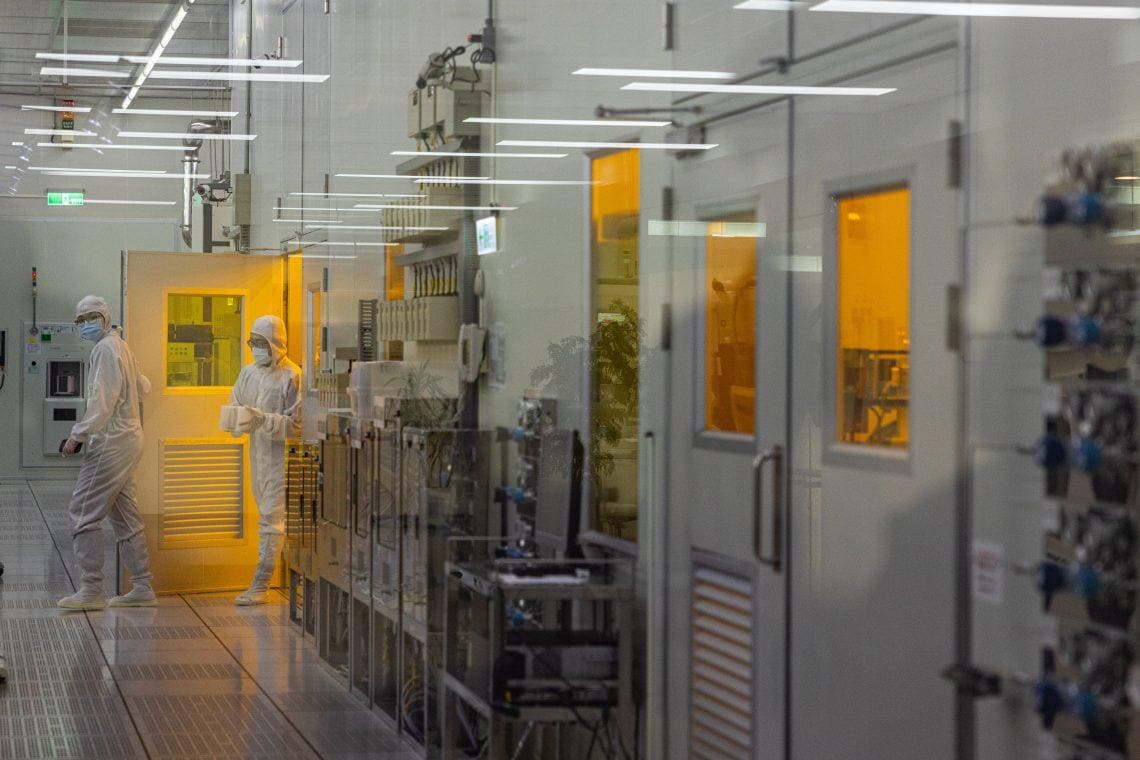
The industrial dependence is not in dispute. Taiwanese fabs produce close to nine-tenths of the world’s most advanced logic chips at the leading nodes, and European demand for those parts climbs with every electrification programme and every data-centre buildout on the continent. The Commission prepared a second Chips Act precisely because the first one did not close that gap.
Europe’s One China policy sets the boundary of what officials can do about it. Brussels maintains no diplomatic relations with Taipei, and every EU member state except the Holy See does the same. Cooperation therefore travels through channels designed to avoid the appearance of state-to-state contact, which works reasonably well for industry dialogues and badly for anything requiring a signature.
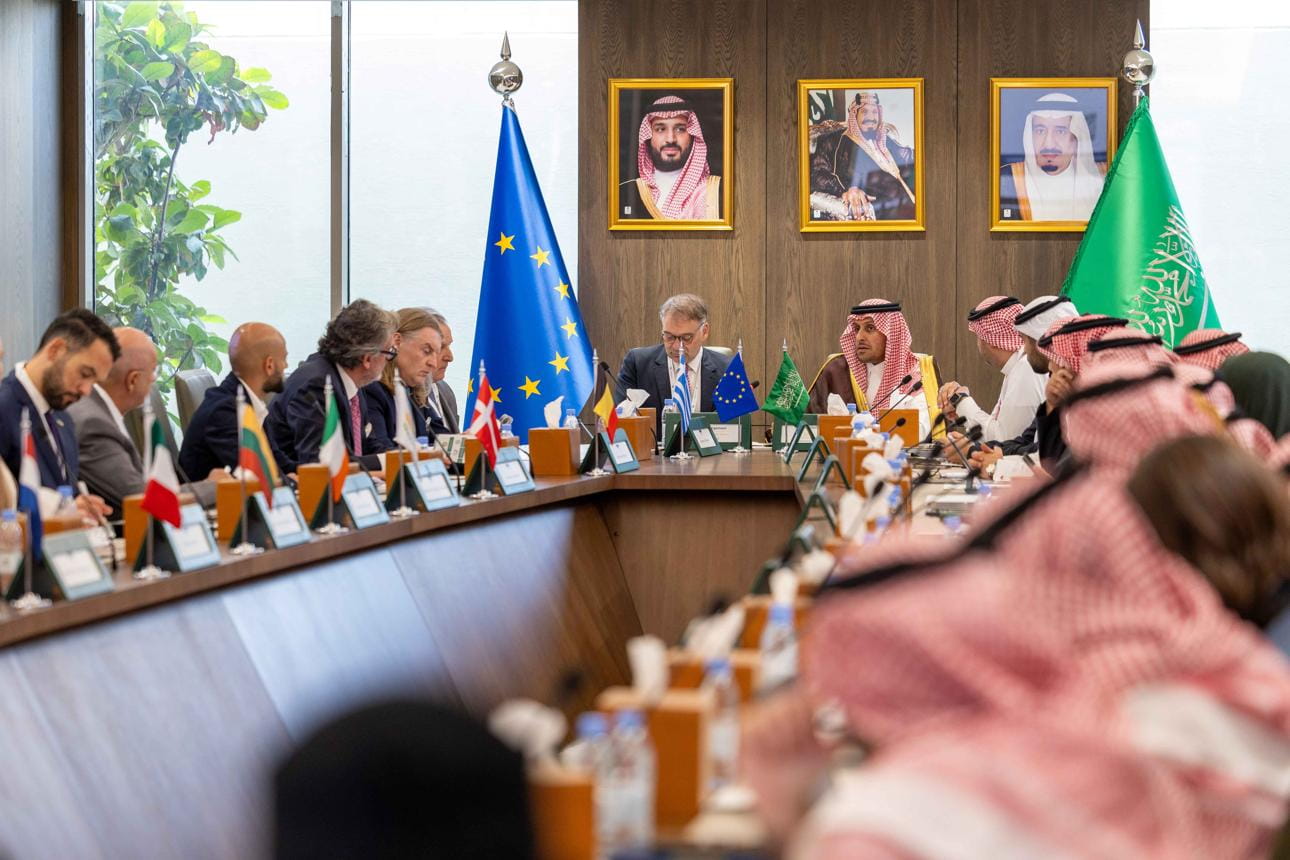
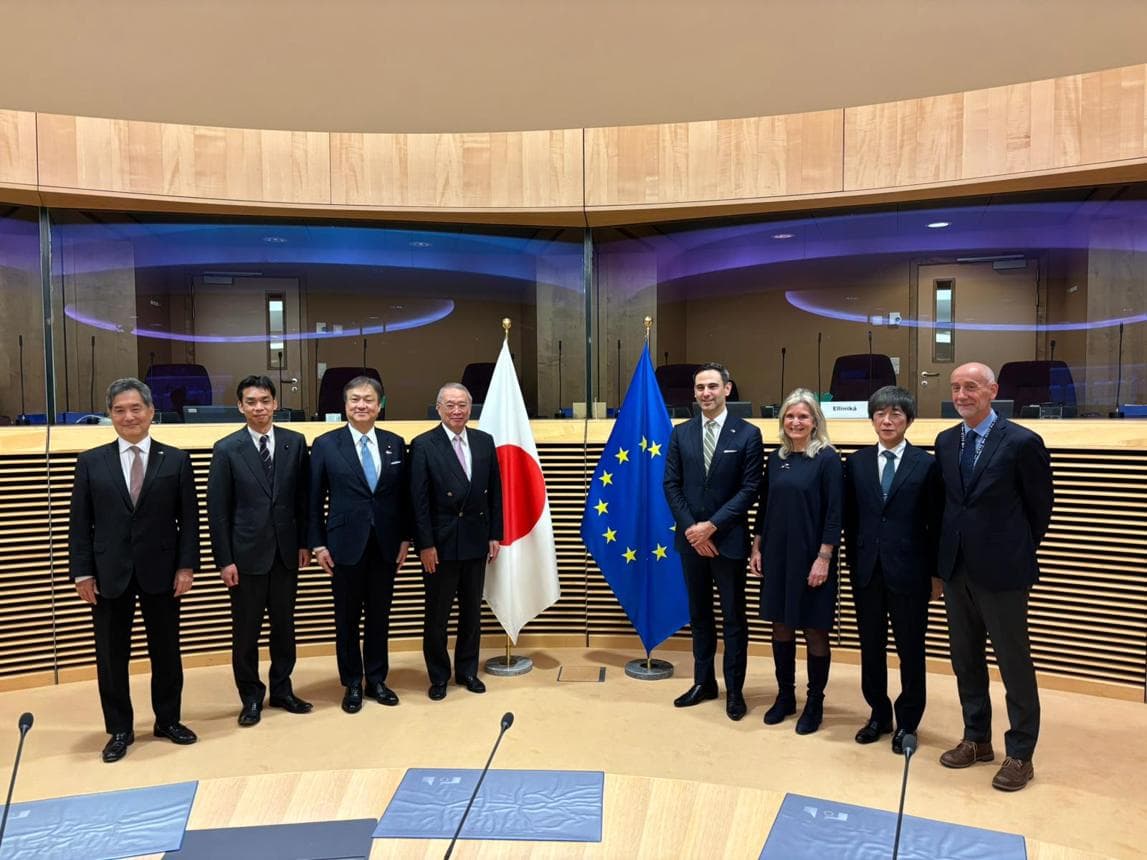
The Commission and a consortium of European institutes convened an EU-Taiwan semiconductor industry dialogue that gathered senior figures from companies, research centres and diplomatic missions on both sides. Sessions like these produce shared analysis and personal contacts. They do not produce investment protection, talent-mobility arrangements, or the regulatory predictability a company weighing a multibillion-euro fab actually needs.
That absence shows in the results. TSMC chose Dresden for its European joint venture, and the plant will make mature-node chips for automotive customers rather than the advanced logic that renders Taiwan strategically indispensable. Taiwanese firms keep their leading-edge capacity at home for reasons of talent, supply-chain density and national security, and no European subsidy has yet shifted that calculation.
European analysts have converged on a pragmatic agenda. They want better operating conditions in existing industrial clusters, more joint research, clearer investment frameworks, and easier movement of engineers between Taiwan and Europe. Every item on that list is administrative rather than diplomatic, which is exactly the point. Each can advance without anyone in Brussels or Beijing having to react.
Taipei reads the relationship in strategic terms regardless. Taiwanese officials have argued for years that semiconductor interdependence deters coercion by giving major economies a stake in the island’s stability. Europe deepens that interdependence while never describing it as security policy, and both sides find the ambiguity useful.
The risk sits in the ambiguity itself. Informal arrangements depend on the goodwill of individual officials and the attention of a particular Commission. A trade dispute with Beijing, a shift in one member state’s position, or a change of government in Taipei can slow the whole file without anyone formally deciding to. No institution exists to defend the relationship when it becomes inconvenient.
Officials who defend the current approach make a reasonable case. Formalising ties would hand Beijing a pretext, invite retaliation against European firms operating in China, and gain Taipei little that quiet cooperation does not already deliver. The counterargument is simpler. Arrangements that depend on nobody objecting tend to fail at the moment they matter most.
Europe has built its most consequential technological relationship in Asia on structures nobody would design on purpose. The chips arrive anyway. Whether the arrangement holds under pressure is a question the present framework was never built to answer.