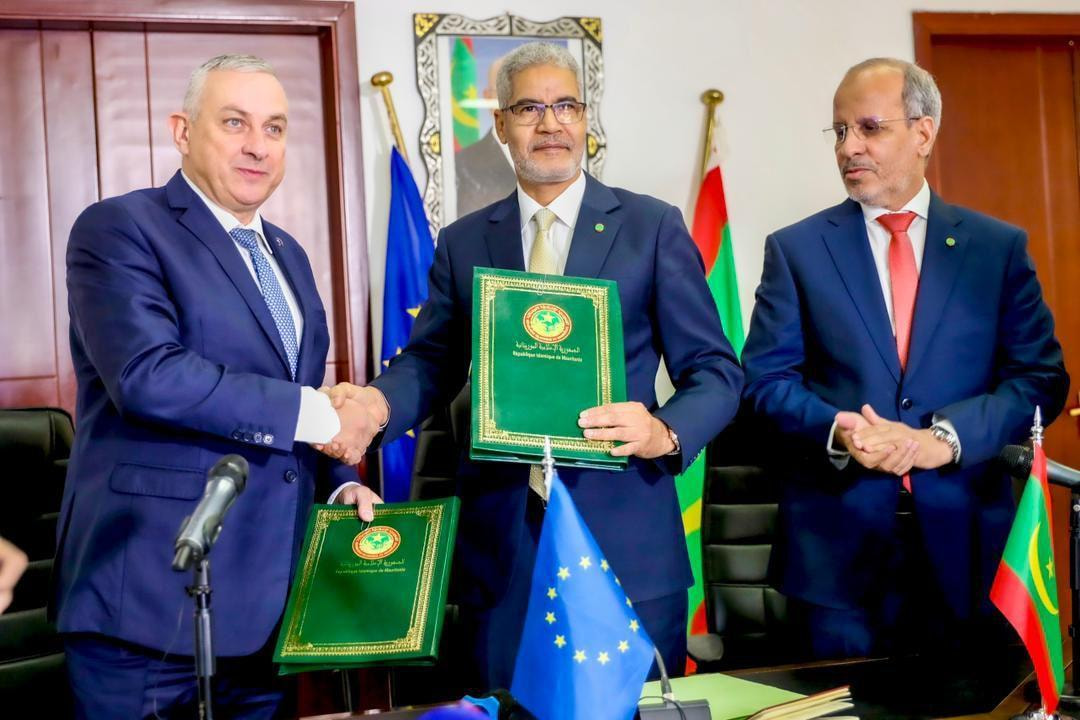
Nouakchott: Europe will place a new envoy in the Sahel on 1 September, and the region she inherits no longer waits for European decisions. The Council appointed Birgitte Nygaard Markussen to the post in late July, giving her twelve months to make a renewed approach mean something across Burkina Faso, Chad, Mali, Mauritania and Niger. She succeeds Joao Cravinho, who held the job from November 2024. The mandate runs to 31 August 2027, which is short for a region where European timelines have repeatedly outlived European influence.
The appointment matters less for the person than for what the post now implies. A Sahel envoy once coordinated missions, money and military training across governments that welcomed all three. Those governments have gone. Military authorities in Bamako, Ouagadougou and Niamey expelled European forces, left the regional bloc that Brussels used as its main interlocutor, and built security relationships that do not route through Europe. The envoy arrives with a portfolio and no obvious counterpart architecture.
Markussen brings the right file. She served as head of the EU Delegation to the African Union until 2023, and she has represented Denmark as ambassador to Burkina Faso, Niger, Chad and the Central African Republic. She currently works as Denmark’s special envoy for the Sahel and the Great Lakes. Few European diplomats know the capitals better. That familiarity will help her judge who still answers the phone.
The harder question sits above her. The Council decision instructs the envoy to support the High Representative in delivering the renewed approach agreed in 2025. That approach accepts a truth Brussels avoided for years. Sahel states now hold multiple partnerships at once, and they price European offers against alternatives rather than accepting them as the only serious option. Analysts at the EU Institute for Security Studies describe the result as a multi-aligned region, and the phrase carries a warning. Europe competes for attention in a market it once dominated.
Three tests will show whether the envoy changes anything. The first involves aid. Europe kept humanitarian funding flowing through the ruptures, and it will keep doing so, because hunger and displacement do not pause for diplomacy. Aid without political contact simply pays for consequences. The second involves migration. Mauritania and Chad sit at the centre of European interest precisely because both remain reachable, and both know it. Every conversation about routes gives them leverage they did not have five years ago.
The third test is the one Brussels controls least. Member states run their own Sahel policies, and several never fully aligned with the common line. France carries a history the region reads politically. Italy and Spain weigh migration above governance. Germany funds development and avoids security entanglement. An envoy can coordinate a position she cannot invent. Cravinho spent much of his mandate discovering exactly that.
A twelve-month mandate offers one advantage. It forces early choices. Markussen can spend the autumn rebuilding contact with authorities Europe once refused to engage, or she can concentrate on the coastal states that fear the violence spreading south. Doing both credibly in a year looks unlikely. The Sahel envoy will be judged on which she picks, and Brussels has not yet said which it prefers.
Renewal in European foreign policy usually means a new name and an old instrument. This time the instrument may matter more than the name. If the renewed approach produces nothing beyond a familiar portfolio in unfamiliar conditions, the next appointment will read like this one, and the region will have moved further again.