August 22, 2026
LATEST
What the EU Taiwan Framework Would Actually Have to DoKorea Signed a Digital Trade Deal That Nobody Has RatifiedCritical Minerals in Mongolia Still Have to Cross Two BordersCan an Indonesia Trade Deal Survive Two Years of RatifyingCross-Border Data Orders Went Live Before the Plumbing DidPlatform Work Rules Take Effect in December and Few Are ReadyCan Europe’s Firefighting Fleet Keep Pace With EU WildfiresThe AI Act Deadline Passed on 2 August and Nothing BitWhy Construction Keeps Shrinking While Confidence ImprovesAccession Talks Stall Again and September 1 Is the TestBrussels Applied a Trade Deal It Cannot Yet RatifyAfrica’s Power Market Now Needs Money More Than BlueprintsLong-Term Budget Talks Enter Autumn Without a Council LineForeign Subsidies Enforcement Now Turns on a Dublin RaidWho Writes Europe’s Telecom Rules Once Copper DisappearsDisability Cards Exist on Paper and Nowhere Else Until 2028Losing Visa-Free Travel Now Takes a Thirty Percent SwingTwenty Flagship Actions Will Test Whether the Culture Compass WorksEurope’s Quality Jobs Act Now Rests on What Unions Do by SeptemberDoes a Three Euro Parcel Duty Change Anything About Cheap ImportsWhat the EU Taiwan Framework Would Actually Have to DoKorea Signed a Digital Trade Deal That Nobody Has RatifiedCritical Minerals in Mongolia Still Have to Cross Two BordersCan an Indonesia Trade Deal Survive Two Years of RatifyingCross-Border Data Orders Went Live Before the Plumbing DidPlatform Work Rules Take Effect in December and Few Are ReadyCan Europe’s Firefighting Fleet Keep Pace With EU WildfiresThe AI Act Deadline Passed on 2 August and Nothing BitWhy Construction Keeps Shrinking While Confidence ImprovesAccession Talks Stall Again and September 1 Is the TestBrussels Applied a Trade Deal It Cannot Yet RatifyAfrica’s Power Market Now Needs Money More Than BlueprintsLong-Term Budget Talks Enter Autumn Without a Council LineForeign Subsidies Enforcement Now Turns on a Dublin RaidWho Writes Europe’s Telecom Rules Once Copper DisappearsDisability Cards Exist on Paper and Nowhere Else Until 2028Losing Visa-Free Travel Now Takes a Thirty Percent SwingTwenty Flagship Actions Will Test Whether the Culture Compass WorksEurope’s Quality Jobs Act Now Rests on What Unions Do by SeptemberDoes a Three Euro Parcel Duty Change Anything About Cheap Imports
August 22, 2026
LATEST
What the EU Taiwan Framework Would Actually Have to DoKorea Signed a Digital Trade Deal That Nobody Has RatifiedCritical Minerals in Mongolia Still Have to Cross Two BordersCan an Indonesia Trade Deal Survive Two Years of RatifyingCross-Border Data Orders Went Live Before the Plumbing DidPlatform Work Rules Take Effect in December and Few Are ReadyCan Europe’s Firefighting Fleet Keep Pace With EU WildfiresThe AI Act Deadline Passed on 2 August and Nothing BitWhy Construction Keeps Shrinking While Confidence ImprovesAccession Talks Stall Again and September 1 Is the TestBrussels Applied a Trade Deal It Cannot Yet RatifyAfrica’s Power Market Now Needs Money More Than BlueprintsLong-Term Budget Talks Enter Autumn Without a Council LineForeign Subsidies Enforcement Now Turns on a Dublin RaidWho Writes Europe’s Telecom Rules Once Copper DisappearsDisability Cards Exist on Paper and Nowhere Else Until 2028Losing Visa-Free Travel Now Takes a Thirty Percent SwingTwenty Flagship Actions Will Test Whether the Culture Compass WorksEurope’s Quality Jobs Act Now Rests on What Unions Do by SeptemberDoes a Three Euro Parcel Duty Change Anything About Cheap ImportsWhat the EU Taiwan Framework Would Actually Have to DoKorea Signed a Digital Trade Deal That Nobody Has RatifiedCritical Minerals in Mongolia Still Have to Cross Two BordersCan an Indonesia Trade Deal Survive Two Years of RatifyingCross-Border Data Orders Went Live Before the Plumbing DidPlatform Work Rules Take Effect in December and Few Are ReadyCan Europe’s Firefighting Fleet Keep Pace With EU WildfiresThe AI Act Deadline Passed on 2 August and Nothing BitWhy Construction Keeps Shrinking While Confidence ImprovesAccession Talks Stall Again and September 1 Is the TestBrussels Applied a Trade Deal It Cannot Yet RatifyAfrica’s Power Market Now Needs Money More Than BlueprintsLong-Term Budget Talks Enter Autumn Without a Council LineForeign Subsidies Enforcement Now Turns on a Dublin RaidWho Writes Europe’s Telecom Rules Once Copper DisappearsDisability Cards Exist on Paper and Nowhere Else Until 2028Losing Visa-Free Travel Now Takes a Thirty Percent SwingTwenty Flagship Actions Will Test Whether the Culture Compass WorksEurope’s Quality Jobs Act Now Rests on What Unions Do by SeptemberDoes a Three Euro Parcel Duty Change Anything About Cheap Imports

Can Malaysia Trade Talks Beat Their Own October 2027 Deadline

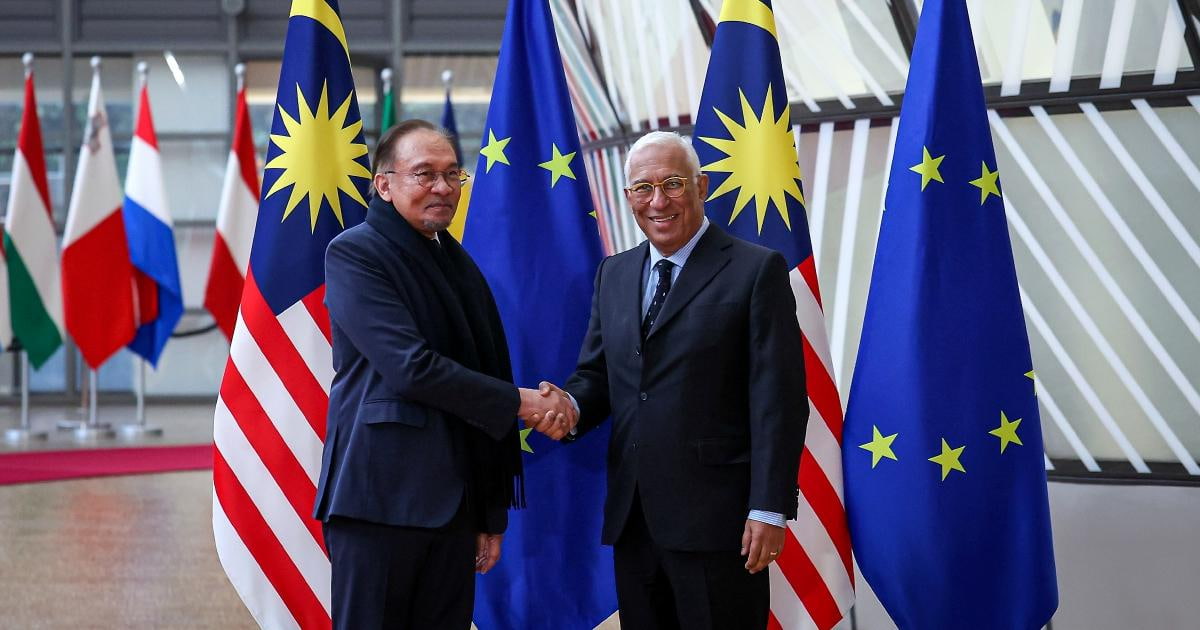
Kuala Lumpur: Negotiators here closed three chapters in five days in June, which sounds like momentum and is better understood as arithmetic. The Malaysia trade file with the European Union now has five completed chapters out of twenty-one, and the two sides have given themselves until October 2027 to finish the rest. That leaves roughly sixteen chapters and fourteen months, including the hard ones nobody has opened yet.

The June round in the Malaysian capital concluded customs and trade facilitation, trade remedies and good regulatory practices. Transparency closed in the second round, small and medium enterprises in the third. Each of those is genuine work, and each belongs to the category negotiators privately call the plumbing. They establish how the agreement will operate rather than what it will cost either side. The Commission’s own account of the relaunched talks makes the sequencing plain enough.

The scope tells a more interesting story than the pace. Talks that collapsed in 2012 covered sixteen areas. The revived negotiation covers twenty-one, with new chapters on digital trade, sustainable food systems, and trade and sustainable development. Those additions are not decorative. They are where the agreement will either succeed or quietly stall, because they carry the disputes that killed the first attempt and have grown sharper since.

Malaysian officials have set out the 2027 target publicly, and the date is doing political work. October 2027 marks fifty years of relations between the Union and the Association of Southeast Asian Nations, and a signature ceremony would give that anniversary something to point at. Anniversaries make useful deadlines precisely because they cannot be moved, but they also tempt both sides toward a thinner agreement that arrives on time.

Kuala Lumpur wants market access and, more urgently, predictability about how European environmental rules will treat its commodity exports. Brussels wants tariff elimination, procurement access and a services chapter that reaches financial and digital sectors where Malaysian regulation still favours domestic incumbents. Neither side has yet tested the other on sustainability language, which means the completed chapters reveal little about whether a deal exists.

There is a strategic reason the Union is pushing anyway. Malaysia sits on the Strait of Malacca, hosts substantial semiconductor assembly and testing capacity, and has spent two years attracting data centre investment. A trade agreement is one of the few instruments Brussels can offer that costs nothing upfront and signals commitment in a region where European presence is thin and American policy has become unpredictable. Southeast Asian governments notice which partners show up with paperwork rather than communiques.

The next round convenes in Brussels from 21 to 25 September. Watch which chapters open, not which close. If negotiators tackle sustainable food systems and digital trade this autumn, the October 2027 date is plausible. If they spend another week on institutional provisions and dispute settlement mechanics, the anniversary will arrive with a joint statement about progress, and both capitals will have learned to say it convincingly.