August 22, 2026
LATEST
What the EU Taiwan Framework Would Actually Have to DoKorea Signed a Digital Trade Deal That Nobody Has RatifiedCritical Minerals in Mongolia Still Have to Cross Two BordersCan an Indonesia Trade Deal Survive Two Years of RatifyingCross-Border Data Orders Went Live Before the Plumbing DidPlatform Work Rules Take Effect in December and Few Are ReadyCan Europe’s Firefighting Fleet Keep Pace With EU WildfiresThe AI Act Deadline Passed on 2 August and Nothing BitWhy Construction Keeps Shrinking While Confidence ImprovesAccession Talks Stall Again and September 1 Is the TestBrussels Applied a Trade Deal It Cannot Yet RatifyAfrica’s Power Market Now Needs Money More Than BlueprintsLong-Term Budget Talks Enter Autumn Without a Council LineForeign Subsidies Enforcement Now Turns on a Dublin RaidWho Writes Europe’s Telecom Rules Once Copper DisappearsDisability Cards Exist on Paper and Nowhere Else Until 2028Losing Visa-Free Travel Now Takes a Thirty Percent SwingTwenty Flagship Actions Will Test Whether the Culture Compass WorksEurope’s Quality Jobs Act Now Rests on What Unions Do by SeptemberDoes a Three Euro Parcel Duty Change Anything About Cheap ImportsWhat the EU Taiwan Framework Would Actually Have to DoKorea Signed a Digital Trade Deal That Nobody Has RatifiedCritical Minerals in Mongolia Still Have to Cross Two BordersCan an Indonesia Trade Deal Survive Two Years of RatifyingCross-Border Data Orders Went Live Before the Plumbing DidPlatform Work Rules Take Effect in December and Few Are ReadyCan Europe’s Firefighting Fleet Keep Pace With EU WildfiresThe AI Act Deadline Passed on 2 August and Nothing BitWhy Construction Keeps Shrinking While Confidence ImprovesAccession Talks Stall Again and September 1 Is the TestBrussels Applied a Trade Deal It Cannot Yet RatifyAfrica’s Power Market Now Needs Money More Than BlueprintsLong-Term Budget Talks Enter Autumn Without a Council LineForeign Subsidies Enforcement Now Turns on a Dublin RaidWho Writes Europe’s Telecom Rules Once Copper DisappearsDisability Cards Exist on Paper and Nowhere Else Until 2028Losing Visa-Free Travel Now Takes a Thirty Percent SwingTwenty Flagship Actions Will Test Whether the Culture Compass WorksEurope’s Quality Jobs Act Now Rests on What Unions Do by SeptemberDoes a Three Euro Parcel Duty Change Anything About Cheap Imports
August 22, 2026
LATEST
What the EU Taiwan Framework Would Actually Have to DoKorea Signed a Digital Trade Deal That Nobody Has RatifiedCritical Minerals in Mongolia Still Have to Cross Two BordersCan an Indonesia Trade Deal Survive Two Years of RatifyingCross-Border Data Orders Went Live Before the Plumbing DidPlatform Work Rules Take Effect in December and Few Are ReadyCan Europe’s Firefighting Fleet Keep Pace With EU WildfiresThe AI Act Deadline Passed on 2 August and Nothing BitWhy Construction Keeps Shrinking While Confidence ImprovesAccession Talks Stall Again and September 1 Is the TestBrussels Applied a Trade Deal It Cannot Yet RatifyAfrica’s Power Market Now Needs Money More Than BlueprintsLong-Term Budget Talks Enter Autumn Without a Council LineForeign Subsidies Enforcement Now Turns on a Dublin RaidWho Writes Europe’s Telecom Rules Once Copper DisappearsDisability Cards Exist on Paper and Nowhere Else Until 2028Losing Visa-Free Travel Now Takes a Thirty Percent SwingTwenty Flagship Actions Will Test Whether the Culture Compass WorksEurope’s Quality Jobs Act Now Rests on What Unions Do by SeptemberDoes a Three Euro Parcel Duty Change Anything About Cheap ImportsWhat the EU Taiwan Framework Would Actually Have to DoKorea Signed a Digital Trade Deal That Nobody Has RatifiedCritical Minerals in Mongolia Still Have to Cross Two BordersCan an Indonesia Trade Deal Survive Two Years of RatifyingCross-Border Data Orders Went Live Before the Plumbing DidPlatform Work Rules Take Effect in December and Few Are ReadyCan Europe’s Firefighting Fleet Keep Pace With EU WildfiresThe AI Act Deadline Passed on 2 August and Nothing BitWhy Construction Keeps Shrinking While Confidence ImprovesAccession Talks Stall Again and September 1 Is the TestBrussels Applied a Trade Deal It Cannot Yet RatifyAfrica’s Power Market Now Needs Money More Than BlueprintsLong-Term Budget Talks Enter Autumn Without a Council LineForeign Subsidies Enforcement Now Turns on a Dublin RaidWho Writes Europe’s Telecom Rules Once Copper DisappearsDisability Cards Exist on Paper and Nowhere Else Until 2028Losing Visa-Free Travel Now Takes a Thirty Percent SwingTwenty Flagship Actions Will Test Whether the Culture Compass WorksEurope’s Quality Jobs Act Now Rests on What Unions Do by SeptemberDoes a Three Euro Parcel Duty Change Anything About Cheap Imports

Five Joint Defence Projects Wait on a Council That Has Not Voted

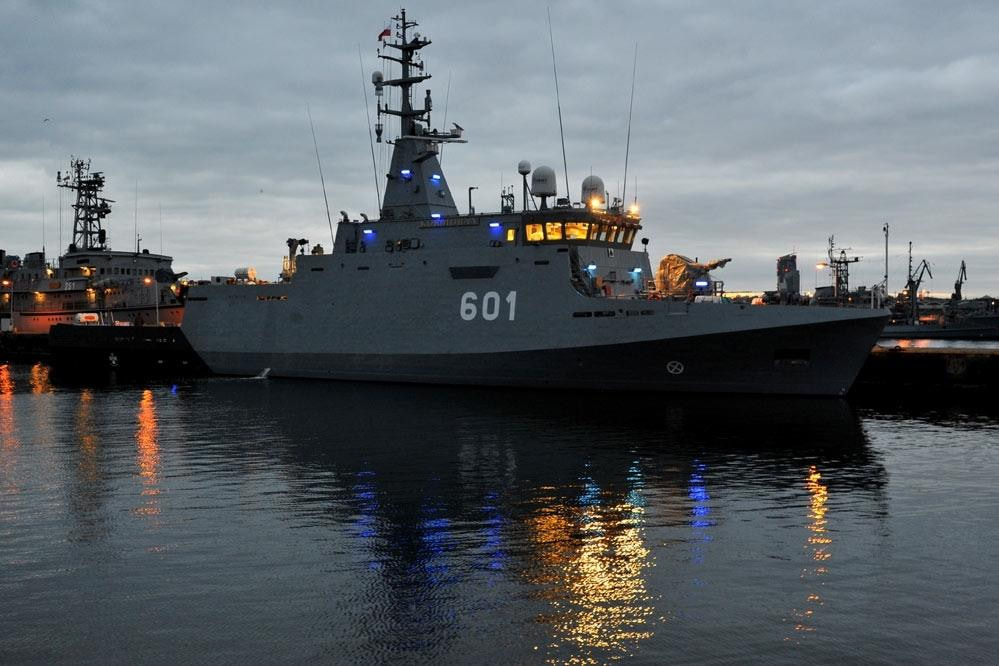
Gdynia: The European Commission proposed five joint defence projects on 3 July 2026, and six weeks later the Council of the European Union has still not adopted the implementing decision that would let a single euro reach them. Shipyard engineers on this stretch of the Polish Baltic coast, who expect work under the maritime and seabed strand, are watching a file that is finished in Brussels and unfinished in law.

The Commission calls them European Defence Projects of Common Interest, and it built them from proposals member states submitted after a call for expression of interest. Each one bundles a capability that no single capital can finance alone. Eighteen member states take part in each project on average, and Ukraine joins four of the five.

The five strands cover a narrow set of priorities:

  • drones and counter-drone systems
  • integrated maritime and seabed defence
  • space
  • federated integrated air and missile defence, including early warning
  • Eastern Flank Watch, covering security along the Union’s eastern border

Money follows the vote, not the announcement. The Commission set aside 325 million euros from the 1.5 billion euro European Defence Industry Programme to establish and deploy the projects, under a work programme it published on 30 March 2026. That allocation only becomes spendable once the Council adopts the list, fixes each project’s objectives, names the participating countries and states the investment it expects the project to generate.

Andrius Kubilius, the Commissioner for Defence and Space, put a far larger figure on the ambition when he presented the package.

These new, ambitious, and long-term defence projects will act as key initiatives to strengthen EU defence readiness and bolster our strategic autonomy. With a combined funding ambition of around 190 billion euros by 2036, they will play a key role in strengthening the Member States’ capabilities and keep Europe and Europeans safe.

That 190 billion euros does not sit in any budget line. It describes what the Commission hopes national procurement, industrial investment and future EU instruments will generate over a decade. The 325 million euros of seed money buys the first steps, and the Commission points to the proposed European Competitiveness Fund as the vehicle for what comes after 2027.

The gap between the two numbers explains why the Council stage matters more than it looks. Industry cannot price a contract against an ambition. It can price one against a Council implementing decision that names the participants and the scope, which is precisely what the Commission’s proposal for a Council implementing decision asks ministers to supply.

Henna Virkkunen, Executive Vice-President for Tech Sovereignty, Security and Democracy, framed the package as a test of pace rather than intent, arguing that Europe needs to move faster, produce more together and match its words with action.

The legal scaffolding arrived first. Member states adopted the European Defence Industry Programme Regulation on 16 December 2025, and that regulation created the category of common-interest projects as collaborative industrial ventures open to Norway and Ukraine as well as EU members. The Commission published the EDIP work programme three and a half months later, then spent the spring collecting candidate projects from capitals.

Ukraine’s participation in four of the five strands carries weight beyond the technical. It ties Kyiv’s industrial base into European drone, maritime, air defence and eastern border programmes years before any accession decision, and it gives Ukrainian manufacturers a route into procurement chains that previously ran only through bilateral deals.

The Commission says it will take part in the projects, fund them and monitor progress against agreed milestones. Everything in that sentence depends on ministers finishing a decision the Commission handed them in July, and the Council has not yet scheduled the vote.