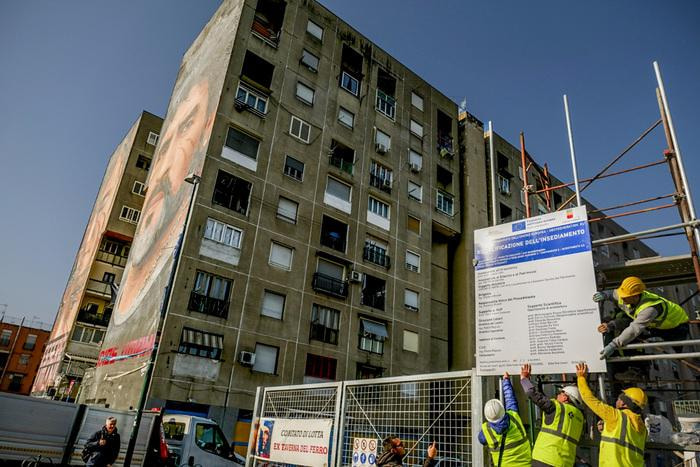
Naples: Italian regional officials spent this week signing off on construction certificates that only matter because the recovery fund stops counting on 31 August. That date closes the milestone clock on NextGenerationEU, the borrowing programme the Union built in 2021 to pull member states out of the pandemic slump, and it leaves capitals a fortnight to finish work they have chased for five years.
The rules are unforgiving. Member states must complete every milestone and target by the end of this month. They then have until 30 September to file their final payment requests, complete with management declarations, audit summaries and the supporting evidence the Commission needs to judge them. Brussels must pay out whatever it approves by 31 December. Anything unfinished after that falls away through automatic decommitment, and the money returns to the Union rather than sitting in a national account.
That matters because the sums still in play are enormous. The Commission has put the amount still available to member states at more than 335 billion euros, a figure that reflects both slow absorption and the loan tranches several governments requested late. Governments lost their last escape route on 31 May, when the window to renegotiate national recovery and resilience plans shut for good. Whatever a plan promises now, a country either delivers or forfeits.
The pressure falls unevenly. Italy, Spain, Greece and Romania drew the largest allocations, and the central European members that signed loan agreements late are the ones counting weeks. Slovenia’s government formally reviewed its closing process in May. Greece put a final hundred-day delivery plan before its cabinet. Romania faces the sharpest gap between what it committed to reform and what its ministries have actually pushed through parliament.
Officials in Brussels frame the deadline as proof that a time-limited instrument disciplines spending in a way the ordinary budget never has. Cohesion money rolls forward across programming periods; the recovery fund does not. Critics counter that the discipline arrived too late to change behaviour, and that a hard stop rewards governments that front-loaded easy infrastructure over those that attempted difficult reforms of courts, pensions or public procurement.
Both readings carry weight. A judicial reform that takes four years to legislate cannot be compressed into a summer, and the countries now scrambling are often the ones that took the harder assignments. Yet the alternative, an open-ended facility with rolling extensions, would have drained any incentive to move at all. The Commission has published technical guidance on closing the facility setting out how it will treat partially met targets, and it retains discretion to pay proportionally rather than refuse a tranche outright.
The facility itself was never small. The Union set its total value at 723.8 billion euros in grants and loans, and repayment of the borrowing behind it begins in 2028 and runs to 2058 under the NextGenerationEU schedule. Every euro decommitted this autumn is a euro the Union borrowed capacity for and then did not use.
The wider stake is political. Finance ministers are currently arguing over the 2028 to 2034 budget and over the new own resources needed to repay the very debt the recovery fund created. A messy closure, with billions decommitted and half-built projects stranded, would hand ammunition to every capital that resists common borrowing. A clean one strengthens the case that the Union can spend at scale and account for it.
What happens after August will be visible in the audit trail rather than the ribbon-cuttings. The European Court of Auditors and national audit bodies will spend 2027 testing whether milestones marked complete were genuinely met. Watch the final payment requests filed in September, and watch which governments quietly write off targets rather than defend them. Those write-offs will tell you more about the recovery fund’s real reach than any completion percentage published this month.