August 22, 2026
LATEST
Critical Minerals in Mongolia Still Have to Cross Two BordersCan an Indonesia Trade Deal Survive Two Years of RatifyingCross-Border Data Orders Went Live Before the Plumbing DidPlatform Work Rules Take Effect in December and Few Are ReadyCan Europe’s Firefighting Fleet Keep Pace With EU WildfiresThe AI Act Deadline Passed on 2 August and Nothing BitWhy Construction Keeps Shrinking While Confidence ImprovesAccession Talks Stall Again and September 1 Is the TestBrussels Applied a Trade Deal It Cannot Yet RatifyAfrica’s Power Market Now Needs Money More Than BlueprintsLong-Term Budget Talks Enter Autumn Without a Council LineForeign Subsidies Enforcement Now Turns on a Dublin RaidWho Writes Europe’s Telecom Rules Once Copper DisappearsDisability Cards Exist on Paper and Nowhere Else Until 2028Losing Visa-Free Travel Now Takes a Thirty Percent SwingTwenty Flagship Actions Will Test Whether the Culture Compass WorksEurope’s Quality Jobs Act Now Rests on What Unions Do by SeptemberDoes a Three Euro Parcel Duty Change Anything About Cheap ImportsEurope’s Satellite Constellation Grew by 66 Before a Single LaunchCan Europe’s Defence Industry Absorb 1.5 Billion by FebruaryCritical Minerals in Mongolia Still Have to Cross Two BordersCan an Indonesia Trade Deal Survive Two Years of RatifyingCross-Border Data Orders Went Live Before the Plumbing DidPlatform Work Rules Take Effect in December and Few Are ReadyCan Europe’s Firefighting Fleet Keep Pace With EU WildfiresThe AI Act Deadline Passed on 2 August and Nothing BitWhy Construction Keeps Shrinking While Confidence ImprovesAccession Talks Stall Again and September 1 Is the TestBrussels Applied a Trade Deal It Cannot Yet RatifyAfrica’s Power Market Now Needs Money More Than BlueprintsLong-Term Budget Talks Enter Autumn Without a Council LineForeign Subsidies Enforcement Now Turns on a Dublin RaidWho Writes Europe’s Telecom Rules Once Copper DisappearsDisability Cards Exist on Paper and Nowhere Else Until 2028Losing Visa-Free Travel Now Takes a Thirty Percent SwingTwenty Flagship Actions Will Test Whether the Culture Compass WorksEurope’s Quality Jobs Act Now Rests on What Unions Do by SeptemberDoes a Three Euro Parcel Duty Change Anything About Cheap ImportsEurope’s Satellite Constellation Grew by 66 Before a Single LaunchCan Europe’s Defence Industry Absorb 1.5 Billion by February
August 22, 2026
LATEST
Critical Minerals in Mongolia Still Have to Cross Two BordersCan an Indonesia Trade Deal Survive Two Years of RatifyingCross-Border Data Orders Went Live Before the Plumbing DidPlatform Work Rules Take Effect in December and Few Are ReadyCan Europe’s Firefighting Fleet Keep Pace With EU WildfiresThe AI Act Deadline Passed on 2 August and Nothing BitWhy Construction Keeps Shrinking While Confidence ImprovesAccession Talks Stall Again and September 1 Is the TestBrussels Applied a Trade Deal It Cannot Yet RatifyAfrica’s Power Market Now Needs Money More Than BlueprintsLong-Term Budget Talks Enter Autumn Without a Council LineForeign Subsidies Enforcement Now Turns on a Dublin RaidWho Writes Europe’s Telecom Rules Once Copper DisappearsDisability Cards Exist on Paper and Nowhere Else Until 2028Losing Visa-Free Travel Now Takes a Thirty Percent SwingTwenty Flagship Actions Will Test Whether the Culture Compass WorksEurope’s Quality Jobs Act Now Rests on What Unions Do by SeptemberDoes a Three Euro Parcel Duty Change Anything About Cheap ImportsEurope’s Satellite Constellation Grew by 66 Before a Single LaunchCan Europe’s Defence Industry Absorb 1.5 Billion by FebruaryCritical Minerals in Mongolia Still Have to Cross Two BordersCan an Indonesia Trade Deal Survive Two Years of RatifyingCross-Border Data Orders Went Live Before the Plumbing DidPlatform Work Rules Take Effect in December and Few Are ReadyCan Europe’s Firefighting Fleet Keep Pace With EU WildfiresThe AI Act Deadline Passed on 2 August and Nothing BitWhy Construction Keeps Shrinking While Confidence ImprovesAccession Talks Stall Again and September 1 Is the TestBrussels Applied a Trade Deal It Cannot Yet RatifyAfrica’s Power Market Now Needs Money More Than BlueprintsLong-Term Budget Talks Enter Autumn Without a Council LineForeign Subsidies Enforcement Now Turns on a Dublin RaidWho Writes Europe’s Telecom Rules Once Copper DisappearsDisability Cards Exist on Paper and Nowhere Else Until 2028Losing Visa-Free Travel Now Takes a Thirty Percent SwingTwenty Flagship Actions Will Test Whether the Culture Compass WorksEurope’s Quality Jobs Act Now Rests on What Unions Do by SeptemberDoes a Three Euro Parcel Duty Change Anything About Cheap ImportsEurope’s Satellite Constellation Grew by 66 Before a Single LaunchCan Europe’s Defence Industry Absorb 1.5 Billion by February

Why the Pacific EPA Still Has Four Members and Nine Observers

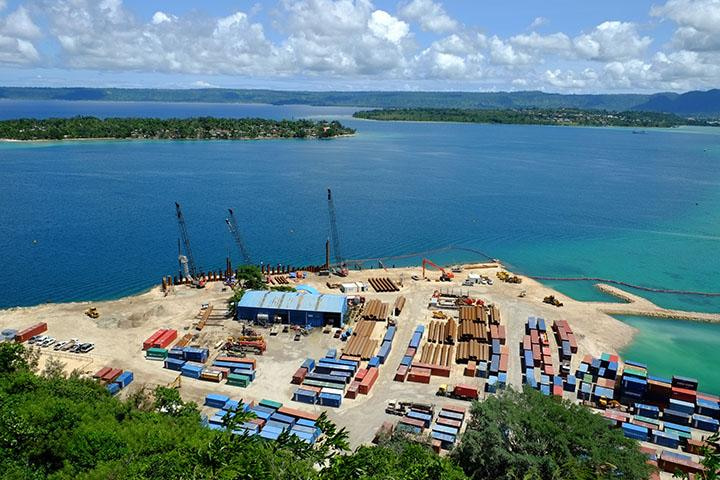
Port Vila: Vanuatu finished negotiating its entry into Europe’s Pacific trade arrangement in August 2024, when the Commission examined its market access offer and found it acceptable. Two years later the country still appears on the observer list. That gap is the most honest description available of how the Pacific EPA works in practice.

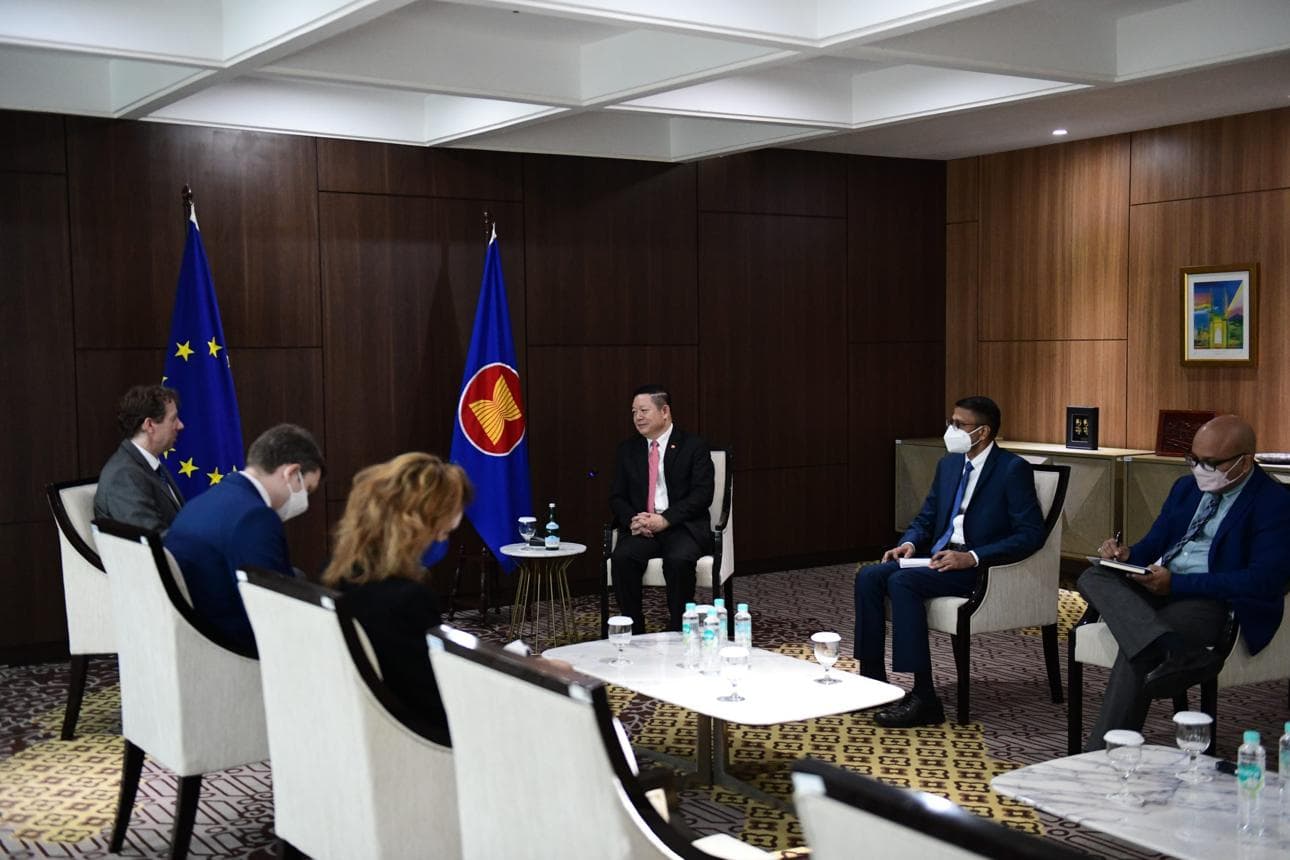
The agreement has four parties: Fiji, Papua New Guinea, Samoa and the Solomon Islands. It has nine observers, which is to say nine states that want in and have not completed the process. Cook Islands, the Federated States of Micronesia, Kiribati, the Marshall Islands, Niue, Timor-Leste, Tonga, Tuvalu and Vanuatu all sat in the room when the eleventh Trade Committee met in Suva. More governments are watching the deal than are inside it.

What they want is specific, and it is not the tariff line. Duty-free access matters less to a Pacific economy than the rule of origin attached to processed fish. The global sourcing provision lets a cannery in Papua New Guinea use tuna caught by vessels of any flag and still export the product into Europe at preferential rates. Strip that clause out and the Lae processing sector loses its reason to exist. Every observer government understands this, which is why accession queues form.

The delay is administrative rather than political. A market access offer has to be drafted, defended domestically and then implemented by a customs service that in several of these states employs fewer officials than a mid-sized European port authority. Parliaments must ratify. Tariff schedules must be coded into systems that were not built for them. Europe supplies technical assistance for this work, but it cannot supply staff, and the bottleneck is staff.

Brussels pairs the trade track with an ocean programme, and the numbers there invite a comparison worth making. The second phase of the Pacific-European Union Marine Partnership, renewed with the Pacific Community, the Forum Fisheries Agency and the University of the South Pacific, carries a budget of 20 million euros across the region and Timor-Leste through 2030. That is a serious sum for research, training and fisheries governance. Set against the annual landed value of the Western and Central Pacific tuna fishery, it is a rounding error. The programme is designed to improve how Pacific states manage a resource, not to compensate them for it.

This is where Europe’s Pacific offer differs from the alternatives. Beijing arrives with ports, roads and stadiums, financed and built. Europe arrives with market preferences, technical assistance and a governance framework, and asks the recipient to supply the administrative capacity that turns those things into revenue. The European package is arguably better value over twenty years. It is also much harder to use, and it produces nothing a minister can open with scissors.

The counterpoint from officials in Suva and Brussels is that preferences compound while infrastructure depreciates, and that a cannery employing thousands outlasts a stadium. That case holds, but only for states that clear the accession hurdle. For the nine still watching, the preference is theoretical.

The measure to track is not the number of summits or the size of the ocean budget. It is whether the observer list shrinks. If Vanuatu, Tonga and Timor-Leste are still observers when the twelfth Trade Committee meets, the constraint is not Pacific willingness. It is a process Europe designed and has not adapted to the countries it was meant to serve.