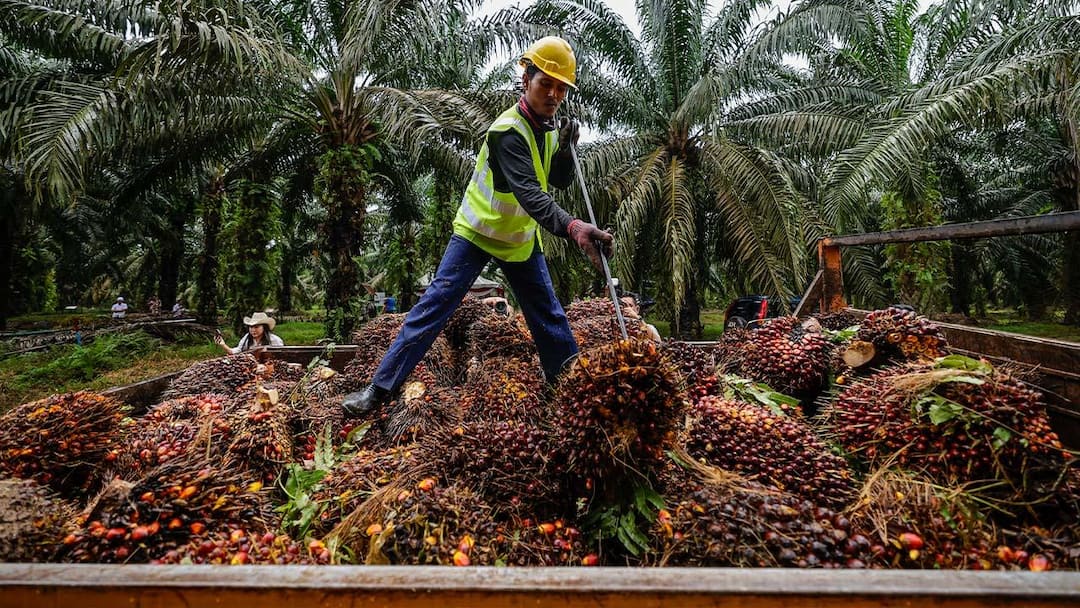
Kuching: Sarawak’s smallholders farm plots too small to interest a European auditor and too numerous for Malaysia’s trade negotiators to ignore.
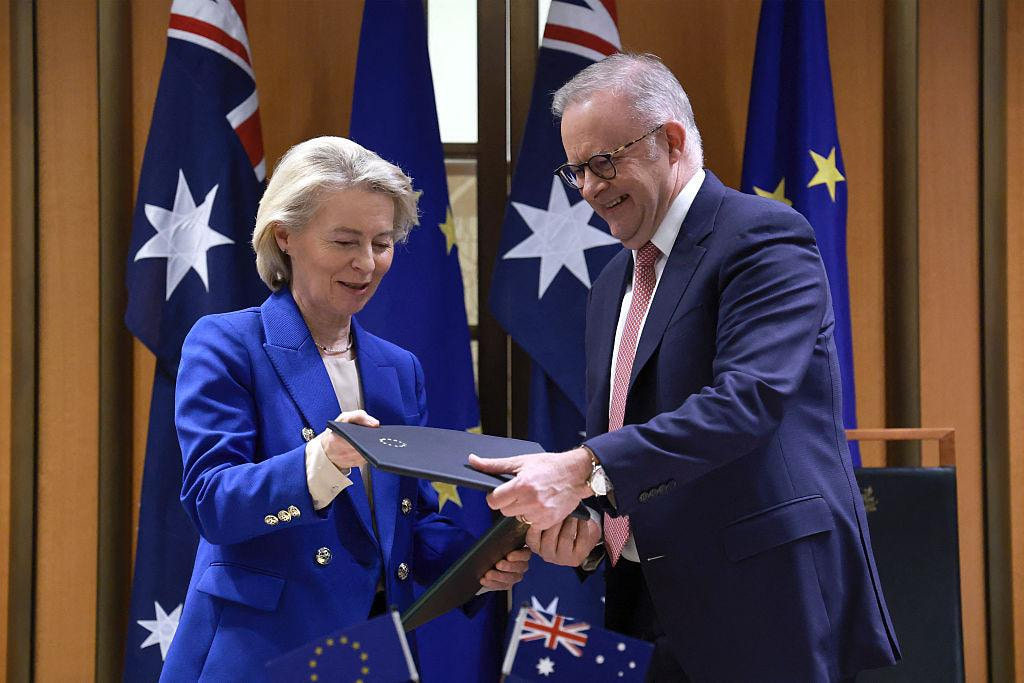
Negotiators from Malaysia and the European Union held their fourth round in Kuala Lumpur between 8 and 12 June 2026 and closed three chapters, on customs and trade facilitation, trade remedies and good regulatory practices. Five chapters have now been concluded overall, and both sides talk about signature in 2027. The Commission’s own file lists the resumed negotiation as one of three Southeast Asian tracks running in parallel with Thailand and the Philippines.
The chapters closed so far are the ones that close everywhere. Customs procedures and regulatory practice rarely divide parties who both want a deal. The chapters that decide whether this agreement exists concern palm oil, and they sit outside the trade text entirely.
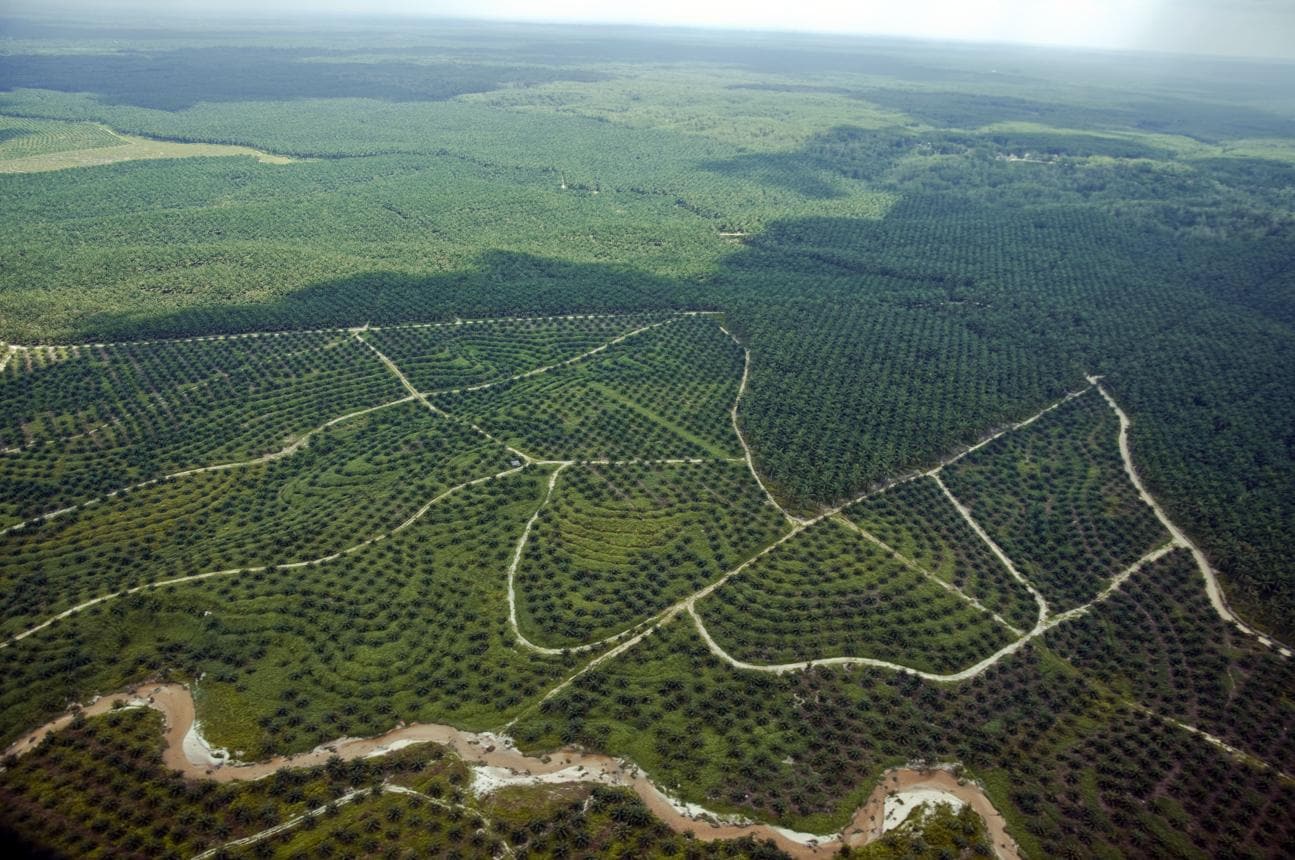
Europe’s deforestation regulation requires operators to prove that commodities entering the market did not come from land cleared after December 2020, and to supply geolocation data for every plot. Malaysia produces roughly a fifth of global palm oil, and around 27 percent of its planted area belongs to independent smallholders working a few hectares each. Those growers sell into mills through collectors, and the chain of custody dissolves at exactly the point the regulation demands precision.
Kuala Lumpur has responded with real infrastructure rather than complaint. The national sustainability certification scheme is mandatory, satellite mapping of smallholder plots has advanced faster than in most producing countries, and Malaysian officials argue with some justification that their traceability now exceeds what several European supply chains could demonstrate for their own timber. They also point out that a rule written to slow deforestation penalises a country whose forest loss rate has fallen sharply since 2016.
European negotiators cannot trade that regulation away, and pretending otherwise would mislead everyone. The deforestation rules apply to all imports and cannot be softened inside a bilateral chapter. What the agreement can do is fund and recognise the compliance systems Malaysia builds, and give smallholders a reason to register rather than sell into markets that ask no questions. That is the practical bargain on offer.
The environmental risk of failure runs the other way from the intuition. If European buyers exit Malaysian palm oil because verification costs too much, the crop does not disappear. It moves to buyers in South Asia and China who apply no standard at all, and the leverage Europe spent a decade accumulating evaporates. A regulation that pushes producers out of the regulated market protects nothing.
Signature in 2027 remains plausible, and the chapters still open are not the reason to doubt it. Whether smallholders in Sarawak and Sabah can document their plots by the time the agreement enters force is the question that will determine what the deal is worth.