Addis Ababa: African Union technical staff spent three days in June validating a package of studies, frameworks and operational tools for a continental electricity market. The documents are good. The question nobody in the room could answer is who pays for the wires.
That workshop, held from 3 to 5 June 2026 at African Union headquarters, marked a real step for the African Single Electricity Market and the Continental Power System Master Plan. Both are Agenda 2063 flagships, both carry European money, and both have now crossed from design into what the European External Action Service calls delivery. The EU funds the work through the Continental Energy Programme in Africa, launched in 2025 on the back of two decades of energy cooperation between the two unions.
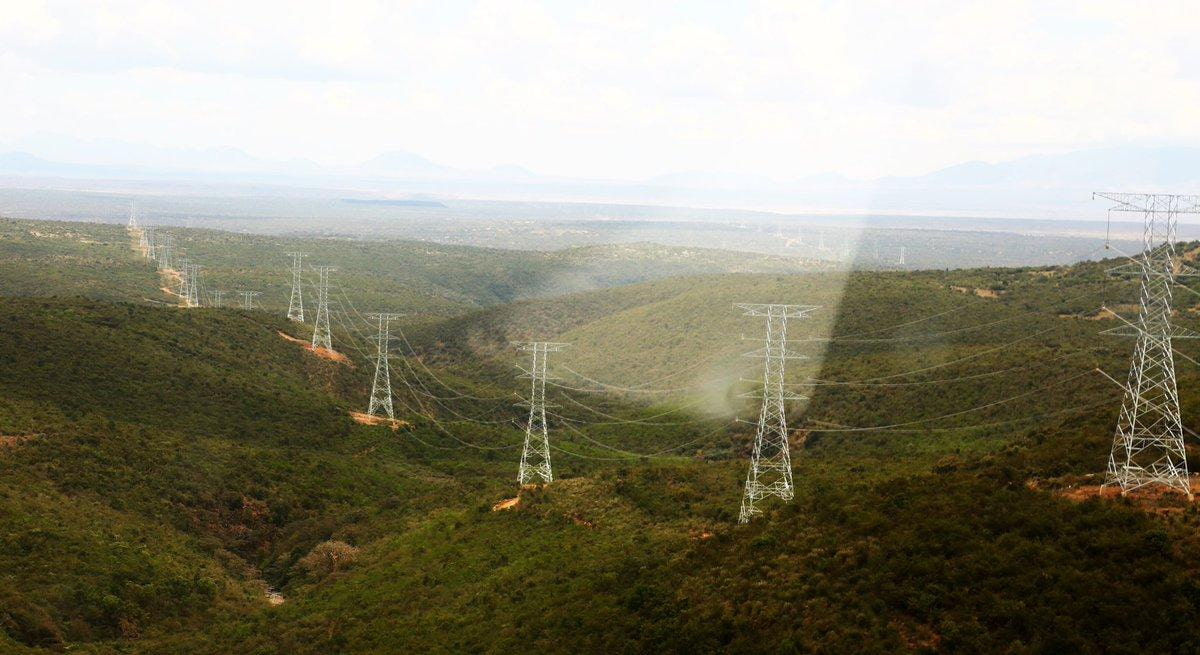
The ambition deserves respect. AfSEM aims to become one of the world’s largest electricity markets by 2040 by knitting together national grids and the regional power pools that currently trade in small, awkward volumes. The master plan supplies the engineering blueprint, mapping which transmission corridors must exist for a megawatt generated in Ethiopia to reach a factory in Kenya or a household in Tanzania. Africa’s problem has never been generation potential. It has been the absence of infrastructure to move power across borders and the absence of market rules that make anyone want to.
Europe has picked a genuinely useful lane here. Technical assistance for market design costs little and shapes a great deal, because whoever writes the trading rules, the grid codes and the settlement arrangements sets the terms on which capital enters for the next thirty years. European regulators know this business intimately, having spent twenty years building their own internal electricity market and learning what breaks. Exporting that expertise is cheaper and more durable than exporting concrete.
The gap sits between the blueprint and the balance sheet. The Global Gateway package for Africa promises to mobilise up to 150 billion euros between 2021 and 2027, and that headline has attracted more scepticism than any other number in European development policy, because it counts guarantees, blends and private capital that may or may not materialise. Transmission lines are exactly the asset class that struggles to attract private money. Returns are regulated, payback runs decades, offtake depends on utilities with weak balance sheets, and the political risk of a cross-border interconnector exceeds anything a domestic plant carries.
Meanwhile the framework’s timeline is running into Europe’s budget cycle. The Global Gateway commitment ends in 2027, the same year the current multiannual financial framework expires, and the negotiation over what replaces it has barely started. African planners building thirty-year infrastructure are being asked to trust a European funding instrument with an eighteen-month horizon and no confirmed successor.
There is also a competitive dimension nobody states plainly. China financed a great deal of African generation capacity and rather less of the interconnection between countries, which suited a lender doing bilateral deals with individual governments. A continental market is structurally a different proposition. It requires multilateral rules, shared regulators and pooled sovereignty, all of which Europe understands and China does not particularly want. If Europe wins this argument, it wins something more lasting than a project pipeline.
Winning requires money that matches the documents. The adopted texts now sit with regional power pools and national ministries, where implementation either happens or quietly does not. African energy ministers have seen validated frameworks before. What they have rarely seen is the transmission line that follows.