August 9, 2026
LATEST
New EU Gas Market Rules Take Effect With Consumer SafeguardsDeforestation Regulation Holds Its December Deadline Despite CutsDigital Omnibus Delays Europe’s High-Risk AI Deadline to 2027Europe’s Schools Confront a Widening Basic Skills GapRule of Law Report Finds Progress but Trust Still LagsIRIS2 Gains 66 Satellites as Brussels Signs the Rollout DealNature Restoration Plans Come Due as Member States Race a DeadlineECB Rates Hold at 2.25 Percent as Frankfurt Waits on the DataEU Budget Talks Turn to Cohesion as Ireland Takes OverWildfire Response Stretches Europe’s Emergency Fleet ThinCan Europe’s Quantum Plan Match Its Big Ambitions?Armenia Edges West as Moscow’s Grip Slips AwayEurope Inherits the World’s Aid Bill It Cannot Fully PayAir Passenger Rights Get Their First Overhaul in Two DecadesErasmus Opens a 5 Billion Euro Round for Skills and MobilityCeuta Crisis Pushes the EU Toward Faster Migrant ReturnsBulky Parcels Face a Packaging Crackdown From August 12Can Europe Build Its Drone Wall Before 2030 Arrives?Indonesia’s Trade Deal With Europe Nears Its Final SignatureEurope Leans on Beijing to Keep Climate Talks Alive Before AntalyaNew EU Gas Market Rules Take Effect With Consumer SafeguardsDeforestation Regulation Holds Its December Deadline Despite CutsDigital Omnibus Delays Europe’s High-Risk AI Deadline to 2027Europe’s Schools Confront a Widening Basic Skills GapRule of Law Report Finds Progress but Trust Still LagsIRIS2 Gains 66 Satellites as Brussels Signs the Rollout DealNature Restoration Plans Come Due as Member States Race a DeadlineECB Rates Hold at 2.25 Percent as Frankfurt Waits on the DataEU Budget Talks Turn to Cohesion as Ireland Takes OverWildfire Response Stretches Europe’s Emergency Fleet ThinCan Europe’s Quantum Plan Match Its Big Ambitions?Armenia Edges West as Moscow’s Grip Slips AwayEurope Inherits the World’s Aid Bill It Cannot Fully PayAir Passenger Rights Get Their First Overhaul in Two DecadesErasmus Opens a 5 Billion Euro Round for Skills and MobilityCeuta Crisis Pushes the EU Toward Faster Migrant ReturnsBulky Parcels Face a Packaging Crackdown From August 12Can Europe Build Its Drone Wall Before 2030 Arrives?Indonesia’s Trade Deal With Europe Nears Its Final SignatureEurope Leans on Beijing to Keep Climate Talks Alive Before Antalya
August 9, 2026
LATEST
New EU Gas Market Rules Take Effect With Consumer SafeguardsDeforestation Regulation Holds Its December Deadline Despite CutsDigital Omnibus Delays Europe’s High-Risk AI Deadline to 2027Europe’s Schools Confront a Widening Basic Skills GapRule of Law Report Finds Progress but Trust Still LagsIRIS2 Gains 66 Satellites as Brussels Signs the Rollout DealNature Restoration Plans Come Due as Member States Race a DeadlineECB Rates Hold at 2.25 Percent as Frankfurt Waits on the DataEU Budget Talks Turn to Cohesion as Ireland Takes OverWildfire Response Stretches Europe’s Emergency Fleet ThinCan Europe’s Quantum Plan Match Its Big Ambitions?Armenia Edges West as Moscow’s Grip Slips AwayEurope Inherits the World’s Aid Bill It Cannot Fully PayAir Passenger Rights Get Their First Overhaul in Two DecadesErasmus Opens a 5 Billion Euro Round for Skills and MobilityCeuta Crisis Pushes the EU Toward Faster Migrant ReturnsBulky Parcels Face a Packaging Crackdown From August 12Can Europe Build Its Drone Wall Before 2030 Arrives?Indonesia’s Trade Deal With Europe Nears Its Final SignatureEurope Leans on Beijing to Keep Climate Talks Alive Before AntalyaNew EU Gas Market Rules Take Effect With Consumer SafeguardsDeforestation Regulation Holds Its December Deadline Despite CutsDigital Omnibus Delays Europe’s High-Risk AI Deadline to 2027Europe’s Schools Confront a Widening Basic Skills GapRule of Law Report Finds Progress but Trust Still LagsIRIS2 Gains 66 Satellites as Brussels Signs the Rollout DealNature Restoration Plans Come Due as Member States Race a DeadlineECB Rates Hold at 2.25 Percent as Frankfurt Waits on the DataEU Budget Talks Turn to Cohesion as Ireland Takes OverWildfire Response Stretches Europe’s Emergency Fleet ThinCan Europe’s Quantum Plan Match Its Big Ambitions?Armenia Edges West as Moscow’s Grip Slips AwayEurope Inherits the World’s Aid Bill It Cannot Fully PayAir Passenger Rights Get Their First Overhaul in Two DecadesErasmus Opens a 5 Billion Euro Round for Skills and MobilityCeuta Crisis Pushes the EU Toward Faster Migrant ReturnsBulky Parcels Face a Packaging Crackdown From August 12Can Europe Build Its Drone Wall Before 2030 Arrives?Indonesia’s Trade Deal With Europe Nears Its Final SignatureEurope Leans on Beijing to Keep Climate Talks Alive Before Antalya

Europe’s Critical Raw Materials Push Enters a Decisive Phase

The European Union’s effort to engineer a more autonomous supply of critical raw materials has moved from a phase of strategic framing into one of operational delivery, with the second selection round under the Critical Raw Materials Act closing in early 2026. More than 160 applications were submitted for strategic project status, building on the 170 applications received in the inaugural round of 2024, which ultimately produced 47 designations within the EU and 13 in third countries and overseas territories. The volume of applicant interest signals that the regulation, now nearly two years in force, has begun to shape industrial behaviour in a tangible way.

The Act sets four targets to be reached by 2030 for each of the seventeen strategic raw materials it identifies. At least ten percent of annual consumption must be extracted on Union territory, forty percent processed within the bloc, twenty-five percent supplied through recycling, and no more than sixty-five percent of demand at any stage of the value chain may originate from a single third country. These benchmarks are intentionally ambitious because they reflect dependencies that, until recently, sat largely outside the EU’s strategic conversation. China supplies most of the bloc’s bismuth, gallium, germanium, magnesium, natural graphite, rare earths, tungsten and vanadium, with concentration ratios in several materials approaching ninety-five percent.

The Commission projects that the strategic projects designated in the first wave should reduce some of the worst dependencies dramatically. Reliance on a single supplier of rare earth extraction is projected to fall from ninety-five percent to forty-two percent by 2030 if implementation holds. The forecast trajectory for gallium, used in semiconductor manufacturing and defence electronics, shows a drop from seventy-one percent to seventeen percent. The Commission considers germanium dependency a candidate for full supply independence by the end of the decade.

These figures rest on assumptions that the European Court of Auditors challenged in a special report published in April 2026. The Court found that the methodology behind both the critical and strategic raw materials lists contains blind spots in trade data and demand projections, particularly for technologies linked to the renewable energy transition. Auditors noted that domestic targets are non-binding and that the funding architecture for raw materials remains scattered across programmes administered by different Commission directorates-general, complicating accountability for results.

The Commission’s response has been to layer additional instruments onto the Act. The RESourceEU action plan, adopted in December 2025, introduces six pillars including a European Critical Raw Materials Centre, the promotion of priority projects, recycling and innovation measures, and partnership with third countries. A central feature is a stockpiling pilot launched in early 2026, intended to be folded into the Centre once that body becomes operational. The Internal Market Emergency and Resilience Act, due to enter force in May 2026, will provide the legal toolbox for crisis response, including joint purchasing and priority-rated procurement requests.

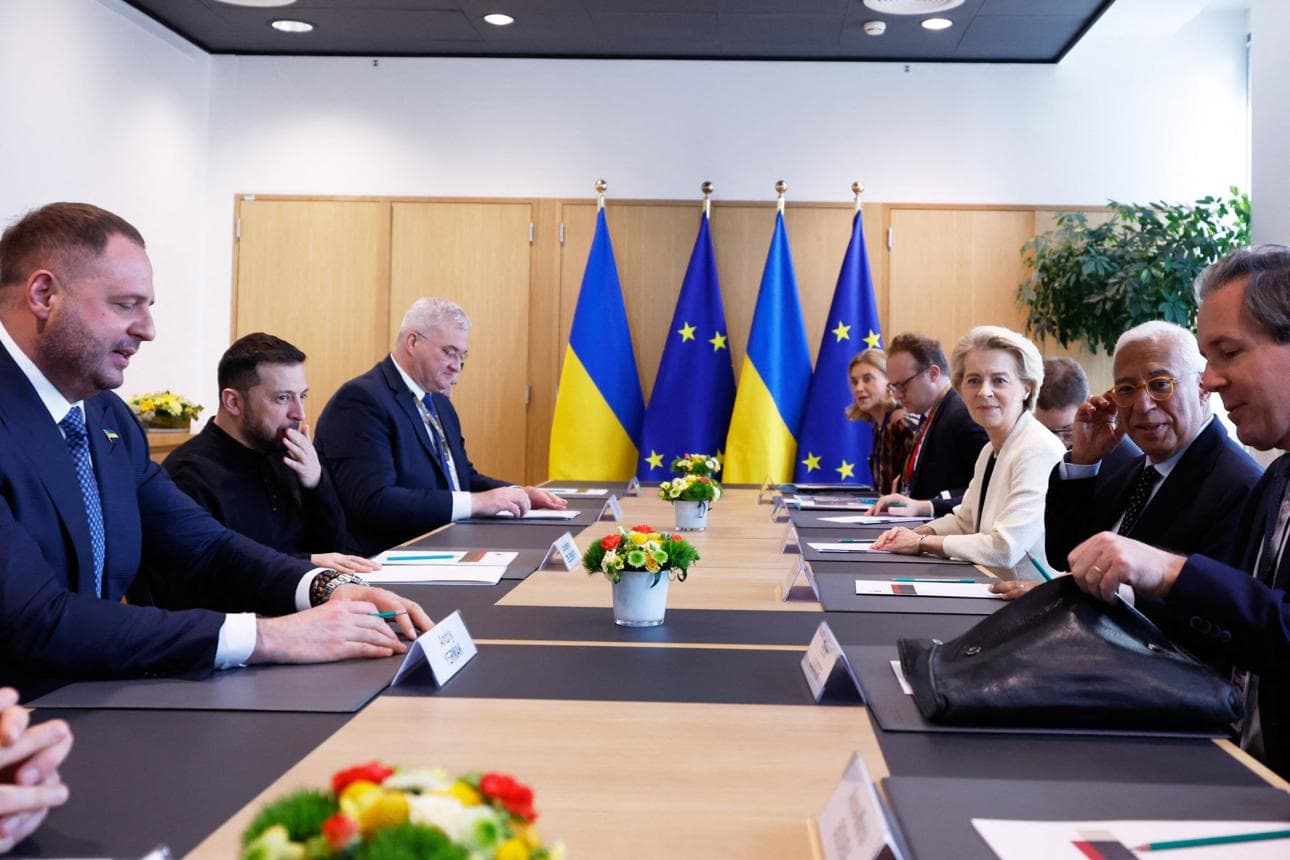
The international dimension is now equally pronounced. Fifteen strategic partnerships on raw materials have been signed with resource-rich countries to date, complementing the Global Gateway investment platform. Ukraine has emerged as an early strategic partner, with the Balakhivka graphite project designated under the first round. Cooperation with South Africa was reinforced through a trade and clean technology agreement that includes raw materials provisions. Horizon Europe will direct approximately five hundred and ninety-three million euros in the 2026-2027 work programme toward circular economy applications for critical materials, with Chinese participation restricted under the new programme rules.

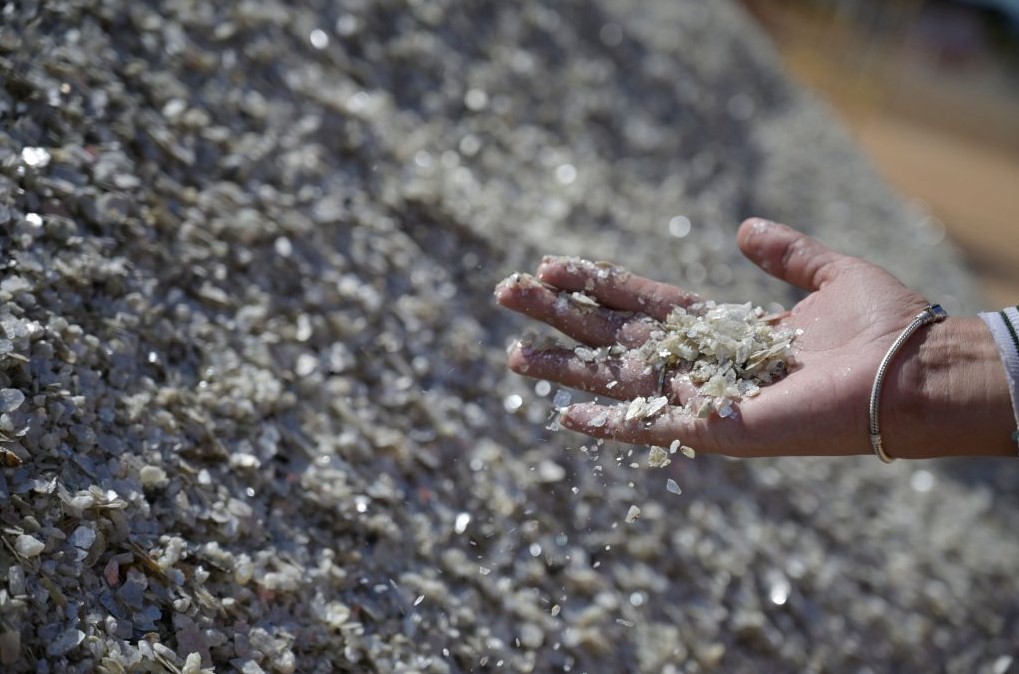
The implementation challenge is no longer primarily legal but operational. Strategic project status accelerates permitting to twenty-seven months for extraction and fifteen months for processing and recycling, yet the willingness of national authorities, financial markets and local communities to deliver at that pace remains untested. The first measurable results of the Act will arrive not in legislation but in tonnes of lithium hydroxide refined in Europe, tonnes of magnets manufactured from recovered feedstock, and shipments of rare earth concentrates moving from new mines to European processors. The political infrastructure is in place; the metallurgical infrastructure is the next test.