November 6, 2026
LATEST
EU-Australia Free Trade Agreement Awaits Its Ratification TestTrans-Caspian Corridor Needs More Than a €2 Billion PlatformDigital Omnibus AI Delay Wins Committee Backing 93 To 4MEPs Back Digital Euro Mandate With 43 Votes To 14Critical Medicines Act Nears Final Vote After May DealSoil Monitoring Directive Starts Europe’s Countdown To Healthy SoilsAnti-SLAPP Directive Transposition Lapses As 14 Capitals Face NoticesAir Passenger Rights Reform Enters Force With Airlines UnconvincedCritical Medicines Act Needs A Final Deal On Medicine SupplyCustoms Duty On Small Parcels Starts Its Four-Month TestBaltic Fishing Quotas 2027 Lift Sprat And Herring CatchesOrganic Farmers Await Plenary Vote On Revised EU Organic RulesPupils Could Earn An AI Literacy Certificate From 2027 OnwardPhilippines Trade Deal Would Open 94% Of Tariff Lines To EuropeCanada EU Alliance Pact Leaves Associate Status Open Until 2027Japan Defence Partnership Awaits Its Information Security PactKenya Global Gateway Package Puts €70 Million Into Roads And DataThailand Trade Talks With Europe Near Their 2026 DeadlineMoldova Air Defence Gets €120 Million Boost From EU Peace FacilityDeposit Insurance Scheme Withdrawn After A Decade Of TalksEU-Australia Free Trade Agreement Awaits Its Ratification TestTrans-Caspian Corridor Needs More Than a €2 Billion PlatformDigital Omnibus AI Delay Wins Committee Backing 93 To 4MEPs Back Digital Euro Mandate With 43 Votes To 14Critical Medicines Act Nears Final Vote After May DealSoil Monitoring Directive Starts Europe’s Countdown To Healthy SoilsAnti-SLAPP Directive Transposition Lapses As 14 Capitals Face NoticesAir Passenger Rights Reform Enters Force With Airlines UnconvincedCritical Medicines Act Needs A Final Deal On Medicine SupplyCustoms Duty On Small Parcels Starts Its Four-Month TestBaltic Fishing Quotas 2027 Lift Sprat And Herring CatchesOrganic Farmers Await Plenary Vote On Revised EU Organic RulesPupils Could Earn An AI Literacy Certificate From 2027 OnwardPhilippines Trade Deal Would Open 94% Of Tariff Lines To EuropeCanada EU Alliance Pact Leaves Associate Status Open Until 2027Japan Defence Partnership Awaits Its Information Security PactKenya Global Gateway Package Puts €70 Million Into Roads And DataThailand Trade Talks With Europe Near Their 2026 DeadlineMoldova Air Defence Gets €120 Million Boost From EU Peace FacilityDeposit Insurance Scheme Withdrawn After A Decade Of Talks

Corporate Fleet Electrification Targets Soften Under Committee Deal

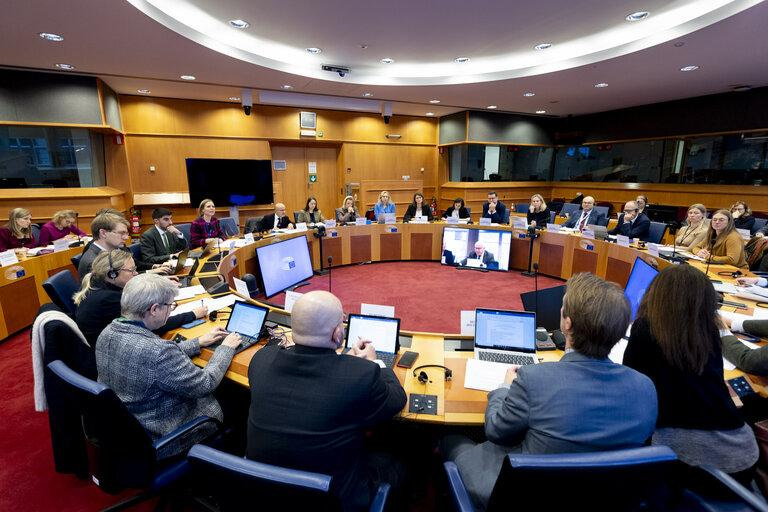
Munich: Corporate fleet electrification is heading for a softer legal footing, after two European Parliament committees lined up behind a compromise that turns national targets into non-binding goals. The Environment and Transport committees were due to vote jointly on Wednesday 4 November, and the deal reached by the centre-right, centre-left and liberal groups on 21 October is expected to carry.

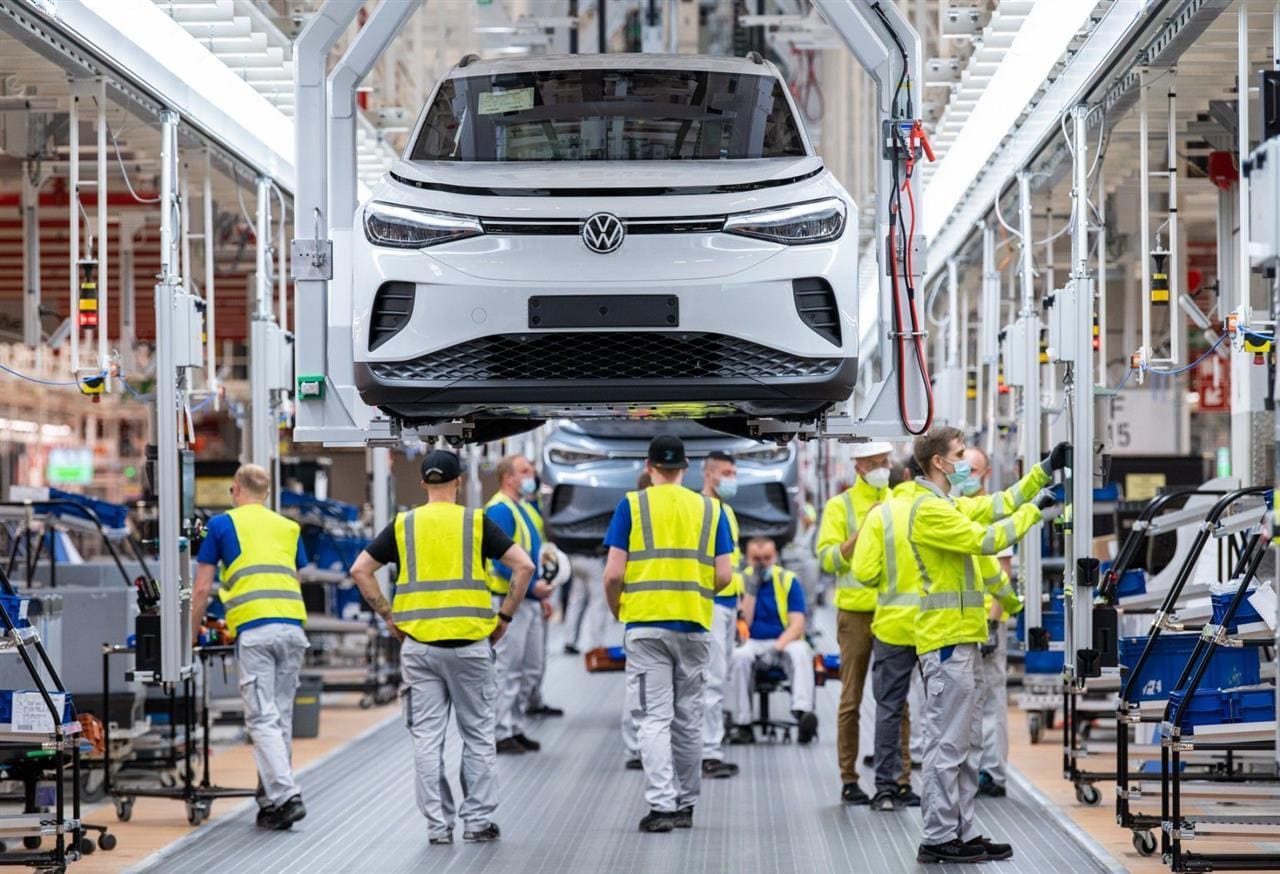
The file covers the cars and vans that companies buy and lease, a segment that accounts for around 60 percent of new vehicle sales in Europe. That weight explains why carmakers, leasing firms and governments have fought over the Commission proposal since it appeared, because any rule on corporate fleet electrification moves a large share of the market. Co-rapporteurs Tiemo Wölken, a German member of the Socialists and Democrats group, and François Kalfon, a French member of the same group, have steered the text through the committees.

Opposition to binding targets built up quickly. Nine member states asked on 19 May for the regulation to be replaced by non-binding guidelines, and six industry organisations made the same request in early June. On 23 June, lawmakers from the Renew Europe, European People’s Party and European Conservatives and Reformists groups tabled amendments calling for the proposal to be withdrawn altogether.

The compromise stops short of withdrawal but removes the legal bite from corporate fleet electrification. Under the 21 October deal, the per-country targets for corporate fleet electrification would no longer bind national governments. Governments could still pursue electrification, but they would do so without a legal obligation to hit a number.

One element survives intact. Article 4 keeps public financial support reserved for zero-emission and low-emission company vehicles that meet European production criteria, without the broader exemptions that some delegations wanted. The clause links public money for company vehicles to where those vehicles are made.

The vote matters beyond the fleet market. The Parliament has spent the autumn adjusting several climate and transport rules, and each change reshapes the balance between industrial competitiveness and decarbonisation targets. A non-binding approach to corporate fleet electrification would signal that a cross-party majority now prefers incentives and guidance to mandates.

Liberal MEP Yvan Verougstraete of Renew Europe has taken part in the debate on the Parliament side, and the Council still has to settle its own view. Member states that pushed for guidelines in May are likely to welcome the softer text, though some governments with strong domestic leasing sectors may still seek further changes.

The next milestone arrives later this month. Parliament is expected to adopt its negotiating mandate at the late-November plenary session, which would open talks with the Council on the final shape of the law. Until those negotiations conclude, fleet operators, lessors and charging-network investors will plan around a rule whose targets are advisory and whose funding conditions remain strict.

For companies, the practical question is whether voluntary goals will still move purchasing decisions. Fleet buyers respond to tax treatment, charging access and residual values more than to headline targets, so national budgets may decide the outcome of corporate fleet electrification more than any clause agreed in committee this week.