Brussels: Hybrid car price undertakings are now the central test of the truce that Trade Commissioner Maros Sefcovic and Chinese Commerce Minister Wang Wentao reached in Beijing on 8 and 9 October 2026. The joint statement that followed was short on detail but long on process, and that is exactly why the next months matter for European carmakers and Chinese exporters alike.
According to the Chinese Commerce Ministry, both sides agreed to follow agreed procedures on company price undertakings for hybrid cars. China also committed to keep facilitating export licences for rare earths and permanent magnets destined for the European Union. The two sides promised to strengthen their trade dialogue and to meet again in March 2027, while openly acknowledging that their differences remain.
The background explains why Brussels accepted a procedural outcome. The EU runs a trade deficit with China of roughly one billion euros a day, and European industry depends on Chinese magnets and critical minerals for everything from motors to defence electronics. Before the talks, the Financial Times reported that Beijing had rejected a European request for voluntary curbs on hybrid exports, and that the Commission was weighing a unilateral cap instead. A price undertaking is the middle path: an exporter commits to sell above an agreed floor, and the Commission in return refrains from a harsher remedy.
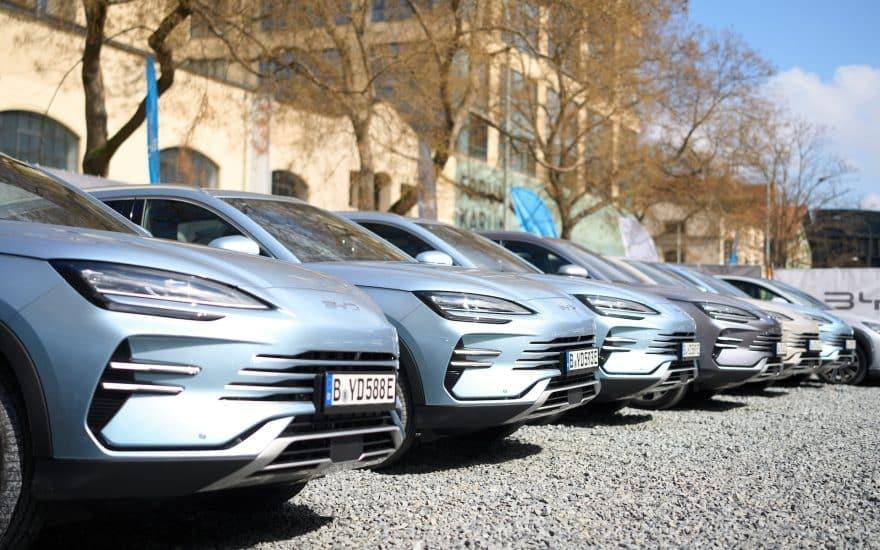
Hybrid car price undertakings are not new in EU trade law, but applying them to hybrids is a significant step. Such hybrid car price undertakings are only as credible as the monitoring behind them. Brussels must verify invoices, track resale channels and detect rebates that quietly erode the agreed floor. Chinese producers, for their part, will want assurance that a floor today does not become a quota tomorrow. Neither side has published the terms, so the real content of the hybrid car price undertakings will only become visible when the first company offers are filed.
Rare earth licensing is the second pillar of the bargain, and it is just as fragile. A commitment to facilitate licences is weaker than a general licence that would let European buyers plan shipments months ahead. The EU Chamber of Commerce in China has said that companies want measures that are proportionate, specific and negotiated, which is a polite way of asking for predictability. Bernd Lange, who chairs the European Parliament’s trade committee, argued that China’s own economic difficulties give Europe leverage, a view that many MEPs share after backing a non-binding resolution for a tougher China policy.
The political calendar adds pressure. Member states disagree about how hard to push, with some prioritising market access for their own exporters and others demanding firm defence of European manufacturing. A deal built on hybrid car price undertakings lets each capital claim a win while postponing the decisive choices.
For European policymakers the lesson is clear. The October understanding buys time rather than a solution, and the March 2027 meeting will show whether hybrid car price undertakings deliver real discipline on Chinese pricing or merely a pause before the next confrontation. Until then, carmakers, importers and magnet buyers will be watching the Commission’s filings more closely than any joint statement.