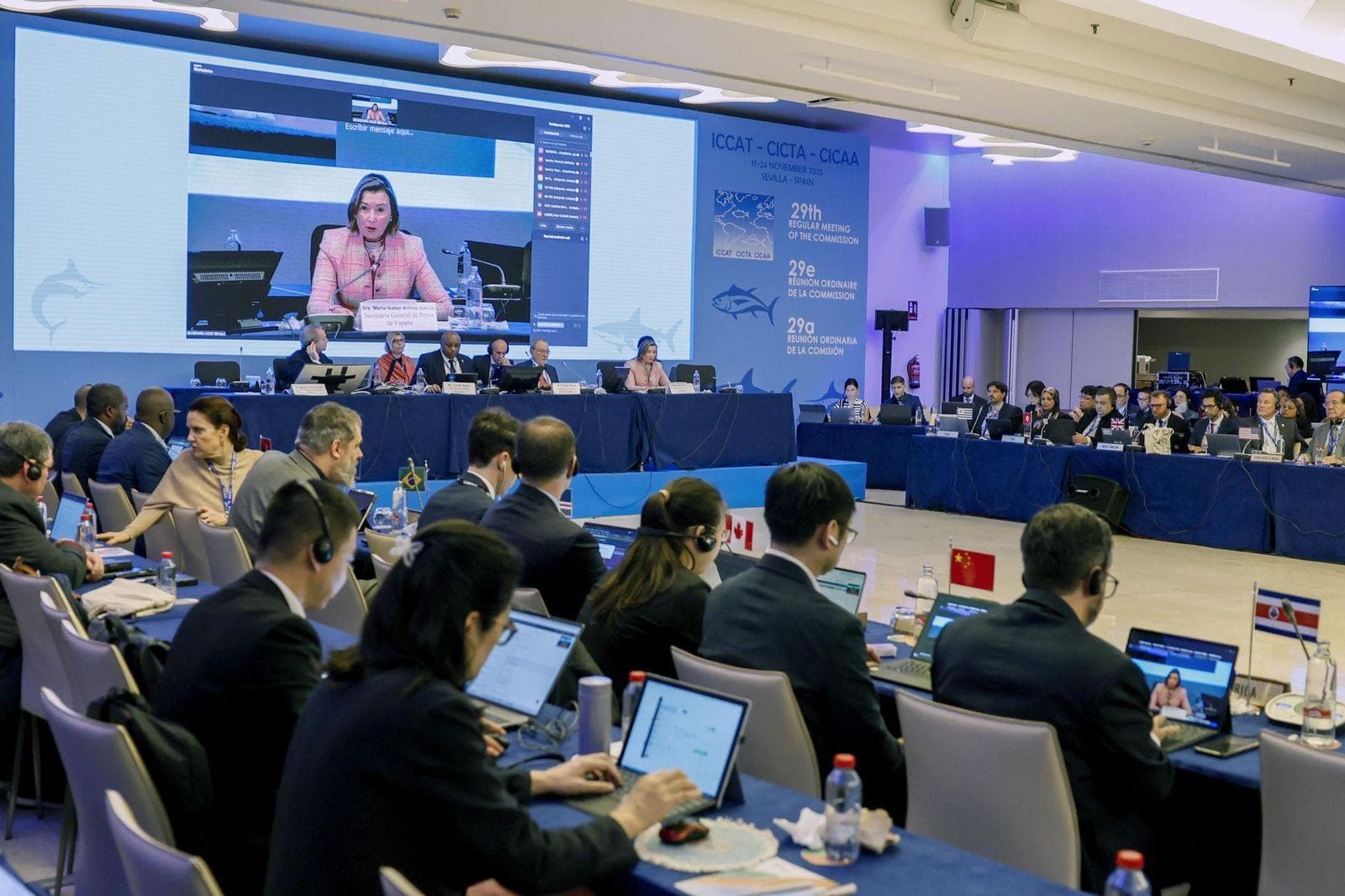
Genoa: Researchers presented new AI road safety tools at the European Parliament on 10 November 2026, showing how data from cars and city streets can flag dangerous spots before crashes happen. The event, called Road Safety, a Global Commitment, was organised by The Urban Mobility Council, a think tank backed by the insurer Unipol.
Parliament Vice-Presidents Antonella Sberna and Pina Picierno hosted the meeting. Transport Commissioner Apostolos Tzitzikostas attended, and Executive Vice-President Raffaele Fitto addressed the audience by video message. Jean Todt, the UN Secretary-General’s Special Envoy for Road Safety, used the event to announce a formal partnership with Unipol.
The headline AI road safety study came from Sergio Savaresi of the Politecnico di Milano. His team built RoadSafeAI 2.0, a predictive model that combines vehicle telematics, traffic flows and road network data. The researchers tested it in Milan and Genoa, and also in Naples, where no local telematics data existed, and reported an error margin of 5% to 6%.
Carlo Ratti of the MIT Senseable City Lab presented a second study on harsh driving in Milan. His team analysed millions of sudden braking and acceleration events. The results linked wider, open roads to more aggressive driving and found that physically separated cycle lanes were safer than painted ones.
The figures behind the push are stark. A report by the think tank and the research body Isfort counted 173,364 injury crashes in Italy in 2024, with 3,030 deaths. Urban areas accounted for 73.2% of crashes, and the social cost of road crashes in Italy runs at about €20 billion a year.
Speakers stressed that AI road safety depends on political choices as much as on algorithms. Picierno said technology can save lives, but only if decision-makers act on what it shows. Sberna linked predictive tools to EU investment in local infrastructure and to the future Connecting Europe Facility.
Several EU files touch the topic. Italy’s deputy permanent representative, Marco Canaparo, pointed to the EU roadworthiness package on vehicle inspections, which is still under negotiation. Todt called for mandatory helmets for riders of e-bikes and e-scooters, a demand that could feed into future EU rules.
Data access will decide how far AI road safety models can spread. Many cities lack telematics data, which is why the Naples test matters, since it suggests the model can still work with public sources. The EU’s data and AI rules will shape how insurers and cities share that information.
The message from the event was clear: AI road safety tools can now predict risk street by street. Whether they cut deaths depends on how quickly cities and EU institutions turn the maps into safer roads.