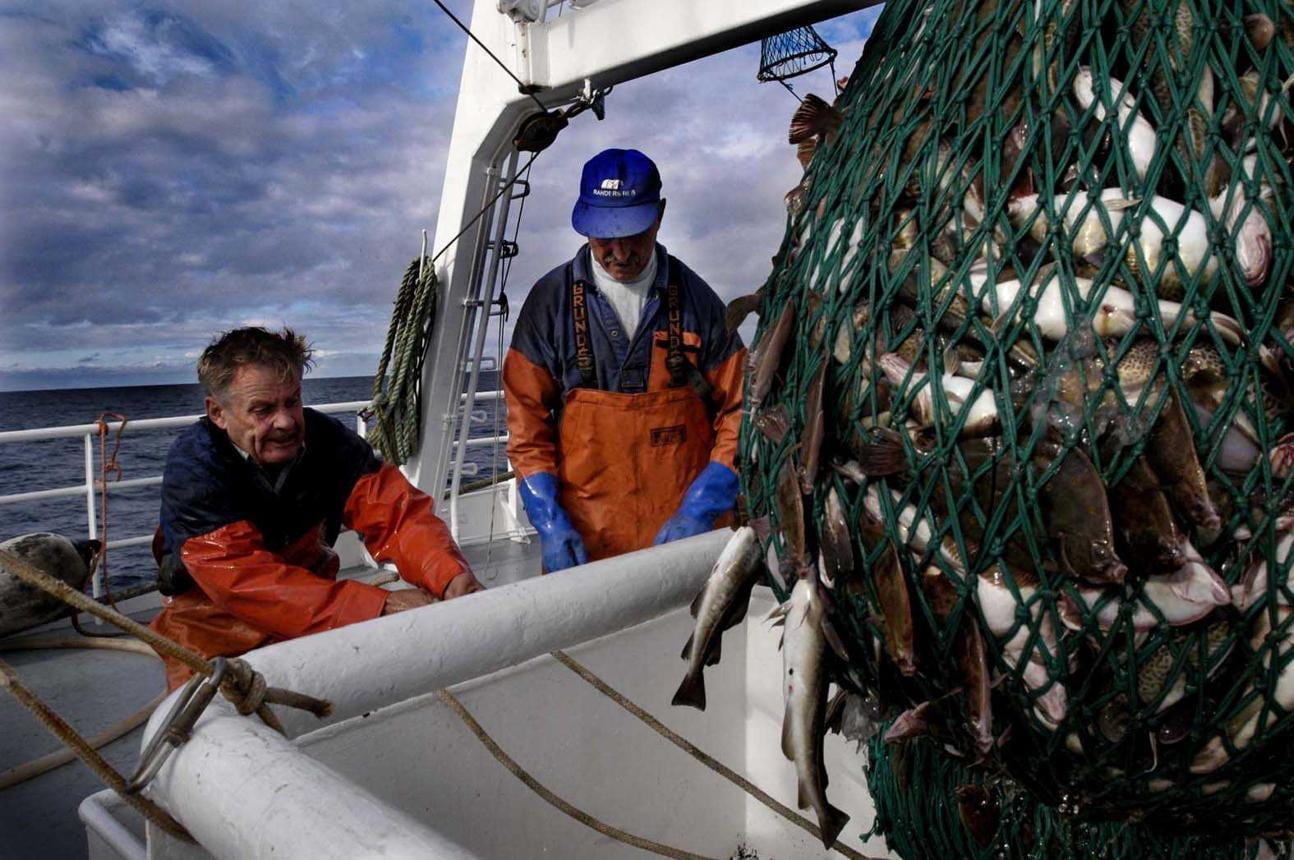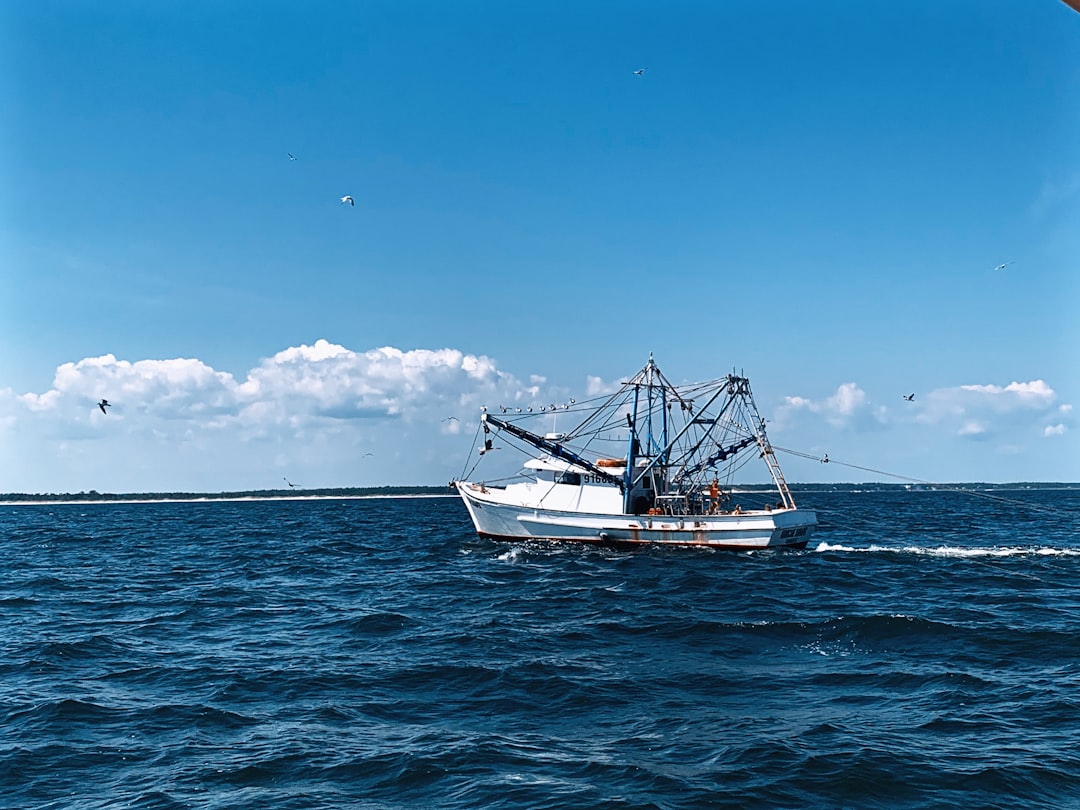
Cagliari: The Sardinian port that sits at the southern edge of the European bluefin tuna circuit opened its inspection harbour on 26 May with the first purse seiners under the new International Commission for the Conservation of Atlantic Tunas total allowable catch limits. The arrival of the season marks the operational debut of a quota cycle that runs 2026 to 2028 and that lifts the headline EU envelope by 3,661 tonnes on the previous arrangement, with the total opportunity for eastern Atlantic and Mediterranean bluefin landing at 25,164 tonnes per year for the bloc.
The political ground was set at the ICCAT annual meeting in November 2025, where contracting parties agreed a 17 percent increase in the global TAC for the species, taking the world ceiling to 48,403 tonnes per year. The decision relied on scientific advice from the ICCAT Standing Committee on Research and Statistics, which has reported sustained recovery of the eastern stock across consecutive assessment cycles. Cagliari fishing cooperatives that have spent the past five seasons under tightening individual quotas have already absorbed the extra tonnage into their vessel-level allocations, with redistribution decisions inside Italy’s national share completed during the spring inter-ministerial reviews.
Operationally, 202 purse seiners are deployed across the Mediterranean for the 2026 fishing window, with the European Fisheries Control Agency coordinating control means under the ICCAT Joint Scheme of International Inspection. Eight Member States participate in the joint scheme, contributing inspection vessels, aerial surveillance assets and port-state controllers to a programme that EFCA describes as the most data-dense fisheries control operation the agency runs. Cagliari serves as one of the principal inspection ports for the southern Tyrrhenian and central Mediterranean leg of the campaign, processing transshipment declarations, weighing landings and verifying the electronic bluefin catch documents that every individual fish must carry under the ICCAT traceability scheme.
The first three days of the window have already produced operational lessons. Reports from EFCA liaison officers describe a noticeable shift in the temporal distribution of effort, with vessels concentrating activity earlier in the daylight cycle than in previous seasons. The shift, which inspectors attribute to changing surface temperatures across the central basin, has implications for the timing of inspection patrols and for the synchronisation of port-state controls. Sardinian harbour masters report that the first week’s landings will be processed under tighter electronic verification protocols that were piloted during the late 2025 season and that are now mandatory for the full 2026 campaign.
The bluefin file also intersects with the broader Mediterranean fisheries reform discussion that the Commission is preparing inside its evaluation of the Common Fisheries Policy. The Commission’s 2025 evaluation, published last June, acknowledged that the policy has not delivered on its socio-economic sustainability objectives despite environmental compliance gains, and Mediterranean Member States have used the bluefin success as evidence that targeted multi-annual plans can deliver where horizontal management has stalled. Cagliari processors and the Sardinian regional government are pressing for a similar treatment for swordfish and Mediterranean small pelagics, citing the bluefin recovery as the template.
Beyond the headline TAC, the 2026 cycle introduces sharper transparency obligations on operator-level catch reporting. Vessel monitoring system data, observer reports and landing declarations must now feed a Commission-administered data lake that aggregates daily landings into a near-real-time picture, accessible to inspection authorities across the participating coastal states. Cagliari cooperatives report that the compliance investment has been substantial but that the operational benefit of a transparent market is already visible in first-sale pricing, with auction prices for premium grade fish running roughly seven percent above the equivalent week last year.