August 9, 2026
LATEST
Brussels and Beijing Keep Talking While the Trade Gap WidensKorean Weapons and EU Loans Now Bankroll Europe’s RearmamentNew EU Gas Market Rules Take Effect With Consumer SafeguardsDeforestation Regulation Holds Its December Deadline Despite CutsDigital Omnibus Delays Europe’s High-Risk AI Deadline to 2027Europe’s Schools Confront a Widening Basic Skills GapRule of Law Report Finds Progress but Trust Still LagsIRIS2 Gains 66 Satellites as Brussels Signs the Rollout DealNature Restoration Plans Come Due as Member States Race a DeadlineECB Rates Hold at 2.25 Percent as Frankfurt Waits on the DataEU Budget Talks Turn to Cohesion as Ireland Takes OverWildfire Response Stretches Europe’s Emergency Fleet ThinCan Europe’s Quantum Plan Match Its Big Ambitions?Armenia Edges West as Moscow’s Grip Slips AwayEurope Inherits the World’s Aid Bill It Cannot Fully PayAir Passenger Rights Get Their First Overhaul in Two DecadesErasmus Opens a 5 Billion Euro Round for Skills and MobilityCeuta Crisis Pushes the EU Toward Faster Migrant ReturnsBulky Parcels Face a Packaging Crackdown From August 12Can Europe Build Its Drone Wall Before 2030 Arrives?Brussels and Beijing Keep Talking While the Trade Gap WidensKorean Weapons and EU Loans Now Bankroll Europe’s RearmamentNew EU Gas Market Rules Take Effect With Consumer SafeguardsDeforestation Regulation Holds Its December Deadline Despite CutsDigital Omnibus Delays Europe’s High-Risk AI Deadline to 2027Europe’s Schools Confront a Widening Basic Skills GapRule of Law Report Finds Progress but Trust Still LagsIRIS2 Gains 66 Satellites as Brussels Signs the Rollout DealNature Restoration Plans Come Due as Member States Race a DeadlineECB Rates Hold at 2.25 Percent as Frankfurt Waits on the DataEU Budget Talks Turn to Cohesion as Ireland Takes OverWildfire Response Stretches Europe’s Emergency Fleet ThinCan Europe’s Quantum Plan Match Its Big Ambitions?Armenia Edges West as Moscow’s Grip Slips AwayEurope Inherits the World’s Aid Bill It Cannot Fully PayAir Passenger Rights Get Their First Overhaul in Two DecadesErasmus Opens a 5 Billion Euro Round for Skills and MobilityCeuta Crisis Pushes the EU Toward Faster Migrant ReturnsBulky Parcels Face a Packaging Crackdown From August 12Can Europe Build Its Drone Wall Before 2030 Arrives?
August 9, 2026
LATEST
Brussels and Beijing Keep Talking While the Trade Gap WidensKorean Weapons and EU Loans Now Bankroll Europe’s RearmamentNew EU Gas Market Rules Take Effect With Consumer SafeguardsDeforestation Regulation Holds Its December Deadline Despite CutsDigital Omnibus Delays Europe’s High-Risk AI Deadline to 2027Europe’s Schools Confront a Widening Basic Skills GapRule of Law Report Finds Progress but Trust Still LagsIRIS2 Gains 66 Satellites as Brussels Signs the Rollout DealNature Restoration Plans Come Due as Member States Race a DeadlineECB Rates Hold at 2.25 Percent as Frankfurt Waits on the DataEU Budget Talks Turn to Cohesion as Ireland Takes OverWildfire Response Stretches Europe’s Emergency Fleet ThinCan Europe’s Quantum Plan Match Its Big Ambitions?Armenia Edges West as Moscow’s Grip Slips AwayEurope Inherits the World’s Aid Bill It Cannot Fully PayAir Passenger Rights Get Their First Overhaul in Two DecadesErasmus Opens a 5 Billion Euro Round for Skills and MobilityCeuta Crisis Pushes the EU Toward Faster Migrant ReturnsBulky Parcels Face a Packaging Crackdown From August 12Can Europe Build Its Drone Wall Before 2030 Arrives?Brussels and Beijing Keep Talking While the Trade Gap WidensKorean Weapons and EU Loans Now Bankroll Europe’s RearmamentNew EU Gas Market Rules Take Effect With Consumer SafeguardsDeforestation Regulation Holds Its December Deadline Despite CutsDigital Omnibus Delays Europe’s High-Risk AI Deadline to 2027Europe’s Schools Confront a Widening Basic Skills GapRule of Law Report Finds Progress but Trust Still LagsIRIS2 Gains 66 Satellites as Brussels Signs the Rollout DealNature Restoration Plans Come Due as Member States Race a DeadlineECB Rates Hold at 2.25 Percent as Frankfurt Waits on the DataEU Budget Talks Turn to Cohesion as Ireland Takes OverWildfire Response Stretches Europe’s Emergency Fleet ThinCan Europe’s Quantum Plan Match Its Big Ambitions?Armenia Edges West as Moscow’s Grip Slips AwayEurope Inherits the World’s Aid Bill It Cannot Fully PayAir Passenger Rights Get Their First Overhaul in Two DecadesErasmus Opens a 5 Billion Euro Round for Skills and MobilityCeuta Crisis Pushes the EU Toward Faster Migrant ReturnsBulky Parcels Face a Packaging Crackdown From August 12Can Europe Build Its Drone Wall Before 2030 Arrives?

Podgorica Eyes A 2028 Finish Line As More Chapters Quietly Close

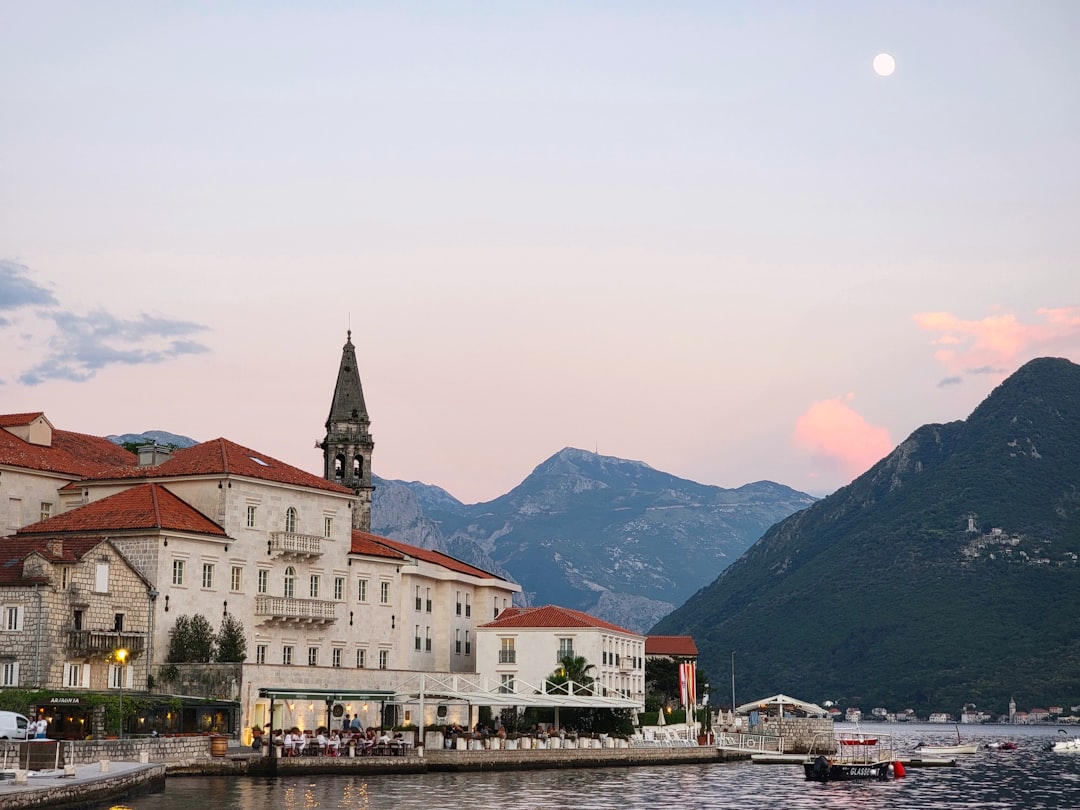
Podgorica: While the political energy around enlargement tends to fixate on the dramatic cases, the bloc’s most advanced candidate has been making steady, unglamorous progress. Montenegro, in talks since 2012, has now opened all 33 negotiating chapters and provisionally closed 13 of them, with the most recent closures logged early this year. The government’s stated ambition is to wrap up negotiations by the end of 2026 and join the Union by 2028 – a timeline that once sounded aspirational and now looks, if not assured, at least plausible.

The decisive terrain is the rule-of-law cluster. Chapters 23 and 24, covering judicial independence, the fight against corruption and organised crime, and fundamental rights, function as the gatekeepers of the whole process; under the bloc’s methodology, meeting their interim benchmarks unlocks the closing phase for everything else. Montenegro has reached those benchmarks, which is why the remaining work is increasingly about consolidation rather than reform on paper. The harder test is whether reforms hold under pressure once the external incentive of accession begins to fade.

The contrast with the bloc’s two other front-of-mind candidates is instructive. Ukraine and Moldova entered active negotiations in 2024 and completed the screening of their alignment with EU law during 2025, clearing the technical hurdle to open their first negotiating clusters. The Commission has recommended doing exactly that. Yet the step requires unanimity, and Hungary’s veto has kept both countries stranded at the threshold despite the political momentum behind their bids.

That blockage has become the defining frustration of the current enlargement cycle. Officials shepherding the file have spoken in cautiously optimistic terms about the prospect of finally opening clusters for Kyiv and Chisinau, but optimism has repeatedly run aground on the single-veto architecture that governs each move. The Commission continues to back a 2028 target for concluding talks with both, a date that will slip the moment the procedural logjam outlasts the political will to break it.

Montenegro’s quieter path therefore carries a message. Enlargement rewards candidates that grind through the technical chapters while the spotlight is elsewhere, and it punishes those whose progress depends on resolving disputes among existing members. Podgorica cannot be vetoed into reform, but it also cannot be vetoed out of the queue the way an opening decision can be blocked; its remaining chapters turn mostly on its own performance, not on a unanimous green light for a contested first step.

The stakes extend beyond any single applicant. A credible accession for Montenegro would demonstrate that the process still functions and still delivers, an argument the Union badly needs as it asks other candidates to undertake painful reforms with no guaranteed payoff. A stalled one would feed the suspicion, already widespread in the Western Balkans, that the door is permanently ajar but never quite open. With benchmarks met and chapters closing, the next two years will show whether the most advanced candidate can convert technical readiness into the political decision that membership ultimately requires – and whether the bloc can take yes for an answer.