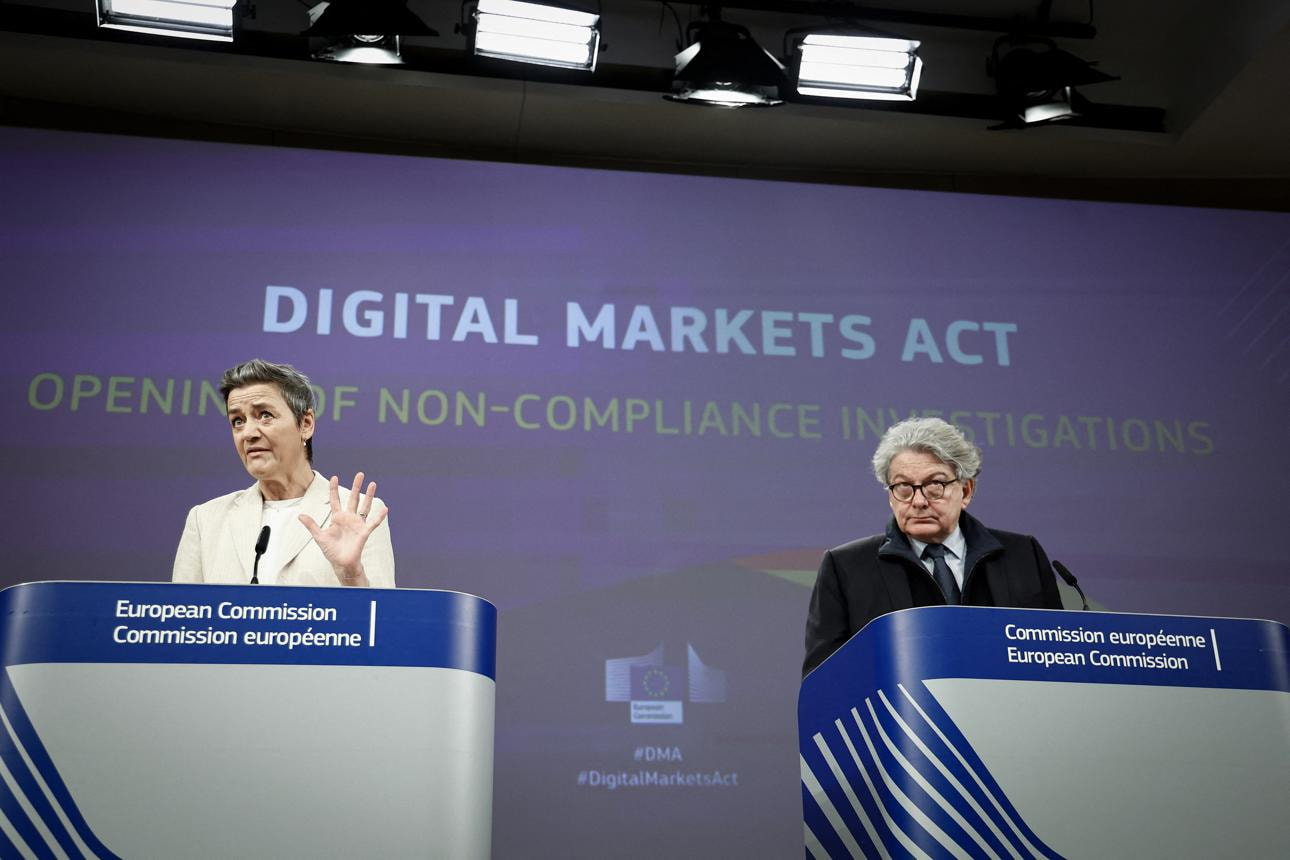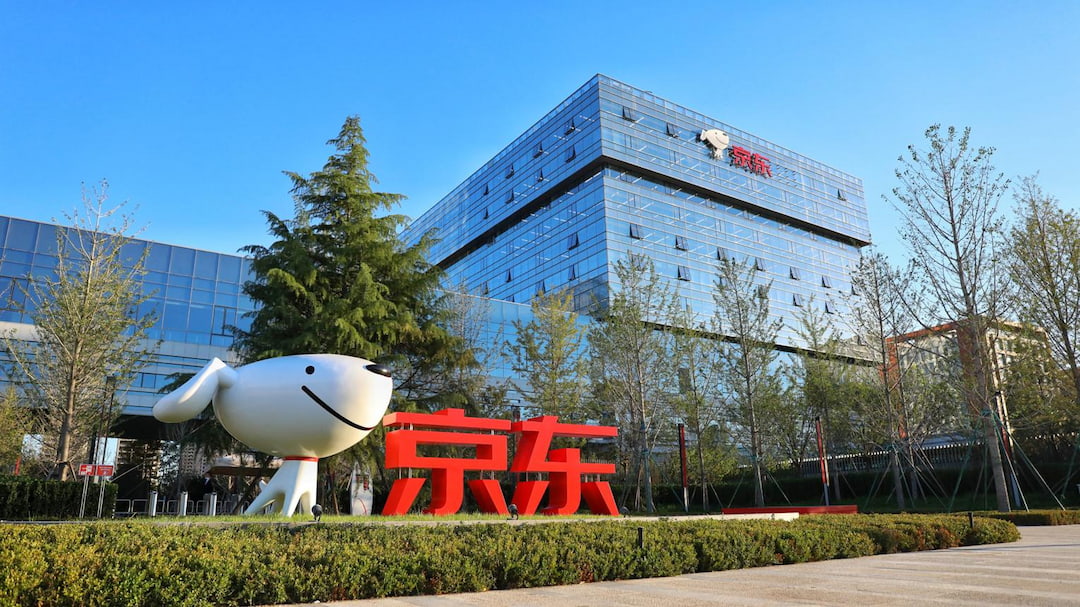
Berlin: When a Chinese e-commerce giant offers to buy the German owner of MediaMarkt and Saturn, the obvious question is whether the price is right. The European Commission has decided the more important question is where the money comes from. On 28 May it opened an in-depth investigation into JD.com’s roughly 2.2 billion euro bid for Ceconomy under the Foreign Subsidies Regulation, the instrument the bloc built to police state support that originates outside its borders but distorts competition inside them.
The Foreign Subsidies Regulation is still a young tool, and each case helps define how aggressively it will be used. Traditional merger control asks whether a combined company would gain too much market power. The subsidies regulation asks something different and, for Brussels, newly urgent, whether one of the bidders is competing on the strength of foreign state backing rather than its own commercial merit. The deal was notified on 17 April, a preliminary look raised concerns, and the Commission now has until early October to decide whether the financing, tax incentives and grants JD.com may have received from China tilted the contest.
What the regulators say they are probing is instructive. They want to know whether suspected subsidies allowed JD.com to put a higher number on the table than an unsubsidised rival could have justified, and whether the same support might underwrite Ceconomy’s expansion after the deal closes. The theory of harm is not that European consumers face higher prices tomorrow. It is that a state-financed buyer can win assets and entrench itself in a way a market-financed competitor cannot, gradually reshaping a sector on terms set in Beijing rather than in the market.
For JD.com the timing is unflattering. The company has spent recent years pushing into European logistics and retail, and Ceconomy, parent of two of the continent’s best-known electronics chains, would have been a substantial physical foothold. An in-depth investigation does not kill a deal, but it adds months of uncertainty, invites political scrutiny and signals that Chinese capital entering strategic European consumer markets will be read through a geopolitical lens as much as a commercial one. That message lands well beyond this single transaction.
The case also exposes a tension the bloc has not fully resolved. Europe needs inbound investment, and its retail and technology sectors have long welcomed foreign capital. At the same time the bloc has grown wary of acquisitions that hand strategically sensitive assets, data flows and supply chains to companies enjoying opaque state support. The Foreign Subsidies Regulation is the instrument meant to thread that needle, distinguishing welcome investment from distortive subsidy, yet every decision risks being read as either protectionism dressed in legal language or a necessary defence of a level playing field.
There is a credibility test embedded in the process. If the Commission clears the deal with conditions, it will have shown the regulation can be applied with proportion rather than as a blanket barrier to Chinese money. If it blocks the transaction or extracts heavy commitments, it will confirm that the bloc is prepared to use the tool decisively even when the target is ordinary consumer retail rather than semiconductors or energy. Either way the outcome becomes a reference point for the next investor weighing a European acquisition.
The wider backdrop is a bloc steadily assembling a toolkit for economic security, from foreign-investment screening to subsidy review to export controls, and learning to wield instruments it once would have considered unnecessary in an open trading system. The JD.com inquiry is a modest transaction by the standards of global dealmaking, but it is a clean illustration of how Europe now thinks about the price of openness. The figure on the offer letter is no longer the only number that decides whether a deal goes through.