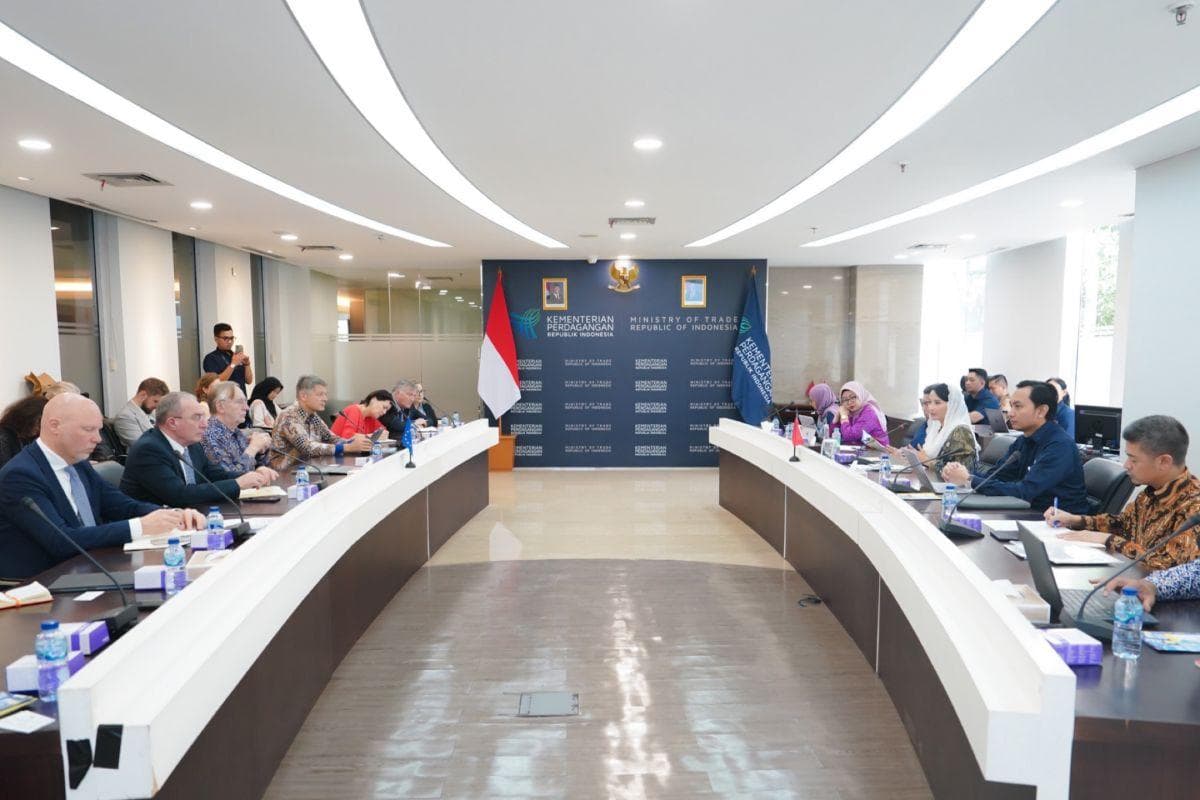
Seoul: South Korea’s quiet entry into the European Union’s flagship research programme is one of those developments that looks small on paper and large in implication. Having become the first Asian country to associate to a pillar of Horizon Europe, Korean universities and firms can now compete for European grants and join European consortia in the fields that will define industrial power, from semiconductors and clean hydrogen to artificial intelligence and quantum science. The arrangement is being extended into the 2026 to 2027 work programme, and officials on both sides have begun the delicate conversation about what the next framework programme should look like after 2027.
For Brussels, the appeal is strategic as much as scientific. Europe spent years insisting that its research budget was a European affair, open to neighbours but anchored in the continent. The decision to bring in an advanced Asian democracy marks a deliberate reversal, an admission that excellence in frontier technology is now distributed across a handful of capable states and that locking them out is a luxury Europe can no longer afford. South Korea brings genuine depth in memory chips, batteries and display technology, areas where European industry has fallen behind and would rather collaborate than concede.
For Seoul, association is a way of diversifying a research base that has leaned heavily on the United States and on its own formidable but inward-looking conglomerates. Plugging into European networks gives Korean scientists access to facilities, datasets and partners outside the American orbit at a moment when every government is hedging against the concentration of technological dependence. It also signals that Korea intends to be a rule-shaper rather than a rule-taker, present in the rooms where standards for the next generation of technologies are negotiated.
The harder questions concern reciprocity and trust. Association to a research programme means sharing not only money but knowledge, and knowledge in semiconductors or quantum computing carries obvious security weight. European governments that have spent two years tightening rules on inbound investment and outbound technology will have to reconcile that caution with the openness that genuine scientific partnership demands. The same officials who warn about leakage of sensitive know-how are now inviting a major chip-making nation into their laboratories. Squaring that circle will require careful rules on dual-use research and a maturity about risk that bureaucracies do not always display.
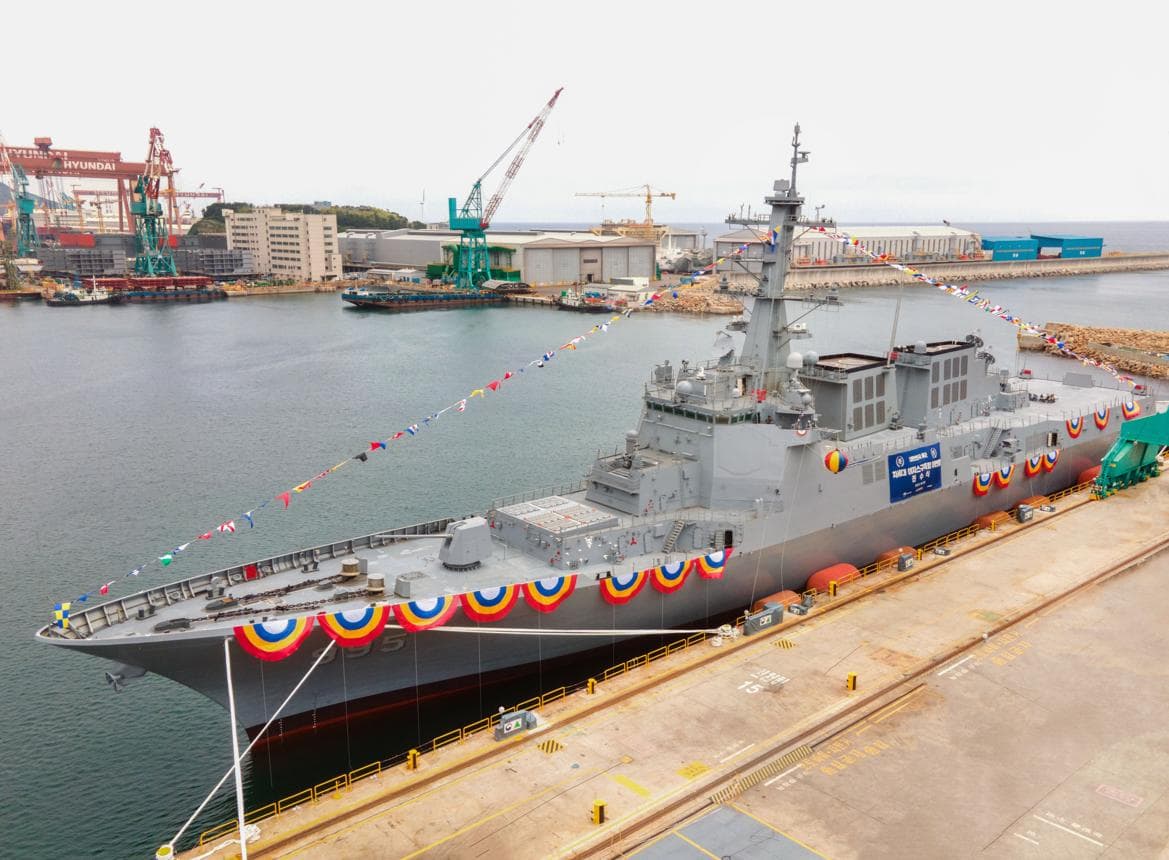
There is a defence dimension that the science framing tends to obscure. Korea has emerged as one of the world’s most reliable arms manufacturers, supplying artillery, tanks and aircraft to European states scrambling to rearm. A research relationship that begins with civilian technology rarely stays purely civilian, and both sides have spoken openly about cooperation in the defence-industrial domain as strategic risks intensify across Europe and the Indo-Pacific. The Horizon link and the weapons contracts are separate on paper, but they describe the same underlying calculation, that Europe and Korea are converging because the alternative is dependence on partners they can no longer take for granted.
The fragile part is institutional. Association agreements can be generous in ambition and thin in delivery, and the value of Korea’s membership will depend on whether Korean teams actually win grants, whether European partners treat them as equals rather than junior collaborators, and whether the political will survives the next budget fight in Brussels. The continent’s research funding is already squeezed inside a larger and more contested financial framework, and global ambitions are easy to announce and easy to quietly abandon when money runs short.
Yet the move fits a pattern that is becoming the defining feature of European external policy. Faced with a world of sharpening rivalry, the Union is assembling a coalition of capable democracies in the only currency it reliably commands, which is regulation, research and the slow accretion of shared institutions. South Korea is now part of that experiment. Whether it amounts to more than a handsome agreement will be measured in laboratories, not in launch ceremonies.