Luxembourg: For most of the past two decades, North Korea occupied a peculiar place in European foreign policy, a problem acknowledged in principle and ignored in practice. The bloc maintained one of the world’s strictest sanctions regimes against Pyongyang, condemned each missile test, and otherwise treated the Korean peninsula as someone else’s emergency. That detachment has collapsed, and the reason sits 8,000 kilometres away on the battlefields of Ukraine.
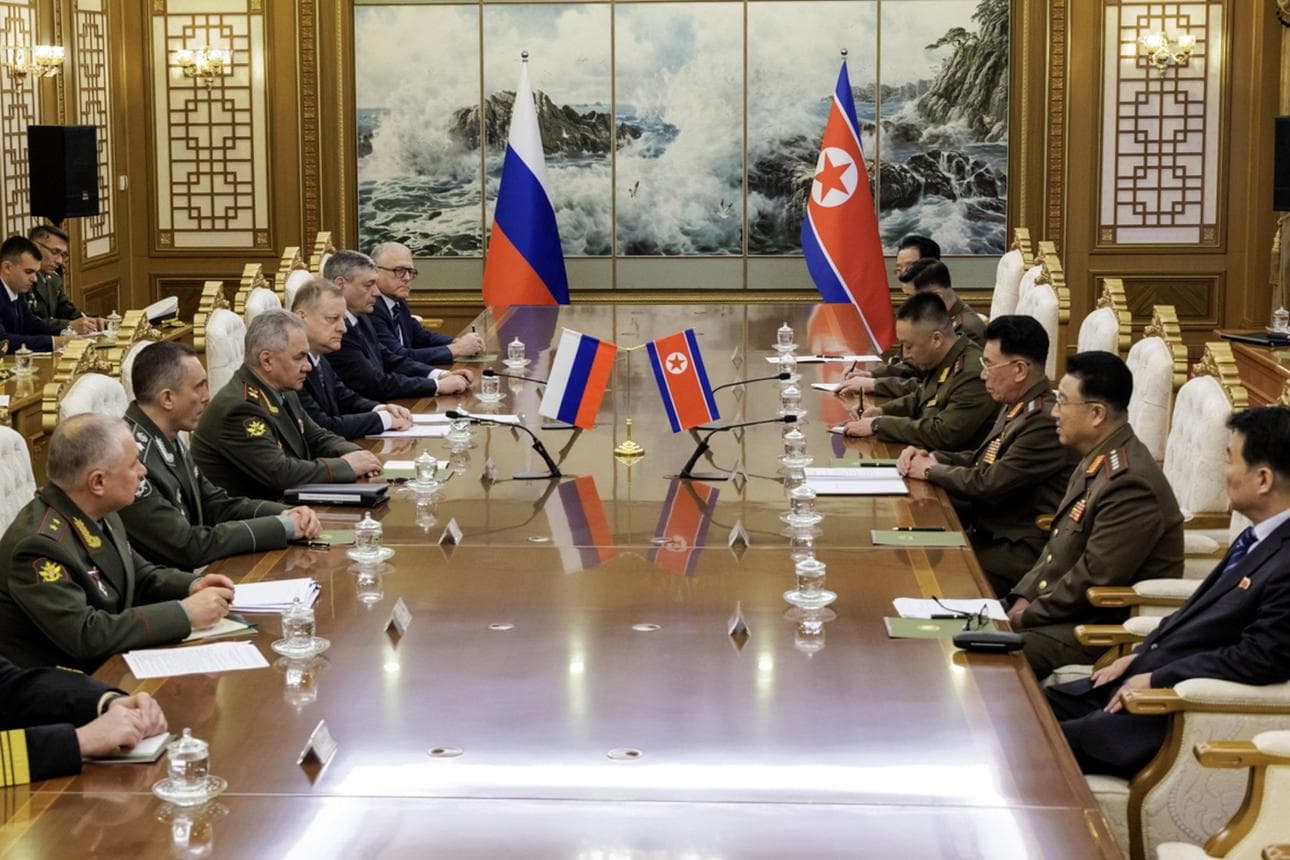
North Korea’s decision to send troops and a steady stream of artillery shells and missiles to support Russia’s war has turned a distant authoritarian state into a direct contributor to the conflict on Europe’s borders. Each consignment of munitions that crosses from the DPRK into Russian hands is a round that may eventually fall on a Ukrainian city. The abstraction of a faraway dictatorship has become a concrete line in Europe’s own security ledger, and the bloc’s response has hardened accordingly.
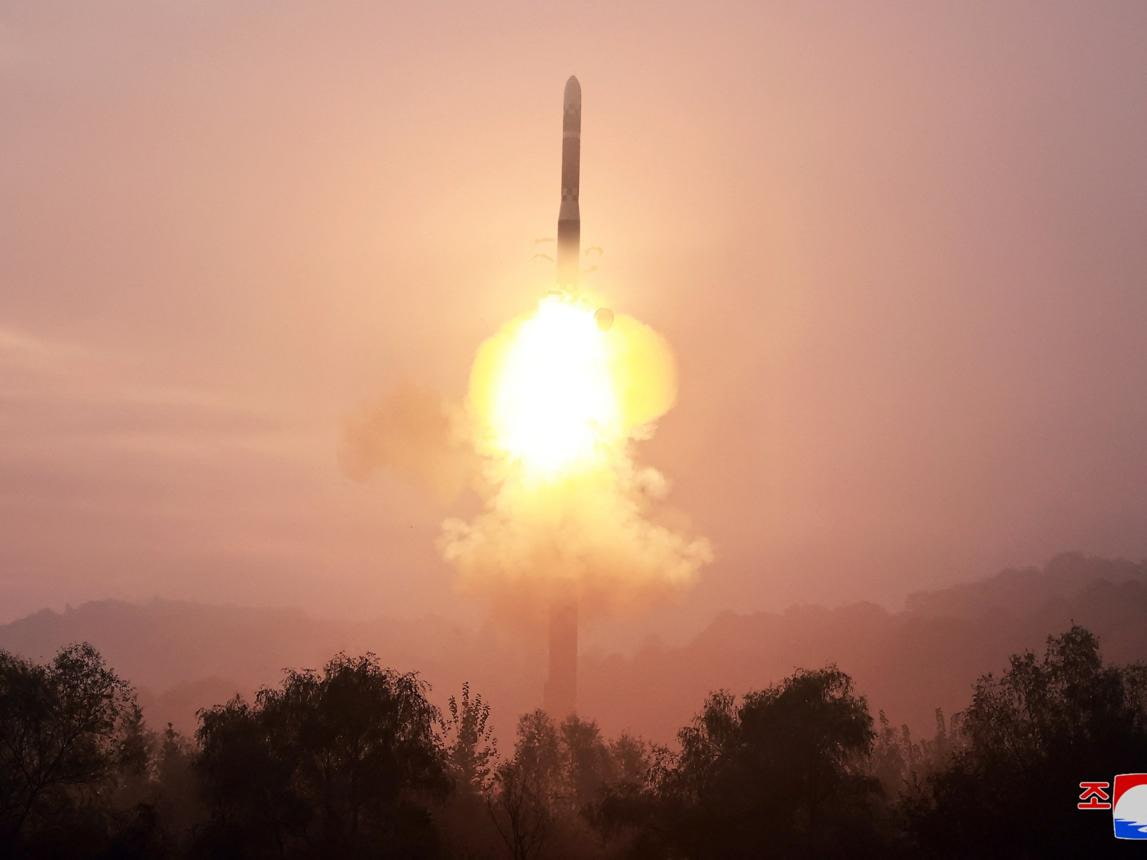
The instrument of that hardening is sanctions. The EU has repeatedly expanded its DPRK measures, targeting individuals and entities involved in sanctions evasion, weapons procurement and the financial networks that fund Pyongyang’s nuclear and ballistic programmes. The logic is to choke the revenue and the technology transfers that keep the arrangement with Moscow running. Yet European officials privately concede the limits of the tool. A regime already among the most sanctioned on earth, now shielded by a permanent member of the Security Council, has little left to lose and a powerful new patron willing to pay.
That patron relationship is what alarms strategists most. In exchange for troops and shells, Russia appears to be sharing missile, space and possibly nuclear-applicable expertise that could accelerate North Korea’s arsenal by years. A more capable Pyongyang is not merely an Asian problem; it erodes the non-proliferation order that Europe has spent decades defending and emboldens every state weighing whether nuclear weapons buy immunity. Russia’s veto of the UN panel that once monitored sanctions compliance has already blinded the international community to much of this traffic.
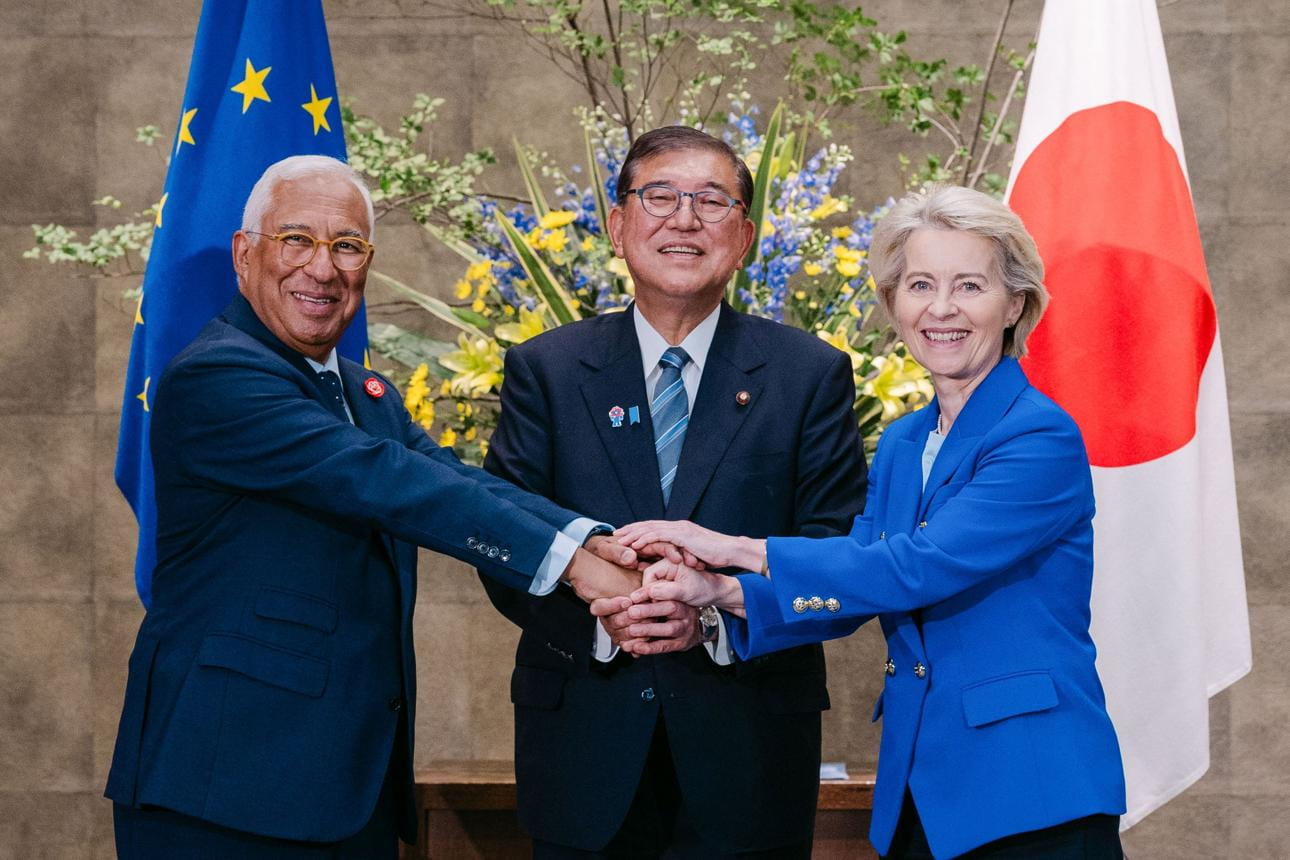
For the EU, the predicament exposes the gap between ambition and leverage. Brussels can name and shame, freeze assets and bar transactions, but it has no military presence on the peninsula and little sway over the calculations in Pyongyang or Moscow. Its most effective contribution may be indirect: tightening enforcement of existing measures, closing the maritime and financial loopholes that let banned cargo move, and coordinating with Indo-Pacific partners such as South Korea and Japan who share both the threat and the data to counter it.
The deeper lesson is about the architecture of security itself. The war in Ukraine has fused theatres that once seemed separate, linking a Korean dictatorship to a European battlefield through a Russian intermediary. Europe can no longer treat North Korea as a regional curiosity to be managed from afar. It has become a node in the same network of pressure that runs through Moscow, and the bloc’s willingness to keep tightening the screws, however imperfect the instrument, reflects a recognition that the screws are now fastened to its own front door.