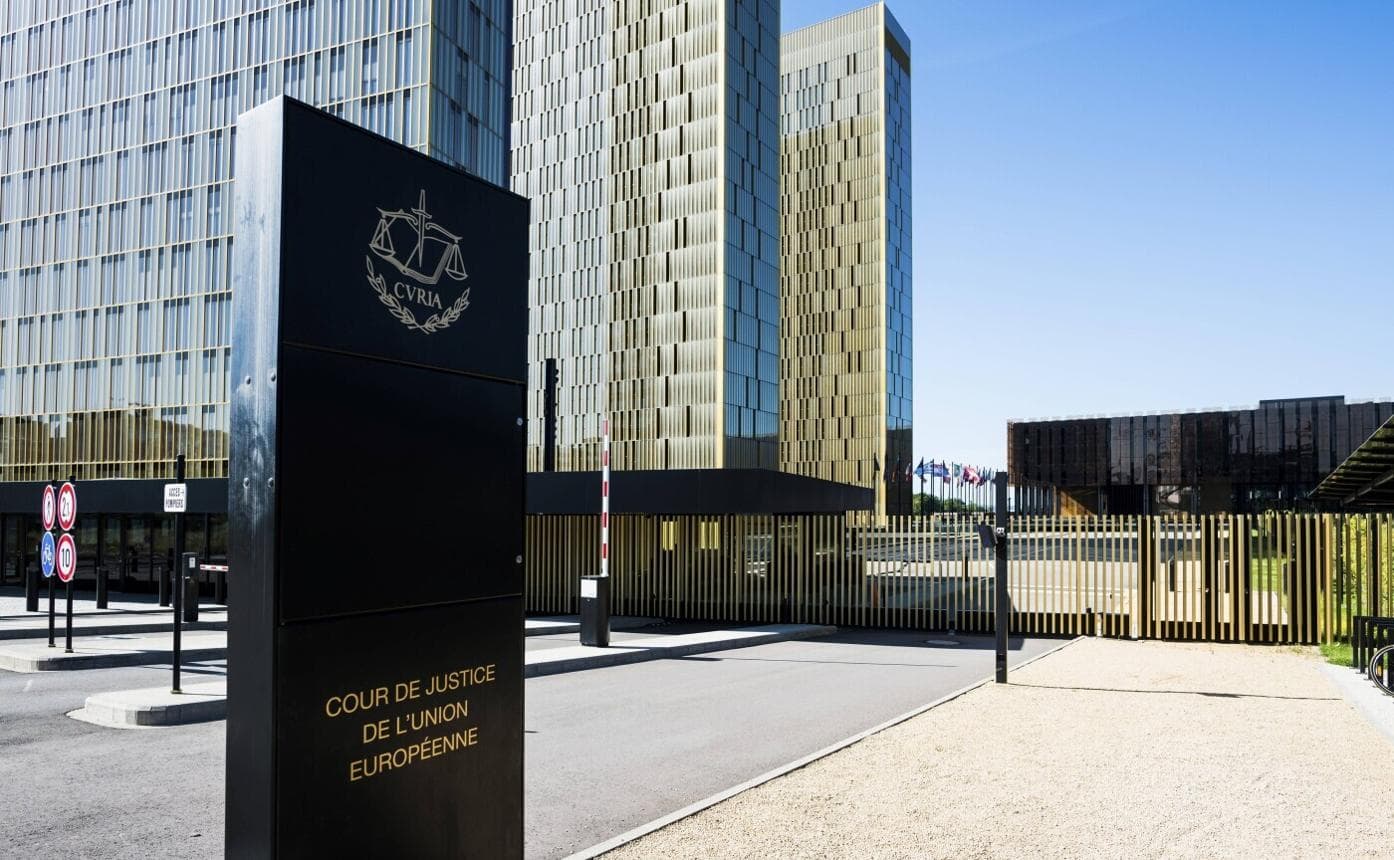
Nicosia: For an island drenched in sunshine for much of the year, Cyprus has a surprisingly modest record of turning that light into power, and the European Commission has now made clear it has run out of patience. In its June infringement package, Brussels sent a reasoned opinion to Nicosia for failing to fully transpose the parts of the revised Renewable Energy Directive that are meant to simplify and accelerate the permitting of clean-energy projects. It is the second formal step in an infringement procedure, and the one that precedes a referral to the Court of Justice.
The directive in question, formally Directive 2023/2413, was the bloc’s response to a hard lesson learned during the energy crisis: that the single biggest brake on building wind farms and solar parks was not money or engineering but paperwork. Permitting that dragged on for years strangled projects that were otherwise ready to proceed. The revised rules require member states to designate renewables acceleration areas, impose binding deadlines on authorities, and treat renewable deployment as an overriding public interest. Cyprus, in the Commission’s assessment, has not written enough of this into national law.
The reasoned opinion gives the government two months to respond and bring its rules into line. Should the reply fail to satisfy Brussels, the case can be referred to the Court of Justice, with the eventual prospect of financial penalties. The mechanism is deliberately escalatory, designed to extract compliance through mounting pressure rather than a single dramatic sanction.
Cyprus is not alone in its tardiness. Transposition of the renewable directive has lagged across several capitals, and the June package is part of a steady drumbeat of enforcement intended to keep the bloc’s 2030 target, a minimum 42.5 percent share of renewables in final energy consumption, within reach. The Commission’s own figures show renewables accounted for 25 percent of EU consumption in 2024, up from 17 percent a decade earlier, but the trajectory needs to steepen considerably for the target to be met.
The enforcement action arrives just as the Commission prepares a renewable energy framework for the next decade, intended for adoption by the end of the year, with a public consultation that ran into mid-June. The new framework is meant to lock renewables into the bloc’s 2040 climate ambitions and to deliver what officials describe as reliable, affordable, homegrown energy. None of that is achievable if national permitting offices continue to move at their own pace, which is precisely why the Commission is willing to take a small member state to court over administrative procedure.
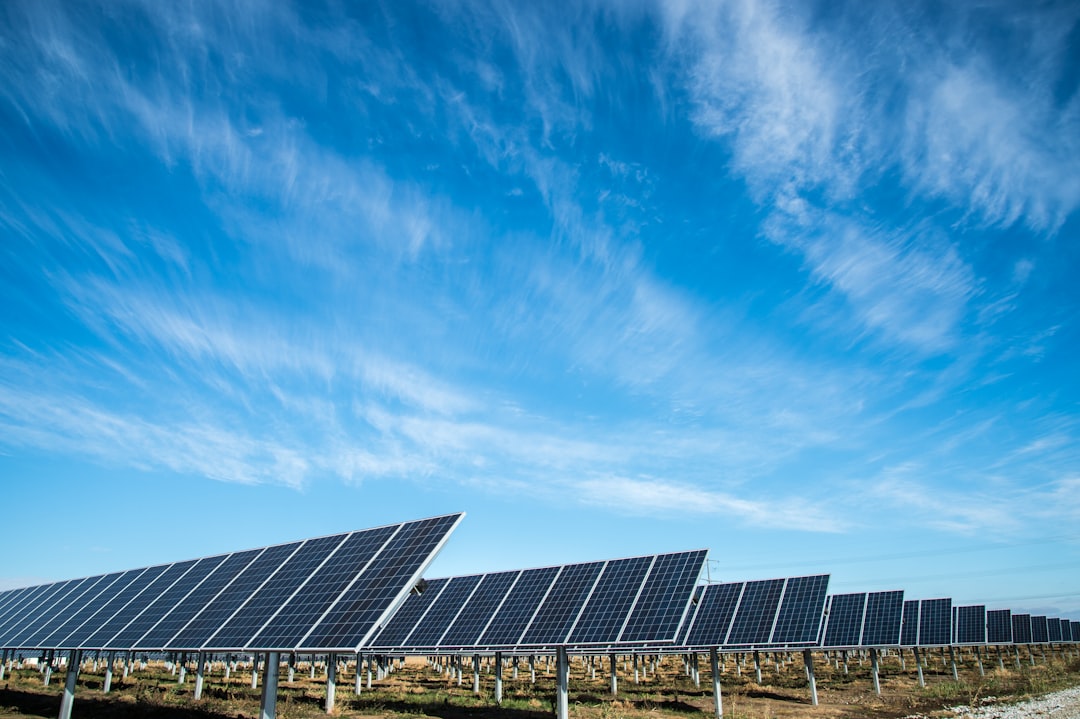
For Cyprus, the stakes are more than legal. The island remains heavily dependent on imported fuel for electricity, leaving households exposed to every swing in global energy markets. Faster permitting would not solve that overnight, but it would let the abundant Mediterranean sun finally pull more weight in the national grid. The reasoned opinion, dry as its language is, is ultimately a prod toward an outcome Nicosia claims to want anyway: more of its own power, generated at home, and approved without the years of waiting that have become the island’s quiet energy scandal.