August 9, 2026
LATEST
New EU Gas Market Rules Take Effect With Consumer SafeguardsDeforestation Regulation Holds Its December Deadline Despite CutsDigital Omnibus Delays Europe’s High-Risk AI Deadline to 2027Europe’s Schools Confront a Widening Basic Skills GapRule of Law Report Finds Progress but Trust Still LagsIRIS2 Gains 66 Satellites as Brussels Signs the Rollout DealNature Restoration Plans Come Due as Member States Race a DeadlineECB Rates Hold at 2.25 Percent as Frankfurt Waits on the DataEU Budget Talks Turn to Cohesion as Ireland Takes OverWildfire Response Stretches Europe’s Emergency Fleet ThinCan Europe’s Quantum Plan Match Its Big Ambitions?Armenia Edges West as Moscow’s Grip Slips AwayEurope Inherits the World’s Aid Bill It Cannot Fully PayAir Passenger Rights Get Their First Overhaul in Two DecadesErasmus Opens a 5 Billion Euro Round for Skills and MobilityCeuta Crisis Pushes the EU Toward Faster Migrant ReturnsBulky Parcels Face a Packaging Crackdown From August 12Can Europe Build Its Drone Wall Before 2030 Arrives?Indonesia’s Trade Deal With Europe Nears Its Final SignatureEurope Leans on Beijing to Keep Climate Talks Alive Before AntalyaNew EU Gas Market Rules Take Effect With Consumer SafeguardsDeforestation Regulation Holds Its December Deadline Despite CutsDigital Omnibus Delays Europe’s High-Risk AI Deadline to 2027Europe’s Schools Confront a Widening Basic Skills GapRule of Law Report Finds Progress but Trust Still LagsIRIS2 Gains 66 Satellites as Brussels Signs the Rollout DealNature Restoration Plans Come Due as Member States Race a DeadlineECB Rates Hold at 2.25 Percent as Frankfurt Waits on the DataEU Budget Talks Turn to Cohesion as Ireland Takes OverWildfire Response Stretches Europe’s Emergency Fleet ThinCan Europe’s Quantum Plan Match Its Big Ambitions?Armenia Edges West as Moscow’s Grip Slips AwayEurope Inherits the World’s Aid Bill It Cannot Fully PayAir Passenger Rights Get Their First Overhaul in Two DecadesErasmus Opens a 5 Billion Euro Round for Skills and MobilityCeuta Crisis Pushes the EU Toward Faster Migrant ReturnsBulky Parcels Face a Packaging Crackdown From August 12Can Europe Build Its Drone Wall Before 2030 Arrives?Indonesia’s Trade Deal With Europe Nears Its Final SignatureEurope Leans on Beijing to Keep Climate Talks Alive Before Antalya
August 9, 2026
LATEST
New EU Gas Market Rules Take Effect With Consumer SafeguardsDeforestation Regulation Holds Its December Deadline Despite CutsDigital Omnibus Delays Europe’s High-Risk AI Deadline to 2027Europe’s Schools Confront a Widening Basic Skills GapRule of Law Report Finds Progress but Trust Still LagsIRIS2 Gains 66 Satellites as Brussels Signs the Rollout DealNature Restoration Plans Come Due as Member States Race a DeadlineECB Rates Hold at 2.25 Percent as Frankfurt Waits on the DataEU Budget Talks Turn to Cohesion as Ireland Takes OverWildfire Response Stretches Europe’s Emergency Fleet ThinCan Europe’s Quantum Plan Match Its Big Ambitions?Armenia Edges West as Moscow’s Grip Slips AwayEurope Inherits the World’s Aid Bill It Cannot Fully PayAir Passenger Rights Get Their First Overhaul in Two DecadesErasmus Opens a 5 Billion Euro Round for Skills and MobilityCeuta Crisis Pushes the EU Toward Faster Migrant ReturnsBulky Parcels Face a Packaging Crackdown From August 12Can Europe Build Its Drone Wall Before 2030 Arrives?Indonesia’s Trade Deal With Europe Nears Its Final SignatureEurope Leans on Beijing to Keep Climate Talks Alive Before AntalyaNew EU Gas Market Rules Take Effect With Consumer SafeguardsDeforestation Regulation Holds Its December Deadline Despite CutsDigital Omnibus Delays Europe’s High-Risk AI Deadline to 2027Europe’s Schools Confront a Widening Basic Skills GapRule of Law Report Finds Progress but Trust Still LagsIRIS2 Gains 66 Satellites as Brussels Signs the Rollout DealNature Restoration Plans Come Due as Member States Race a DeadlineECB Rates Hold at 2.25 Percent as Frankfurt Waits on the DataEU Budget Talks Turn to Cohesion as Ireland Takes OverWildfire Response Stretches Europe’s Emergency Fleet ThinCan Europe’s Quantum Plan Match Its Big Ambitions?Armenia Edges West as Moscow’s Grip Slips AwayEurope Inherits the World’s Aid Bill It Cannot Fully PayAir Passenger Rights Get Their First Overhaul in Two DecadesErasmus Opens a 5 Billion Euro Round for Skills and MobilityCeuta Crisis Pushes the EU Toward Faster Migrant ReturnsBulky Parcels Face a Packaging Crackdown From August 12Can Europe Build Its Drone Wall Before 2030 Arrives?Indonesia’s Trade Deal With Europe Nears Its Final SignatureEurope Leans on Beijing to Keep Climate Talks Alive Before Antalya

A Harder Wall Goes Up Around Europe’s Steel In July

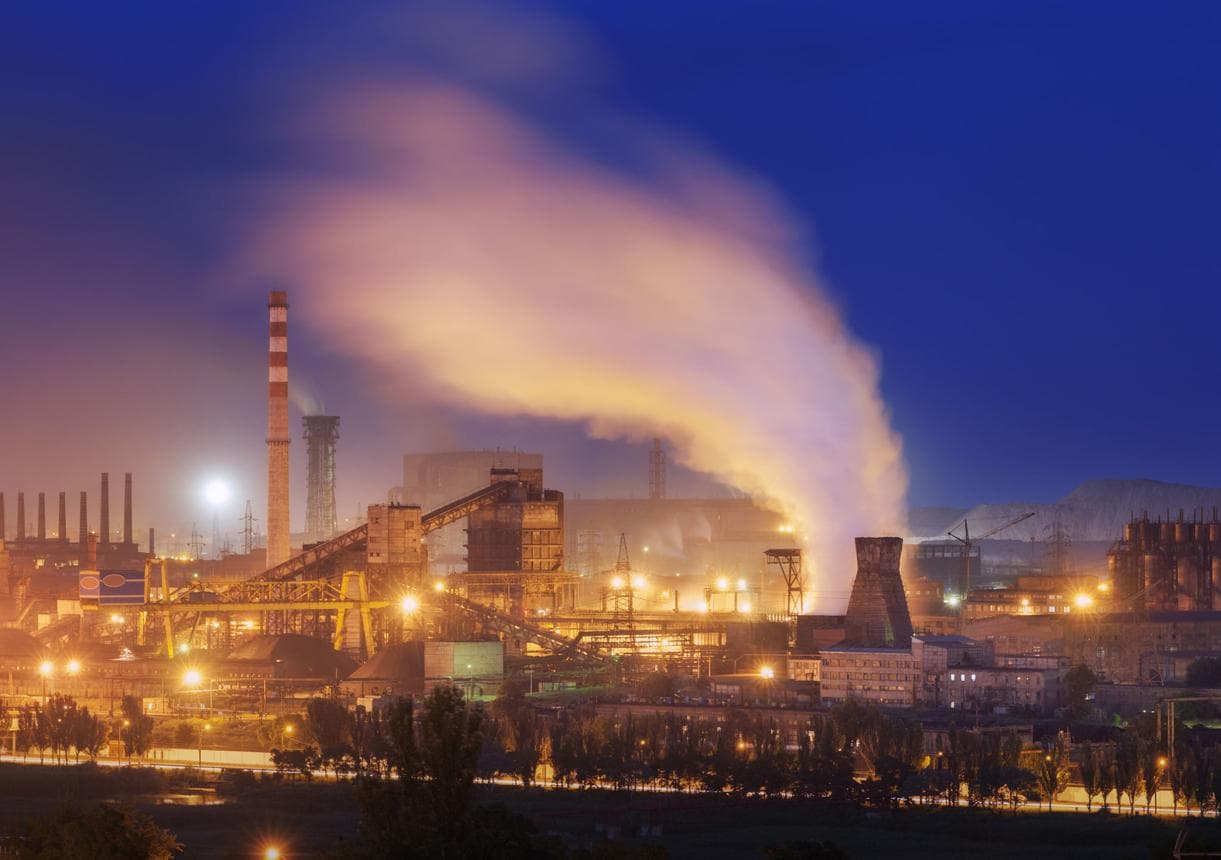
Luxembourg: When the Council gave its final approval on 8 June to a new steel safeguard, it closed one of the most consequential trade decisions the Union has taken this year with remarkably little public notice. The measure, which begins to apply on 1 July as the old safeguard expires, cuts the volume of steel that can enter the bloc duty-free by roughly 47 percent against 2024 levels and lifts the tariff on imports beyond that quota to 50 percent, double the previous rate. For an industry that has spent a decade complaining of being undercut, it is the most forceful protection Brussels has offered.

The justification is global overcapacity, a polite term for the structural glut of steel produced beyond what the world economy can absorb, much of it benefiting from subsidies that European mills cannot match. The Commission’s Steel and Metals Action Plan framed the sector as both economically important and strategically essential, the latter argument gaining weight as defence spending rises and governments rediscover the value of being able to make their own armour, shells and infrastructure. Steel has quietly migrated from an ordinary industrial good to a security input, and trade policy has followed.

The mechanics deserve attention because they reach beyond tariffs. From October, importers will have to document the country where steel was melted and poured, a rule aimed squarely at transshipment, whereby metal from an overcapacity producer is lightly processed in a third country to launder its origin. Closing that loophole is as significant as the headline quota cut, since safeguards are only as strong as their weakest point of entry. Stainless and specialty producers in particular are already redrawing their supply maps in anticipation.

The cost of this protection will not fall on foreign mills alone. European manufacturers that buy steel, namely carmakers, appliance makers, construction firms and the engineering sector, face higher input prices at a moment when many are already squeezed. A safeguard that rescues upstream producers can tax the far larger downstream workforce that turns steel into finished goods. The Union is betting that a viable domestic steel base is worth that price, but the bet is not cost-free, and the distributional question of who pays will sharpen if prices climb.

There is a trade-diplomacy dimension that Brussels would prefer to manage quietly. A 50 percent out-of-quota duty is steep enough to provoke complaint at the World Trade Organization and to invite retaliation, particularly from partners who supply specialty grades the Union does not make in volume. The melt-and-pour requirement, while defensible, adds friction for every exporter, including allies. The Commission will argue the measure is a legitimate response to distortion rather than disguised protectionism, but the line between the two is exactly what disputes are fought over.

The timing is no accident. With defence budgets expanding and supply-chain resilience now an organising principle of Union policy, a healthy steel sector has acquired a political constituency it lacked when the argument was purely commercial. That coalition makes the safeguard durable in a way earlier, weaker measures were not. The risk is complacency, namely that shelter from imports relieves the pressure to modernise and decarbonise that European mills still urgently need. Protection can buy time for transformation or substitute for it. Which of those the next few years deliver will decide whether 1 July marks the rescue of an industry or merely the deferral of its reckoning.