August 9, 2026
LATEST
New EU Gas Market Rules Take Effect With Consumer SafeguardsDeforestation Regulation Holds Its December Deadline Despite CutsDigital Omnibus Delays Europe’s High-Risk AI Deadline to 2027Europe’s Schools Confront a Widening Basic Skills GapRule of Law Report Finds Progress but Trust Still LagsIRIS2 Gains 66 Satellites as Brussels Signs the Rollout DealNature Restoration Plans Come Due as Member States Race a DeadlineECB Rates Hold at 2.25 Percent as Frankfurt Waits on the DataEU Budget Talks Turn to Cohesion as Ireland Takes OverWildfire Response Stretches Europe’s Emergency Fleet ThinCan Europe’s Quantum Plan Match Its Big Ambitions?Armenia Edges West as Moscow’s Grip Slips AwayEurope Inherits the World’s Aid Bill It Cannot Fully PayAir Passenger Rights Get Their First Overhaul in Two DecadesErasmus Opens a 5 Billion Euro Round for Skills and MobilityCeuta Crisis Pushes the EU Toward Faster Migrant ReturnsBulky Parcels Face a Packaging Crackdown From August 12Can Europe Build Its Drone Wall Before 2030 Arrives?Indonesia’s Trade Deal With Europe Nears Its Final SignatureEurope Leans on Beijing to Keep Climate Talks Alive Before AntalyaNew EU Gas Market Rules Take Effect With Consumer SafeguardsDeforestation Regulation Holds Its December Deadline Despite CutsDigital Omnibus Delays Europe’s High-Risk AI Deadline to 2027Europe’s Schools Confront a Widening Basic Skills GapRule of Law Report Finds Progress but Trust Still LagsIRIS2 Gains 66 Satellites as Brussels Signs the Rollout DealNature Restoration Plans Come Due as Member States Race a DeadlineECB Rates Hold at 2.25 Percent as Frankfurt Waits on the DataEU Budget Talks Turn to Cohesion as Ireland Takes OverWildfire Response Stretches Europe’s Emergency Fleet ThinCan Europe’s Quantum Plan Match Its Big Ambitions?Armenia Edges West as Moscow’s Grip Slips AwayEurope Inherits the World’s Aid Bill It Cannot Fully PayAir Passenger Rights Get Their First Overhaul in Two DecadesErasmus Opens a 5 Billion Euro Round for Skills and MobilityCeuta Crisis Pushes the EU Toward Faster Migrant ReturnsBulky Parcels Face a Packaging Crackdown From August 12Can Europe Build Its Drone Wall Before 2030 Arrives?Indonesia’s Trade Deal With Europe Nears Its Final SignatureEurope Leans on Beijing to Keep Climate Talks Alive Before Antalya
August 9, 2026
LATEST
New EU Gas Market Rules Take Effect With Consumer SafeguardsDeforestation Regulation Holds Its December Deadline Despite CutsDigital Omnibus Delays Europe’s High-Risk AI Deadline to 2027Europe’s Schools Confront a Widening Basic Skills GapRule of Law Report Finds Progress but Trust Still LagsIRIS2 Gains 66 Satellites as Brussels Signs the Rollout DealNature Restoration Plans Come Due as Member States Race a DeadlineECB Rates Hold at 2.25 Percent as Frankfurt Waits on the DataEU Budget Talks Turn to Cohesion as Ireland Takes OverWildfire Response Stretches Europe’s Emergency Fleet ThinCan Europe’s Quantum Plan Match Its Big Ambitions?Armenia Edges West as Moscow’s Grip Slips AwayEurope Inherits the World’s Aid Bill It Cannot Fully PayAir Passenger Rights Get Their First Overhaul in Two DecadesErasmus Opens a 5 Billion Euro Round for Skills and MobilityCeuta Crisis Pushes the EU Toward Faster Migrant ReturnsBulky Parcels Face a Packaging Crackdown From August 12Can Europe Build Its Drone Wall Before 2030 Arrives?Indonesia’s Trade Deal With Europe Nears Its Final SignatureEurope Leans on Beijing to Keep Climate Talks Alive Before AntalyaNew EU Gas Market Rules Take Effect With Consumer SafeguardsDeforestation Regulation Holds Its December Deadline Despite CutsDigital Omnibus Delays Europe’s High-Risk AI Deadline to 2027Europe’s Schools Confront a Widening Basic Skills GapRule of Law Report Finds Progress but Trust Still LagsIRIS2 Gains 66 Satellites as Brussels Signs the Rollout DealNature Restoration Plans Come Due as Member States Race a DeadlineECB Rates Hold at 2.25 Percent as Frankfurt Waits on the DataEU Budget Talks Turn to Cohesion as Ireland Takes OverWildfire Response Stretches Europe’s Emergency Fleet ThinCan Europe’s Quantum Plan Match Its Big Ambitions?Armenia Edges West as Moscow’s Grip Slips AwayEurope Inherits the World’s Aid Bill It Cannot Fully PayAir Passenger Rights Get Their First Overhaul in Two DecadesErasmus Opens a 5 Billion Euro Round for Skills and MobilityCeuta Crisis Pushes the EU Toward Faster Migrant ReturnsBulky Parcels Face a Packaging Crackdown From August 12Can Europe Build Its Drone Wall Before 2030 Arrives?Indonesia’s Trade Deal With Europe Nears Its Final SignatureEurope Leans on Beijing to Keep Climate Talks Alive Before Antalya

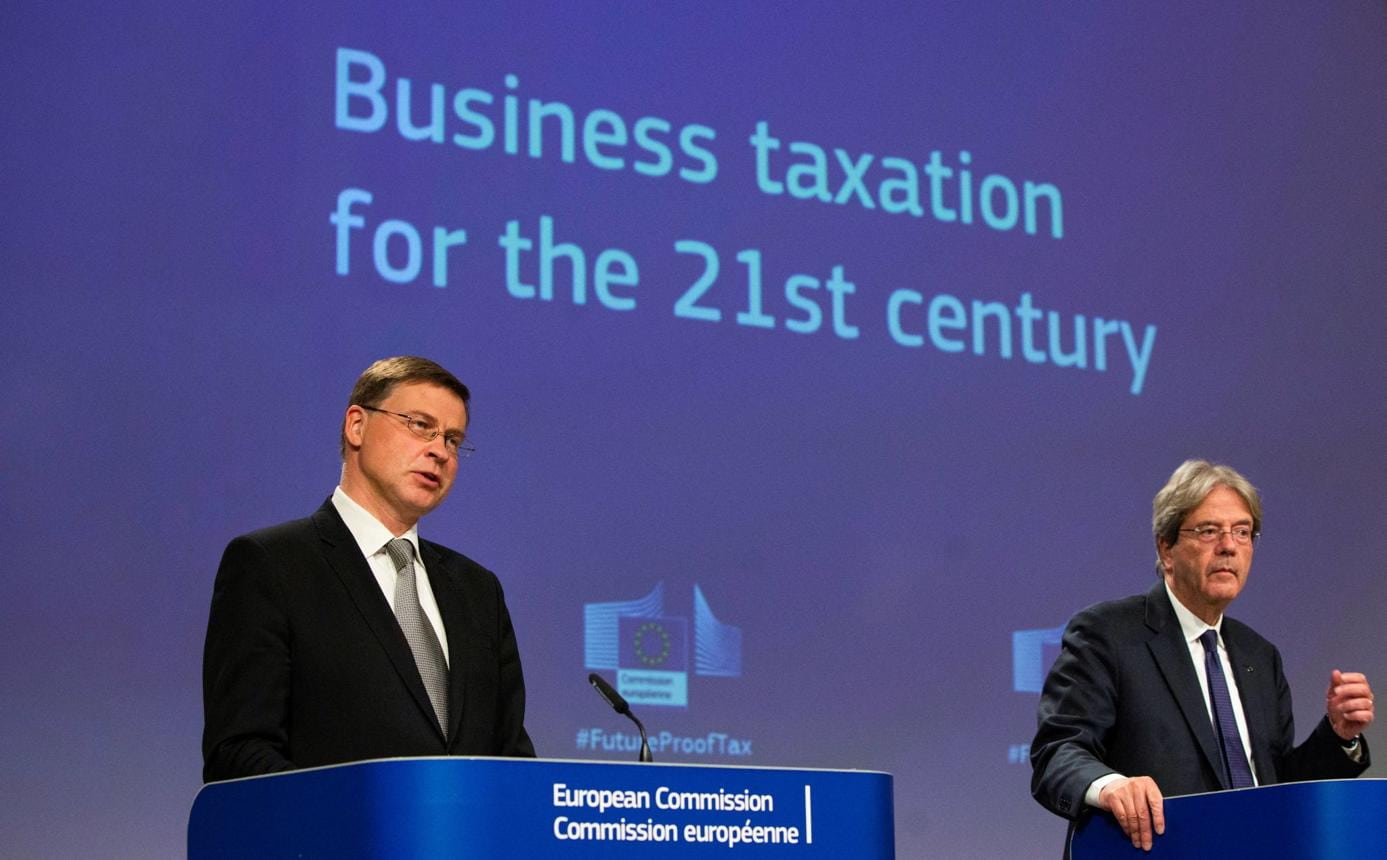
Tax Simplification Push Could Rewrite Five Core EU Directives

Luxembourg: In the Grand Duchy’s financial district, where a disproportionate share of Europe’s cross-border corporate structures are administered, tax advisers have spent the spring poring over a Commission call for evidence that closed in March, the first formal step toward what could be the most significant rewrite of EU corporate tax law in years.

The European Commission intends to propose an omnibus directive on direct taxation by the end of June 2026, aimed at streamlining how several long-standing pieces of EU tax legislation interact. The directives in scope include the Interest and Royalties Directive, which prevents double taxation on cross-border payments between associated companies; the Tax Merger Directive, covering cross-border reorganisations; the Parent-Subsidiary Directive, which exempts certain intra-group dividends from withholding tax; the Anti-Tax Avoidance Directive, or ATAD, the bloc’s main anti-abuse framework since 2016; and the Tax Dispute Resolution Mechanisms Directive, which governs how member states resolve disagreements over double taxation.

Commission officials are at pains to describe the initiative as a simplification exercise rather than a new harmonisation drive. The call for evidence framed the goal explicitly as cutting administrative burdens for businesses operating across borders and improving how the existing directives function together, not introducing new tax measures. That framing fits a broader pattern in the Commission’s 2026 tax agenda, which tax policy analysts describe as a deliberate pivot away from the ambitious harmonisation projects of recent years, such as the long-stalled common corporate tax base proposals, toward smaller, technical simplification measures and non-binding guidance.

The proposal is not without risk for those who see ATAD as a cornerstone of the EU’s response to corporate tax avoidance. Civil society groups that track EU tax policy have warned that any “simplification” of ATAD’s general anti-abuse rule or its controlled foreign company provisions could, even unintentionally, narrow the scope of anti-avoidance enforcement at a time when member states are already under pressure to close revenue gaps. The Commission has not signalled an intention to weaken ATAD’s substantive provisions, but the omnibus approach, bundling several directives into a single legislative vehicle, means amendments to one directive could move through the legislative process attached to changes that attract far less scrutiny.

Tax legislation requires unanimity among member states in the Council, a threshold that has stalled more ambitious EU tax proposals for years. Advisers in Luxembourg say that political reality is precisely why the Commission has framed this package as technical rather than substantive: a genuinely uncontroversial simplification proposal stands a far better chance of clearing that bar than anything resembling a new harmonised tax base. Whether the directive, once published, is read the same way by all twenty-seven capitals remains the open question.