August 9, 2026
LATEST
New EU Gas Market Rules Take Effect With Consumer SafeguardsDeforestation Regulation Holds Its December Deadline Despite CutsDigital Omnibus Delays Europe’s High-Risk AI Deadline to 2027Europe’s Schools Confront a Widening Basic Skills GapRule of Law Report Finds Progress but Trust Still LagsIRIS2 Gains 66 Satellites as Brussels Signs the Rollout DealNature Restoration Plans Come Due as Member States Race a DeadlineECB Rates Hold at 2.25 Percent as Frankfurt Waits on the DataEU Budget Talks Turn to Cohesion as Ireland Takes OverWildfire Response Stretches Europe’s Emergency Fleet ThinCan Europe’s Quantum Plan Match Its Big Ambitions?Armenia Edges West as Moscow’s Grip Slips AwayEurope Inherits the World’s Aid Bill It Cannot Fully PayAir Passenger Rights Get Their First Overhaul in Two DecadesErasmus Opens a 5 Billion Euro Round for Skills and MobilityCeuta Crisis Pushes the EU Toward Faster Migrant ReturnsBulky Parcels Face a Packaging Crackdown From August 12Can Europe Build Its Drone Wall Before 2030 Arrives?Indonesia’s Trade Deal With Europe Nears Its Final SignatureEurope Leans on Beijing to Keep Climate Talks Alive Before AntalyaNew EU Gas Market Rules Take Effect With Consumer SafeguardsDeforestation Regulation Holds Its December Deadline Despite CutsDigital Omnibus Delays Europe’s High-Risk AI Deadline to 2027Europe’s Schools Confront a Widening Basic Skills GapRule of Law Report Finds Progress but Trust Still LagsIRIS2 Gains 66 Satellites as Brussels Signs the Rollout DealNature Restoration Plans Come Due as Member States Race a DeadlineECB Rates Hold at 2.25 Percent as Frankfurt Waits on the DataEU Budget Talks Turn to Cohesion as Ireland Takes OverWildfire Response Stretches Europe’s Emergency Fleet ThinCan Europe’s Quantum Plan Match Its Big Ambitions?Armenia Edges West as Moscow’s Grip Slips AwayEurope Inherits the World’s Aid Bill It Cannot Fully PayAir Passenger Rights Get Their First Overhaul in Two DecadesErasmus Opens a 5 Billion Euro Round for Skills and MobilityCeuta Crisis Pushes the EU Toward Faster Migrant ReturnsBulky Parcels Face a Packaging Crackdown From August 12Can Europe Build Its Drone Wall Before 2030 Arrives?Indonesia’s Trade Deal With Europe Nears Its Final SignatureEurope Leans on Beijing to Keep Climate Talks Alive Before Antalya
August 9, 2026
LATEST
New EU Gas Market Rules Take Effect With Consumer SafeguardsDeforestation Regulation Holds Its December Deadline Despite CutsDigital Omnibus Delays Europe’s High-Risk AI Deadline to 2027Europe’s Schools Confront a Widening Basic Skills GapRule of Law Report Finds Progress but Trust Still LagsIRIS2 Gains 66 Satellites as Brussels Signs the Rollout DealNature Restoration Plans Come Due as Member States Race a DeadlineECB Rates Hold at 2.25 Percent as Frankfurt Waits on the DataEU Budget Talks Turn to Cohesion as Ireland Takes OverWildfire Response Stretches Europe’s Emergency Fleet ThinCan Europe’s Quantum Plan Match Its Big Ambitions?Armenia Edges West as Moscow’s Grip Slips AwayEurope Inherits the World’s Aid Bill It Cannot Fully PayAir Passenger Rights Get Their First Overhaul in Two DecadesErasmus Opens a 5 Billion Euro Round for Skills and MobilityCeuta Crisis Pushes the EU Toward Faster Migrant ReturnsBulky Parcels Face a Packaging Crackdown From August 12Can Europe Build Its Drone Wall Before 2030 Arrives?Indonesia’s Trade Deal With Europe Nears Its Final SignatureEurope Leans on Beijing to Keep Climate Talks Alive Before AntalyaNew EU Gas Market Rules Take Effect With Consumer SafeguardsDeforestation Regulation Holds Its December Deadline Despite CutsDigital Omnibus Delays Europe’s High-Risk AI Deadline to 2027Europe’s Schools Confront a Widening Basic Skills GapRule of Law Report Finds Progress but Trust Still LagsIRIS2 Gains 66 Satellites as Brussels Signs the Rollout DealNature Restoration Plans Come Due as Member States Race a DeadlineECB Rates Hold at 2.25 Percent as Frankfurt Waits on the DataEU Budget Talks Turn to Cohesion as Ireland Takes OverWildfire Response Stretches Europe’s Emergency Fleet ThinCan Europe’s Quantum Plan Match Its Big Ambitions?Armenia Edges West as Moscow’s Grip Slips AwayEurope Inherits the World’s Aid Bill It Cannot Fully PayAir Passenger Rights Get Their First Overhaul in Two DecadesErasmus Opens a 5 Billion Euro Round for Skills and MobilityCeuta Crisis Pushes the EU Toward Faster Migrant ReturnsBulky Parcels Face a Packaging Crackdown From August 12Can Europe Build Its Drone Wall Before 2030 Arrives?Indonesia’s Trade Deal With Europe Nears Its Final SignatureEurope Leans on Beijing to Keep Climate Talks Alive Before Antalya

Illegal Fishing Warnings Lifted For Two Island Economies

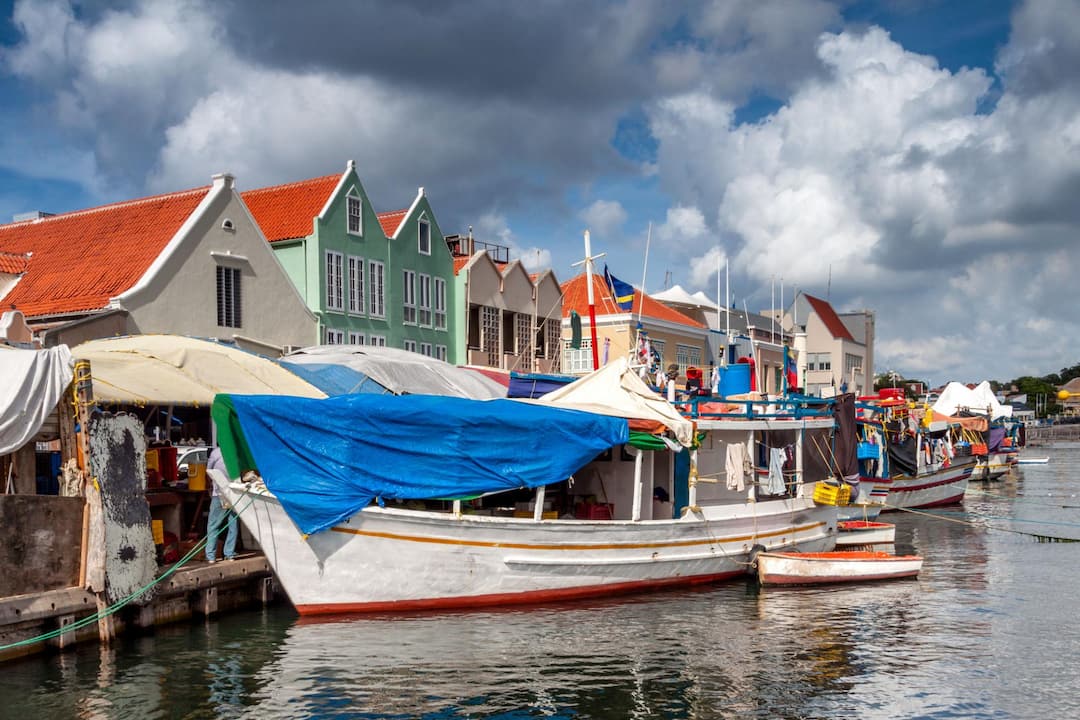
Willemstad: In the harbour of the Caribbean island of Curaçao, where fishing boats share the water with cargo ships and cruise liners, a quiet bureaucratic decision in faraway Europe carries real commercial weight. The European Commission has lifted the so-called yellow card it had imposed on Curaçao and on the Solomon Islands in the Pacific, judging that both have made enough progress in tackling illegal, unreported and unregulated fishing to be cleared of the warning. The same week, it issued a fresh yellow card to Senegal, opening a new chapter in one of the Union’s least understood but most consequential trade tools.

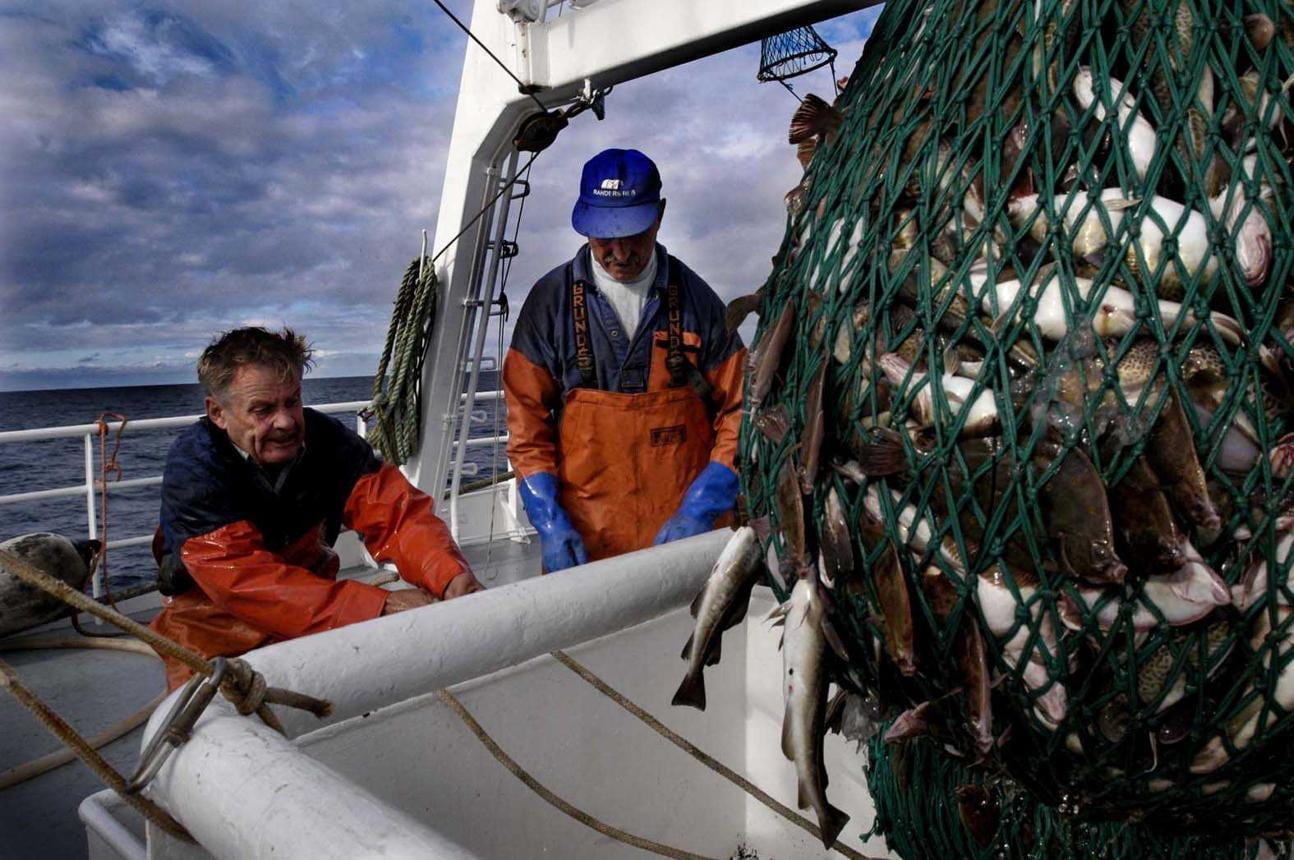
The carding scheme is the enforcement arm of the EU’s regulation against illegal fishing, in force since 2010 and aimed squarely at the catch that enters the European market. The logic is leverage. The Union is one of the largest importers of seafood in the world, and access to its market is a privilege it can withhold. A yellow card is a formal warning that a country is not doing enough to control the vessels that fly its flag or land in its ports, and it triggers a structured dialogue meant to fix the problem. A red card, the sanction of last resort, bans that country’s fisheries products from the EU altogether.

The instrument works precisely because the red card is rarely needed. Most carded countries move to address the deficiencies, tightening vessel registration, improving catch documentation and cooperating with international monitoring, and are then cleared, as Curaçao and the Solomon Islands have now been. The threat does the work the punishment would. Studies of the scheme over the past decade have found that the mere possibility of losing access to the European market has prompted reforms in fisheries governance far from European waters, in places with little other incentive to act.

For Curaçao the lifting of the card removes a shadow over its standing as a flag and port state. For the Solomon Islands, a Pacific nation whose waters sit at the heart of the world’s tuna trade, the clearance matters both commercially and reputationally, restoring its credentials in a region where illegal fishing drains billions from coastal economies each year. For Senegal, the new warning starts the clock on a dialogue it will be anxious to resolve, given how much West African fishing communities depend on legitimate access to export markets.

Critics argue the system is uneven, pressing hardest on smaller and poorer flag states while larger players negotiate quietly, and campaigners point to loopholes in vessel registration that let operators slip between jurisdictions to escape scrutiny. The Commission counters that the scheme has measurably raised standards worldwide.

In Willemstad the practical effect is simple enough. Boats can land their catch knowing the route to European buyers is clear again, and an island that depends on the sea has, for now, kept its place in a trading system that Europe polices from a continent away.