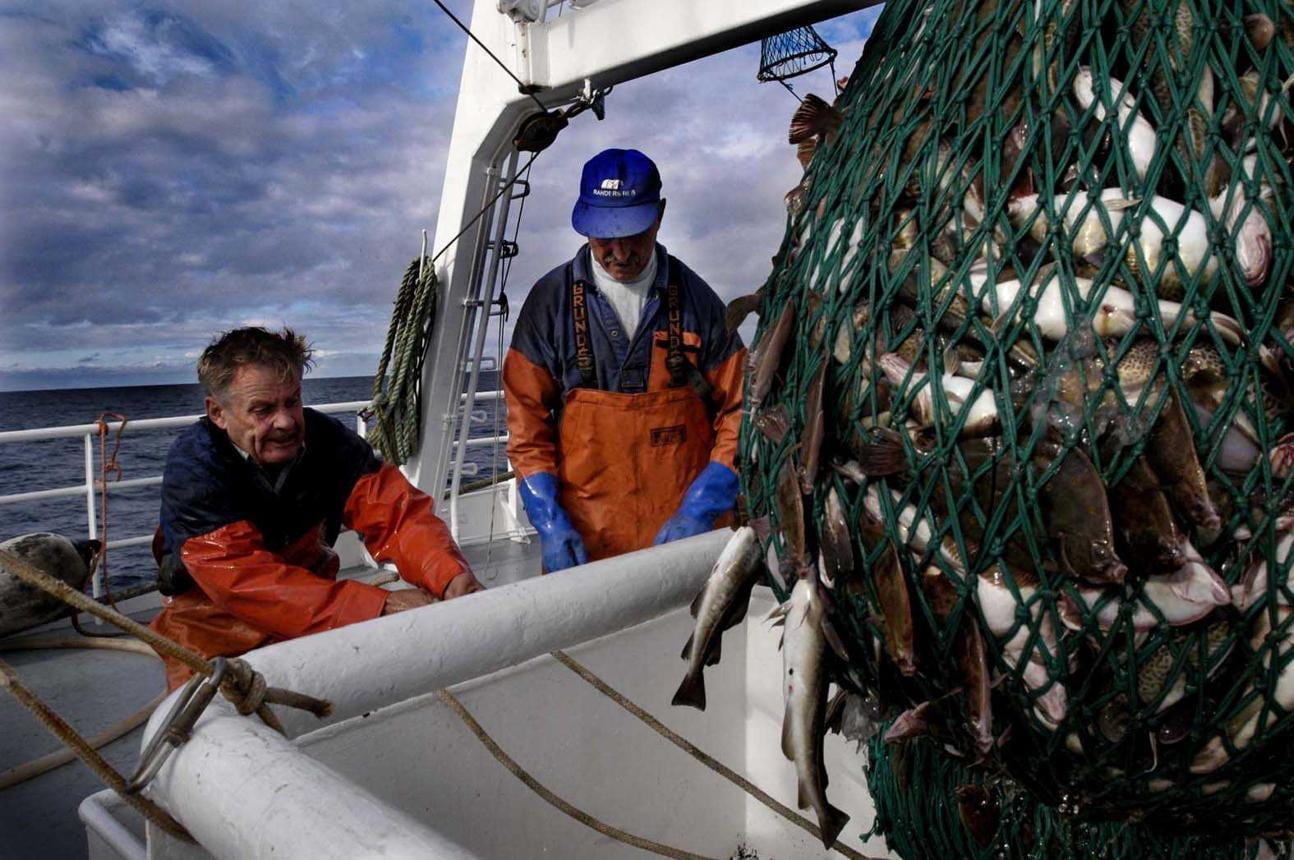
Gdansk: The annual health check on Europe’s fishing grounds has arrived with a split verdict: the long, painful effort to fish less and fish smarter is working in much of the Atlantic, but parts of the Baltic and the Mediterranean are sliding the other way. The European Commission published its yearly communication on the state of European fisheries on 5 June, and its message is that decades of catch limits have pulled many commercial stocks back toward sustainability while a stubborn minority keeps deteriorating.
The core measure is maximum sustainable yield, the largest catch that can be taken year after year without exhausting a stock. In the north-east Atlantic the picture is broadly encouraging, with a large majority of managed stocks now fished at or below that level, a turnaround that would have looked improbable a generation ago when overfishing was the rule. The recovery is the cumulative payoff of unpopular decisions: quotas that cut into fishing communities’ incomes in the short term to let populations rebuild.
The trouble lies in enclosed and pressured seas. In the Baltic, several once-abundant stocks remain in poor shape, squeezed not only by fishing but by warming water, oxygen-starved depths and nutrient runoff that no quota can directly fix. The Western Mediterranean, long the EU’s most overfished basin, continues to struggle despite multi-year recovery plans. These are the places where the gap between policy on paper and fish in the water is widest.
For coastal communities the report is more than a scorecard. Fishing fleets, processors and the towns that depend on them live or die by these numbers, which feed directly into the catch limits negotiated each December. A healthier Atlantic means more room to fish; a collapsing Baltic stock means tighter restrictions and, often, vessels tied up at the quay. The findings also shape Europe’s food security debate, where domestic seafood is increasingly framed as a strategic asset rather than a lifestyle good.
Industry groups urge the Commission not to read the data too narrowly. Europeche, which represents fishers, argues that quotas alone cannot explain stock declines and that pollution, habitat loss, predation and the cumulative weight of every human activity at sea must be weighed before fishers shoulder yet more cuts. They want measures that are proportionate, evidence-based and mindful of the communities that produce Europe’s food, a pointed counter to environmental groups pressing for faster reductions.
The report also sets the stage for a bigger argument. The Commission is preparing a Vision 2040 for Fisheries and Aquaculture, expected in September, that promises to pursue ecological and economic goals together rather than treating them as rivals. How it proposes to rescue the Baltic and the Mediterranean without hollowing out their fleets will be the real test, and the December round of quota talks will show whether this year’s cautious optimism survives contact with national interests.