After thirteen years of deadlock, Europe is finally close to rewriting the rulebook that governs what happens when a flight is delayed, cancelled or overbooked. The provisional deal struck between the European Parliament and the Council on 15 June is now heading to a full plenary vote expected this month, and its passage would mark the first substantive update to Regulation 261/2004 since it took effect two decades ago. For a file that has outlasted several Commissions, the significance is as much political as practical: it shows the co-legislators can still close a consumer dossier that airlines and member states had fought to a standstill.
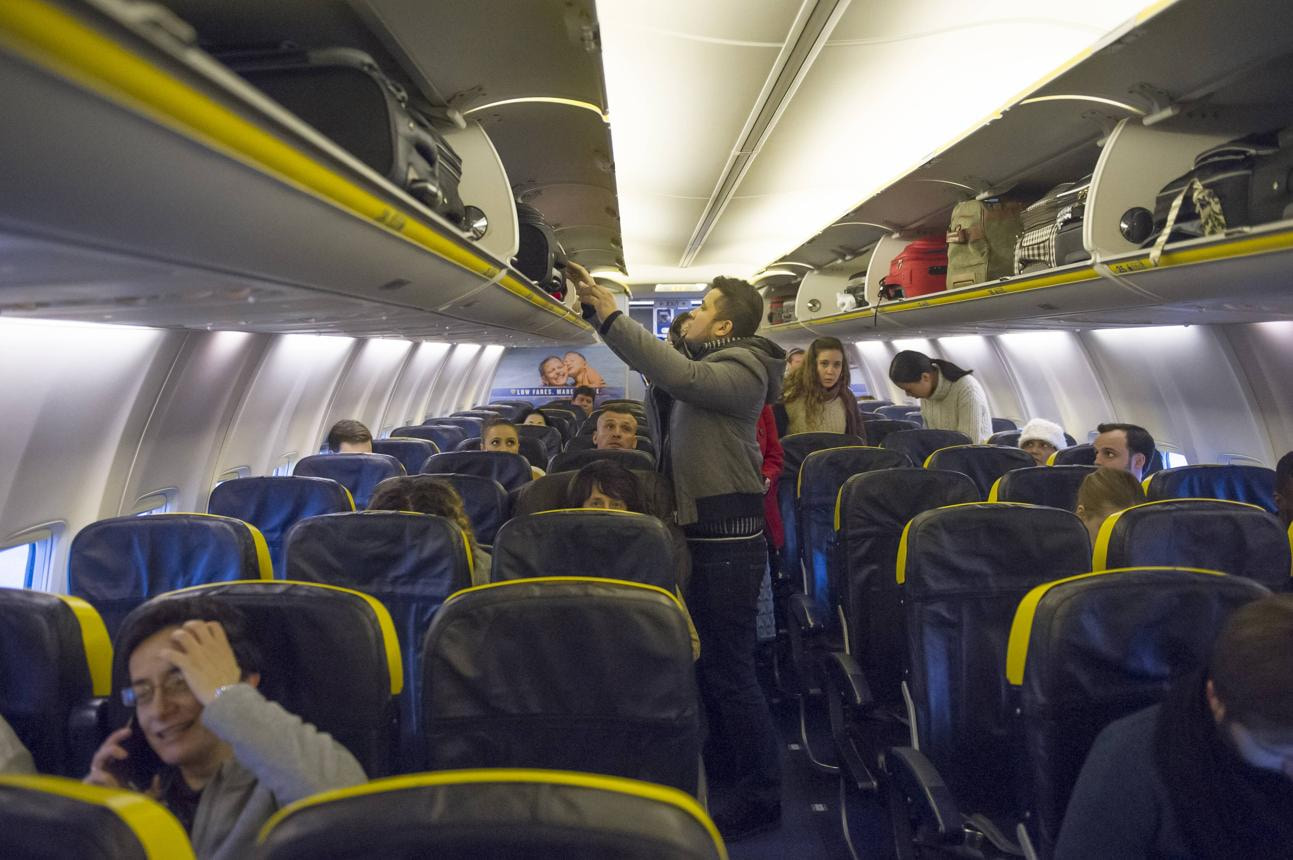
The headline win for passengers is on the tarmac before boarding. Under the agreed text, a standard personal item and a small cabin bag must travel free of charge as part of the basic fare, ending years of unbundling that turned hand luggage into a paid extra on low-cost carriers. Airlines would also be barred from charging fees to correct minor spelling mistakes in a passenger’s name, and from separating young children from the adults travelling with them unless customers pay to sit together. Each of these targets a grievance that generated thousands of complaints and a steady stream of litigation across national courts.
Yet the reform is a compromise, and consumer groups did not get everything they wanted. The three-hour threshold that triggers compensation survives, having withstood a determined push during negotiations to stretch it to four or even six hours for longer routes. That outcome matters enormously: raising the bar would have stripped compensation rights from a large share of delayed travellers in one stroke. Payouts themselves remain banded between 250 and 600 euros depending on distance, preserving the architecture that made the regulation a model copied well beyond Europe.
The industry frames the package differently. Carriers argue that clearer definitions of extraordinary circumstances, tighter complaint procedures and codified case law will reduce the legal uncertainty that has dogged the sector, allowing them to budget for claims rather than fight each one. There is truth in that. Much of the reform simply writes existing Court of Justice rulings into statute, converting judge-made law into predictable text. The question is whether predictability comes at the cost of coverage, and passenger advocates will scrutinise the fine print on what counts as an airline’s own fault.
Two caveats temper the celebration. First, plenary approval is not a formality, even if the political groups that negotiated the deal command a comfortable majority; amendments and abstentions could still reshape the mood. Second, and more consequentially for travellers, the new rules would not enter into force until the second half of 2027, giving airlines time to rebuild fare structures, booking systems and contracts. Anyone counting on a free cabin bag this summer will be disappointed.
Still, the direction is clear. Brussels has chosen to reinforce a consumer-protection instrument at a moment when deregulatory pressure is fashionable elsewhere, betting that predictable passenger rights are compatible with a competitive aviation market. If the plenary holds, the deal will stand as evidence that long-stalled files can move when the political will finally aligns, and that the traveller checking a boarding pass remains, for now, a protected figure in EU law.