August 9, 2026
LATEST
New EU Gas Market Rules Take Effect With Consumer SafeguardsDeforestation Regulation Holds Its December Deadline Despite CutsDigital Omnibus Delays Europe’s High-Risk AI Deadline to 2027Europe’s Schools Confront a Widening Basic Skills GapRule of Law Report Finds Progress but Trust Still LagsIRIS2 Gains 66 Satellites as Brussels Signs the Rollout DealNature Restoration Plans Come Due as Member States Race a DeadlineECB Rates Hold at 2.25 Percent as Frankfurt Waits on the DataEU Budget Talks Turn to Cohesion as Ireland Takes OverWildfire Response Stretches Europe’s Emergency Fleet ThinCan Europe’s Quantum Plan Match Its Big Ambitions?Armenia Edges West as Moscow’s Grip Slips AwayEurope Inherits the World’s Aid Bill It Cannot Fully PayAir Passenger Rights Get Their First Overhaul in Two DecadesErasmus Opens a 5 Billion Euro Round for Skills and MobilityCeuta Crisis Pushes the EU Toward Faster Migrant ReturnsBulky Parcels Face a Packaging Crackdown From August 12Can Europe Build Its Drone Wall Before 2030 Arrives?Indonesia’s Trade Deal With Europe Nears Its Final SignatureEurope Leans on Beijing to Keep Climate Talks Alive Before AntalyaNew EU Gas Market Rules Take Effect With Consumer SafeguardsDeforestation Regulation Holds Its December Deadline Despite CutsDigital Omnibus Delays Europe’s High-Risk AI Deadline to 2027Europe’s Schools Confront a Widening Basic Skills GapRule of Law Report Finds Progress but Trust Still LagsIRIS2 Gains 66 Satellites as Brussels Signs the Rollout DealNature Restoration Plans Come Due as Member States Race a DeadlineECB Rates Hold at 2.25 Percent as Frankfurt Waits on the DataEU Budget Talks Turn to Cohesion as Ireland Takes OverWildfire Response Stretches Europe’s Emergency Fleet ThinCan Europe’s Quantum Plan Match Its Big Ambitions?Armenia Edges West as Moscow’s Grip Slips AwayEurope Inherits the World’s Aid Bill It Cannot Fully PayAir Passenger Rights Get Their First Overhaul in Two DecadesErasmus Opens a 5 Billion Euro Round for Skills and MobilityCeuta Crisis Pushes the EU Toward Faster Migrant ReturnsBulky Parcels Face a Packaging Crackdown From August 12Can Europe Build Its Drone Wall Before 2030 Arrives?Indonesia’s Trade Deal With Europe Nears Its Final SignatureEurope Leans on Beijing to Keep Climate Talks Alive Before Antalya
August 9, 2026
LATEST
New EU Gas Market Rules Take Effect With Consumer SafeguardsDeforestation Regulation Holds Its December Deadline Despite CutsDigital Omnibus Delays Europe’s High-Risk AI Deadline to 2027Europe’s Schools Confront a Widening Basic Skills GapRule of Law Report Finds Progress but Trust Still LagsIRIS2 Gains 66 Satellites as Brussels Signs the Rollout DealNature Restoration Plans Come Due as Member States Race a DeadlineECB Rates Hold at 2.25 Percent as Frankfurt Waits on the DataEU Budget Talks Turn to Cohesion as Ireland Takes OverWildfire Response Stretches Europe’s Emergency Fleet ThinCan Europe’s Quantum Plan Match Its Big Ambitions?Armenia Edges West as Moscow’s Grip Slips AwayEurope Inherits the World’s Aid Bill It Cannot Fully PayAir Passenger Rights Get Their First Overhaul in Two DecadesErasmus Opens a 5 Billion Euro Round for Skills and MobilityCeuta Crisis Pushes the EU Toward Faster Migrant ReturnsBulky Parcels Face a Packaging Crackdown From August 12Can Europe Build Its Drone Wall Before 2030 Arrives?Indonesia’s Trade Deal With Europe Nears Its Final SignatureEurope Leans on Beijing to Keep Climate Talks Alive Before AntalyaNew EU Gas Market Rules Take Effect With Consumer SafeguardsDeforestation Regulation Holds Its December Deadline Despite CutsDigital Omnibus Delays Europe’s High-Risk AI Deadline to 2027Europe’s Schools Confront a Widening Basic Skills GapRule of Law Report Finds Progress but Trust Still LagsIRIS2 Gains 66 Satellites as Brussels Signs the Rollout DealNature Restoration Plans Come Due as Member States Race a DeadlineECB Rates Hold at 2.25 Percent as Frankfurt Waits on the DataEU Budget Talks Turn to Cohesion as Ireland Takes OverWildfire Response Stretches Europe’s Emergency Fleet ThinCan Europe’s Quantum Plan Match Its Big Ambitions?Armenia Edges West as Moscow’s Grip Slips AwayEurope Inherits the World’s Aid Bill It Cannot Fully PayAir Passenger Rights Get Their First Overhaul in Two DecadesErasmus Opens a 5 Billion Euro Round for Skills and MobilityCeuta Crisis Pushes the EU Toward Faster Migrant ReturnsBulky Parcels Face a Packaging Crackdown From August 12Can Europe Build Its Drone Wall Before 2030 Arrives?Indonesia’s Trade Deal With Europe Nears Its Final SignatureEurope Leans on Beijing to Keep Climate Talks Alive Before Antalya

Antibiotic Vouchers Anchor Europe’s Biggest Pharma Overhaul

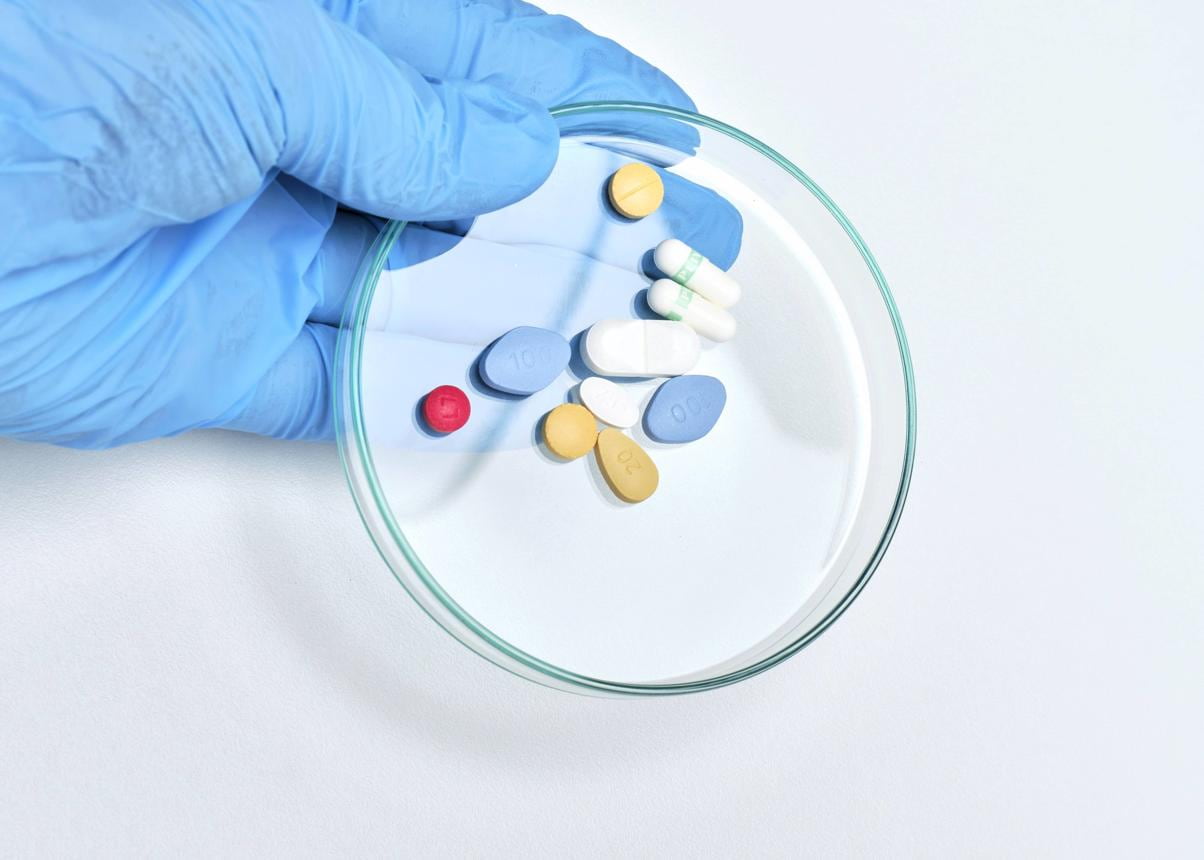
More than two decades after the last comprehensive rewrite, the European Union has settled the substance of the most far-reaching overhaul of its pharmaceutical rules in a generation. With the final compromise texts of a new regulation and directive published earlier this year, the so-called pharma package now moves toward entry into force in 2026 and full application after a transition that runs to 2028. The reform tries to do three difficult things at once: spur innovation, keep medicines affordable, and stop the shortages that have left pharmacy shelves bare across the continent.

The most debated instrument is the transferable exclusivity voucher for antimicrobials. Developers who bring a genuinely novel priority antibiotic to market would earn an extra year of regulatory protection that they can apply to a product of their choice, or sell to another company. The logic is that the market for new antibiotics is broken: society needs drugs it intends to use sparingly, which destroys the commercial case for developing them. The voucher manufactures an incentive without asking national health systems to write direct cheques. Critics counter that the cost is merely hidden, paid later through delayed competition on whichever blockbuster the voucher is attached to.

On the other side of the ledger sits a clear win for generic and biosimilar makers. The reform broadens the so-called Bolar exemption, the carve-out that lets competitors prepare to launch before a patent expires. Under the new wording, firms can run health technology assessments, secure pricing and reimbursement approvals and file procurement tenders without infringing the originator’s rights. The intended effect is a launch on the first lawful day rather than months later, squeezing the gap during which patients pay branded prices for medicines that could be cheaper.

Security of supply runs through the entire text. Marketing authorisation holders face enhanced obligations to keep products available, including a duty to supply a member state when asked, alongside earlier warning requirements when a shortage looms. The pandemic and the supply shocks that followed turned shortages from a clinical nuisance into a political emergency, and governments wanted enforceable commitments rather than goodwill. Whether paperwork can conjure resilience in supply chains that often trace back to a handful of factories in Asia is the open question.

The grand bargain at the heart of the package concerns data protection periods, the years during which a company’s clinical data cannot be used by rivals. Innovators wanted them preserved; payers and generic firms wanted them trimmed. The settled position offers a baseline period that can be extended if a company launches in every member state that requests the product within a set window. The incentive is deliberate: reward firms that make medicines available across the whole bloc, not just its wealthiest markets, where launches have traditionally landed first.

Industry reaction has been mixed, which is often the sign of a workable compromise. Research-based manufacturers warn that any reduction in baseline protection chips away at Europe’s attractiveness against the United States and a rising Chinese sector. Generic producers and patient groups argue the reform tilts a long-skewed balance back toward access. Both are partly right, and the real test lies in the transition years, when national systems must translate the new framework into pricing decisions, procurement rules and inspection regimes.

For patients, the promised gains are concrete but slow: cheaper generics arriving sooner, fewer empty shelves, and a fighting chance of new antibiotics before resistance outpaces the medicine cabinet. For the industry, the message is that access and innovation are now formally linked. Europe has chosen to reward companies that show up everywhere, and to penalise those that do not.