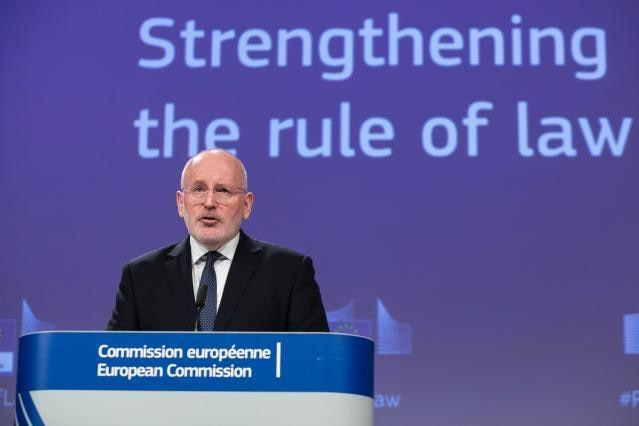
Commission Decision C(2026) 3172 final, adopted on 8 May 2026, has landed in the European aviation sector as the most consequential piece of regulatory navigation since the post-pandemic recovery period. The guidance, framed as an interpretation of existing EU law rather than a fresh set of obligations, tells airlines, airports and fuel suppliers how to operate the bloc’s rulebook through the disruption produced by the ongoing Middle East crisis. Officials at the Berlaymont have been explicit that the document does not rewrite the regulatory framework, but it relieves operators from several compliance pressure points that had become untenable as jet fuel supply chains rerouted through longer corridors and certain air and shipping lanes closed.
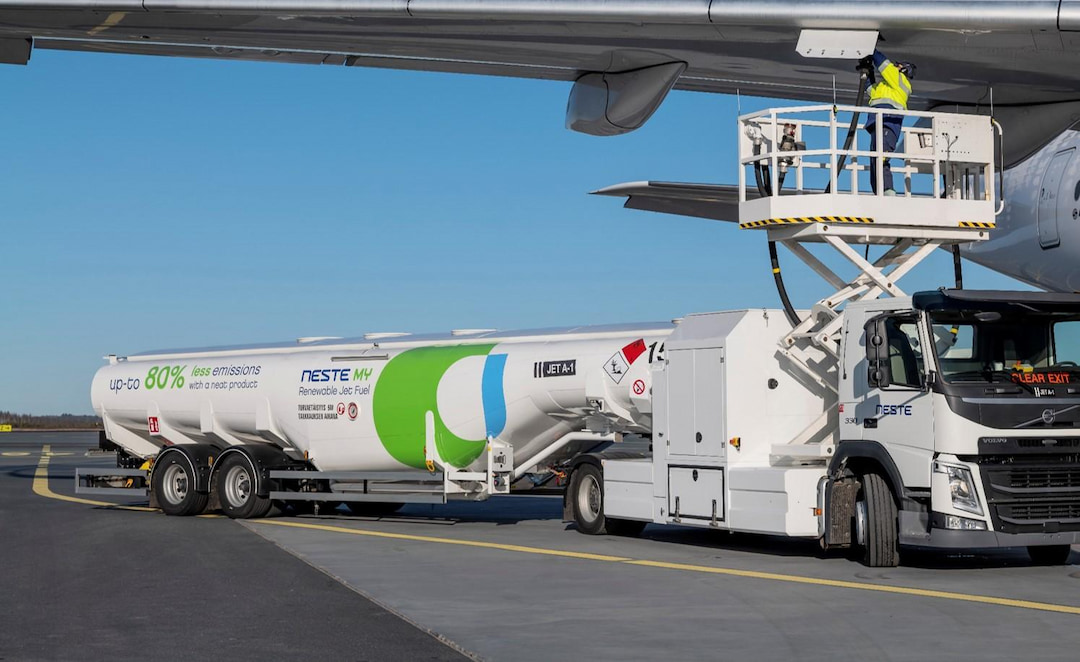
The headline reading concerns the 90 percent fuel uplift obligation embedded in the ReFuelEU Aviation Regulation. The Regulation has been designed to deter tankering, the practice of carrying extra fuel from cheaper departure airports to avoid uplifting at destination, by mandating that aircraft refuel for at least 90 percent of their annual fuel needs at the EU airports they serve. The May guidance confirms that airlines can be exempted from this obligation where safety rules require them to carry additional fuel from the departure airport. The carve-out is narrow on paper, anchored to scenarios where insufficient fuel availability at the destination could otherwise prevent the next flight from going ahead, but in practice it gives airline operations centres a clear procedural path through the months of supply turbulence that have already disrupted hub schedules at major European airports.
The Slot Regulation is the second instrument the guidance reads in operators’ favour. Carriers facing fuel-supply problems at airports can rely on the “justified non-use of slots” framework without being penalised for failing to operate against allocations, an interpretation that protects historic slot rights through the disruption window. Coordinators at Schiphol, Frankfurt and Paris Charles de Gaulle had been pressing the Commission for clarity since fuel reroutings began to disrupt block-time planning in late April. The text now in circulation should keep summer schedules workable even where individual rotations are cancelled or consolidated.
Passenger protection is treated as a parallel track. The guidance walks through Regulation 261/2004 in the context of fuel-driven disruption, confirming reroute, compensation and care obligations remain in force, while reminding carriers that extraordinary circumstances exemptions apply in narrowly defined cases. National enforcement bodies have already begun translating the framework into their own compliance bulletins, with the German Luftfahrt-Bundesamt and the Italian ENAC moving first.
Two adjacent pieces complete the package. The European Union Aviation Safety Agency issued a Safety Information Bulletin on the safe usage of Jet A aviation fuel in Europe, an unusual move that recognises the entry of alternative supply batches into the European pool. And the Commission’s guidance to the maritime side of the file confirms flexibility on port-call obligations under FuelEU Maritime where supply disruption forces operational rerouting.
The political read-out from the guidance is that the Commission is willing to operate inside its existing rulebook with maximum elasticity before reaching for emergency legislative instruments. Industry associations including Airlines for Europe and the European Regions Airline Association have signalled qualified relief, while environment groups have pressed for explicit time limits on the exemptions. Member-state aviation ministries will return to the file at the next informal Transport Council in June with a clearer evidence base on how the Middle East disruption has propagated through summer planning.