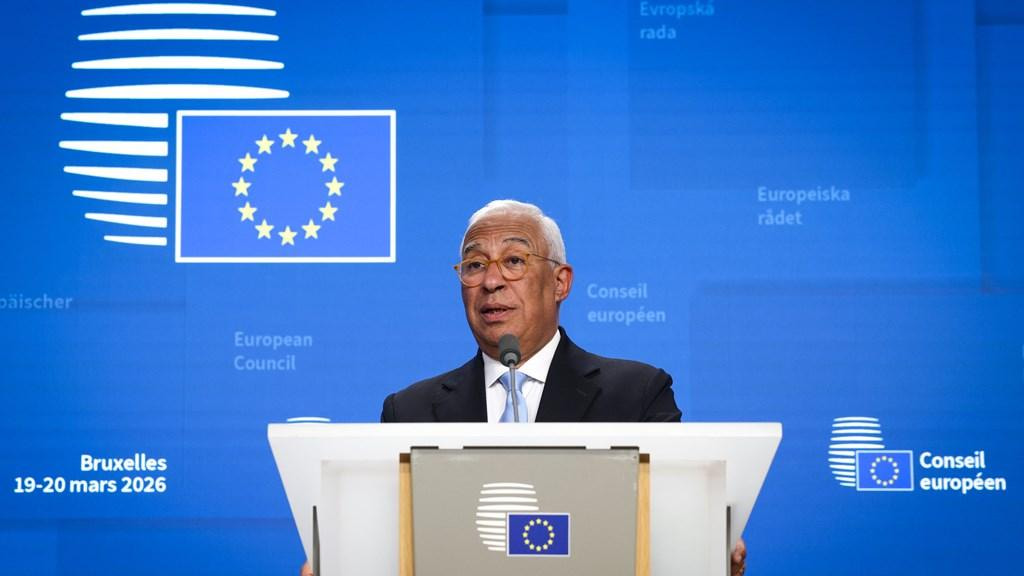
The Schengen border checks that Italy and Spain have imposed on each other since the summer are now on course to end, after Prime Ministers Giorgia Meloni and Pedro Sánchez held their first face-to-face meeting in months on the sidelines of the 15 and 16 October European Council in Brussels. On Friday 16 October, Italy extended its controls on arrivals from Spain by a further seven days, so that both countries’ measures now expire on the same date, 22 October.
The dispute began with the Ceuta crisis. In late July, a mass crossing from Morocco into the Spanish exclave brought somewhere between 72,000 and almost 90,000 people into the city, depending on the count. Italy responded on 1 August by suspending Schengen free movement with Spain for one month, citing security. It then renewed the measure three times, in 15-day steps. Spain, which considered the Italian move unjustified, introduced reciprocal checks on 8 August, citing migration pressure on the Central Mediterranean route and unauthorised onward movements, and renewed them in turn.
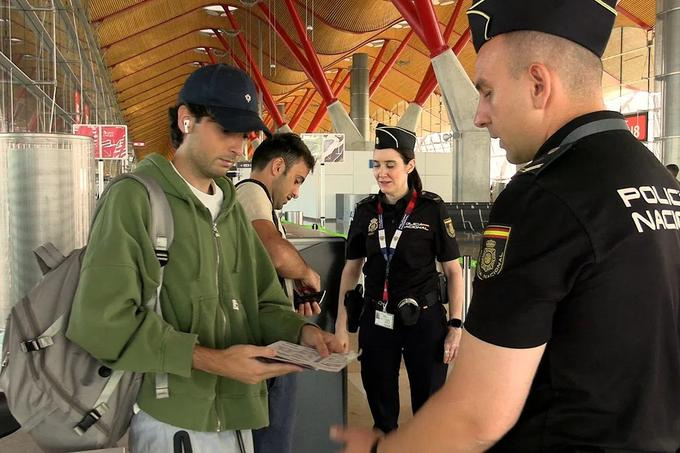
Because Italy and Spain share no land border, the checks operate at airports and ports and are random rather than systematic. Italy’s Interior Minister said that almost 500,000 people were checked during the first month, and that 31 were refused entry, including eight Moroccan citizens. He did not say whether any of them had travelled with the Ceuta arrivals. Madrid says that no irregular migrants have moved from Ceuta to mainland Spain, which is the argument at the heart of its objection.
The numbers matter for a legal reason, because Schengen border checks are an exception. Under the Schengen Borders Code, internal border controls are an exceptional measure that must be necessary and proportionate, and they are normally notified to the Commission and the other member states. A month of Schengen border checks that stopped 31 people out of almost half a million raises an obvious proportionality question, and the Commission has been pressing capitals to lift temporary controls gradually. Neither the diplomatic accounts nor the reporting from the summit say what Brussels’ role was in the rapprochement, so it is fair to read it as a bilateral deal between two governments that have clashed repeatedly on migration, one led by the right and the other by the centre-left.
The interior ministers of both countries are expected to work out alternative measures in the coming week. Diplomatic sources describe the aim as ending the Schengen border checks at ports and airports roughly two months after the crisis. That formula would let both governments claim a result without having to admit that the checks achieved little.
The thaw in the Schengen border checks dispute came despite a difficult summit for Madrid. Denmark, Italy and Poland pushed wording that criticised Spain’s plan to regularise around 600,000 undocumented migrants, which they see as a pull factor, and a group of eighteen countries met at a breakfast hosted by Meloni, Denmark’s Mette Frederiksen and the Netherlands’ Rob Jetten to discuss tougher measures. The final conclusions only repeated earlier commitments, and Sánchez was able to block stronger language because the text required unanimity. The regularisation row is a separate argument, yet it explains why both leaders wanted the border episode closed before it hardened into something larger.
Whether the Schengen border checks disappear on 22 October will depend on the ministers’ talks. If they do, the episode leaves a precedent that matters beyond Rome and Madrid: two founding members of the area suspended free movement against each other for almost three months and the exit was negotiated at a leaders’ summit rather than under the Schengen rules. Eight European countries already maintain internal checks of some kind, and the next dispute will find the playbook ready.