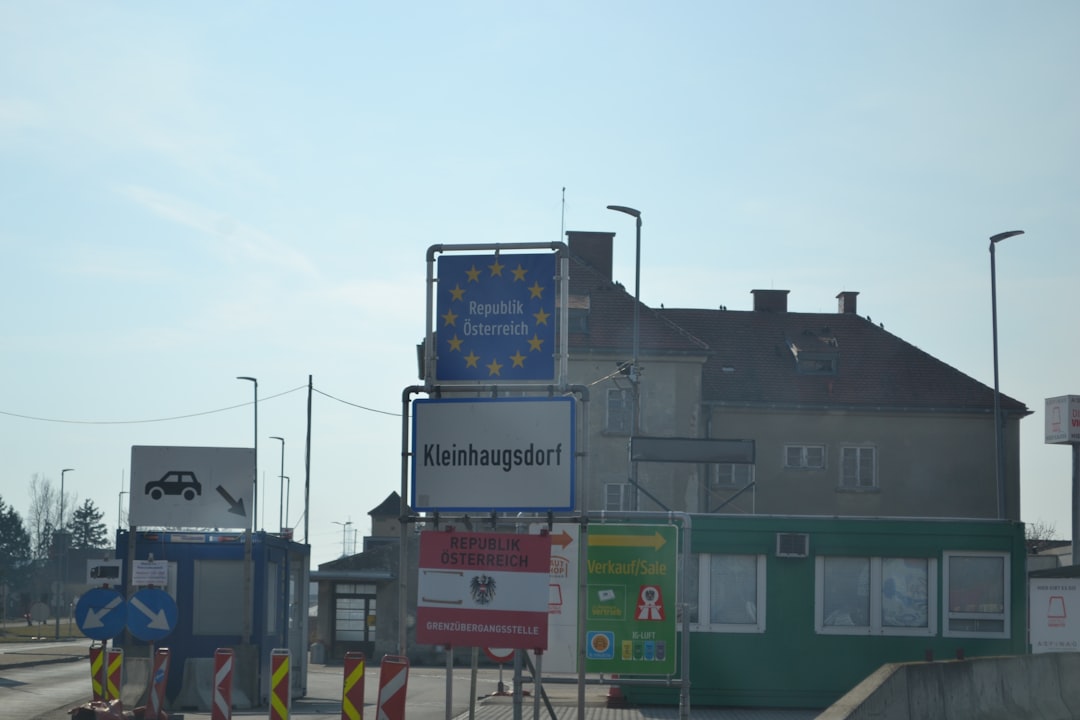
The passport stamp, that small inky ritual familiar to every traveller crossing into Europe, is being retired. In its place stands the Entry/Exit System, the bloc’s vast new biometric border database, which became fully operational across Schengen’s external frontiers on 10 April after a staggered rollout that began the previous autumn. Ministers reviewing the state of the borderless area this week are now grappling with what comes next.
The system records non-EU nationals arriving for short stays, capturing fingerprints, a facial image, travel-document details and the exact date and place of entry and exit. The aim is to replace a manual stamp that revealed little and could be forged, with a digital trail that flags overstayers automatically and ends the guesswork over who has lingered past their ninety days. For border authorities long frustrated by an honour system, it is a leap toward knowing, rather than estimating, who is inside the zone.
That precision comes at a cost measured in minutes and infrastructure. Registering biometrics takes longer than a glance at a stamp, and the early rollout produced the queues and teething problems critics had warned about. Airports, ports and rail terminals have had to install kiosks, retrain staff and brace for the first heavy summer under the new regime. The lesson governments are absorbing is that data collection and passenger flow pull in opposite directions, and that capacity, not the law, is now the binding constraint.
The next piece is still to come. ETIAS, the travel authorisation that visa-exempt visitors from countries such as the United States, Canada, Australia and Japan will need before boarding, is expected toward the end of this year, though the exact date remains unconfirmed. Together the two systems amount to the most significant overhaul of how outsiders enter Europe in a generation, shifting checks earlier in the journey and tying entry to data submitted in advance.
The discussion among ministers is not only technical. The health of Schengen is bound up with confidence that its external edge is controlled, because the moment that confidence frays, governments reach for internal border checks that undercut the free movement the zone exists to guarantee. A credible external frontier is, paradoxically, the best defence of borderless travel inside it. Smart-border technology is being sold partly as a way to keep those internal checkpoints from creeping back.
Whether it delivers depends on execution. A biometric system that works smoothly reassures publics and lets free movement breathe; one that produces hours-long queues and crashes at peak season hands ammunition to those who argue the open-borders experiment has outgrown its plumbing. The infrastructure is now live, the data is flowing, and the coming summer will be the first real stress test.
For travellers, the change is concrete. The stamp is gone, the camera and fingerprint reader have arrived, and an extra online form looms before year’s end. For the Union, the wager is larger: that better data at the edge buys enough trust to keep the interior open. The technology has been built. The harder question, as ever, is whether the people running it can make it feel invisible.