August 9, 2026
LATEST
New EU Gas Market Rules Take Effect With Consumer SafeguardsDeforestation Regulation Holds Its December Deadline Despite CutsDigital Omnibus Delays Europe’s High-Risk AI Deadline to 2027Europe’s Schools Confront a Widening Basic Skills GapRule of Law Report Finds Progress but Trust Still LagsIRIS2 Gains 66 Satellites as Brussels Signs the Rollout DealNature Restoration Plans Come Due as Member States Race a DeadlineECB Rates Hold at 2.25 Percent as Frankfurt Waits on the DataEU Budget Talks Turn to Cohesion as Ireland Takes OverWildfire Response Stretches Europe’s Emergency Fleet ThinCan Europe’s Quantum Plan Match Its Big Ambitions?Armenia Edges West as Moscow’s Grip Slips AwayEurope Inherits the World’s Aid Bill It Cannot Fully PayAir Passenger Rights Get Their First Overhaul in Two DecadesErasmus Opens a 5 Billion Euro Round for Skills and MobilityCeuta Crisis Pushes the EU Toward Faster Migrant ReturnsBulky Parcels Face a Packaging Crackdown From August 12Can Europe Build Its Drone Wall Before 2030 Arrives?Indonesia’s Trade Deal With Europe Nears Its Final SignatureEurope Leans on Beijing to Keep Climate Talks Alive Before AntalyaNew EU Gas Market Rules Take Effect With Consumer SafeguardsDeforestation Regulation Holds Its December Deadline Despite CutsDigital Omnibus Delays Europe’s High-Risk AI Deadline to 2027Europe’s Schools Confront a Widening Basic Skills GapRule of Law Report Finds Progress but Trust Still LagsIRIS2 Gains 66 Satellites as Brussels Signs the Rollout DealNature Restoration Plans Come Due as Member States Race a DeadlineECB Rates Hold at 2.25 Percent as Frankfurt Waits on the DataEU Budget Talks Turn to Cohesion as Ireland Takes OverWildfire Response Stretches Europe’s Emergency Fleet ThinCan Europe’s Quantum Plan Match Its Big Ambitions?Armenia Edges West as Moscow’s Grip Slips AwayEurope Inherits the World’s Aid Bill It Cannot Fully PayAir Passenger Rights Get Their First Overhaul in Two DecadesErasmus Opens a 5 Billion Euro Round for Skills and MobilityCeuta Crisis Pushes the EU Toward Faster Migrant ReturnsBulky Parcels Face a Packaging Crackdown From August 12Can Europe Build Its Drone Wall Before 2030 Arrives?Indonesia’s Trade Deal With Europe Nears Its Final SignatureEurope Leans on Beijing to Keep Climate Talks Alive Before Antalya
August 9, 2026
LATEST
New EU Gas Market Rules Take Effect With Consumer SafeguardsDeforestation Regulation Holds Its December Deadline Despite CutsDigital Omnibus Delays Europe’s High-Risk AI Deadline to 2027Europe’s Schools Confront a Widening Basic Skills GapRule of Law Report Finds Progress but Trust Still LagsIRIS2 Gains 66 Satellites as Brussels Signs the Rollout DealNature Restoration Plans Come Due as Member States Race a DeadlineECB Rates Hold at 2.25 Percent as Frankfurt Waits on the DataEU Budget Talks Turn to Cohesion as Ireland Takes OverWildfire Response Stretches Europe’s Emergency Fleet ThinCan Europe’s Quantum Plan Match Its Big Ambitions?Armenia Edges West as Moscow’s Grip Slips AwayEurope Inherits the World’s Aid Bill It Cannot Fully PayAir Passenger Rights Get Their First Overhaul in Two DecadesErasmus Opens a 5 Billion Euro Round for Skills and MobilityCeuta Crisis Pushes the EU Toward Faster Migrant ReturnsBulky Parcels Face a Packaging Crackdown From August 12Can Europe Build Its Drone Wall Before 2030 Arrives?Indonesia’s Trade Deal With Europe Nears Its Final SignatureEurope Leans on Beijing to Keep Climate Talks Alive Before AntalyaNew EU Gas Market Rules Take Effect With Consumer SafeguardsDeforestation Regulation Holds Its December Deadline Despite CutsDigital Omnibus Delays Europe’s High-Risk AI Deadline to 2027Europe’s Schools Confront a Widening Basic Skills GapRule of Law Report Finds Progress but Trust Still LagsIRIS2 Gains 66 Satellites as Brussels Signs the Rollout DealNature Restoration Plans Come Due as Member States Race a DeadlineECB Rates Hold at 2.25 Percent as Frankfurt Waits on the DataEU Budget Talks Turn to Cohesion as Ireland Takes OverWildfire Response Stretches Europe’s Emergency Fleet ThinCan Europe’s Quantum Plan Match Its Big Ambitions?Armenia Edges West as Moscow’s Grip Slips AwayEurope Inherits the World’s Aid Bill It Cannot Fully PayAir Passenger Rights Get Their First Overhaul in Two DecadesErasmus Opens a 5 Billion Euro Round for Skills and MobilityCeuta Crisis Pushes the EU Toward Faster Migrant ReturnsBulky Parcels Face a Packaging Crackdown From August 12Can Europe Build Its Drone Wall Before 2030 Arrives?Indonesia’s Trade Deal With Europe Nears Its Final SignatureEurope Leans on Beijing to Keep Climate Talks Alive Before Antalya

Cohesion Funds Pivot to Defence as 34 Billion Is Redirected

A fund built to narrow the gap between Europe’s richest and poorest regions is being quietly repurposed for an age of tanks, droughts and housing shortages. Member states have now reallocated 34.6 billion euros from the 2021 to 2027 cohesion budget toward the bloc’s most pressing strategic priorities, the largest mid-cycle redirection the policy has seen.

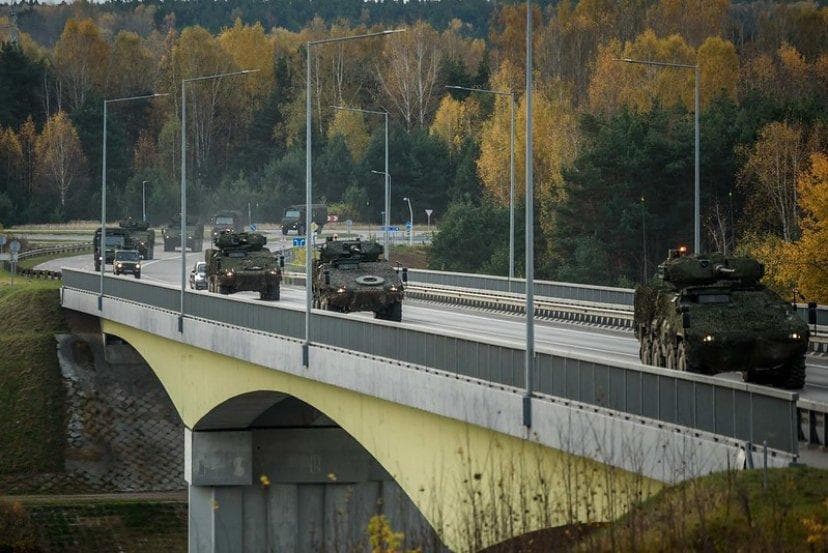
The numbers reveal the new map of European anxiety. Roughly 15.2 billion euros moves to competitiveness and critical technologies, 11.9 billion to defence and civil preparedness, 3.3 billion to affordable and sustainable housing, 3.1 billion to water resilience, and 1.2 billion to energy security and industrial decarbonisation. Since the enabling proposal was adopted in September 2025, the Commission has approved amendments to 186 national and regional programmes across 25 member states.

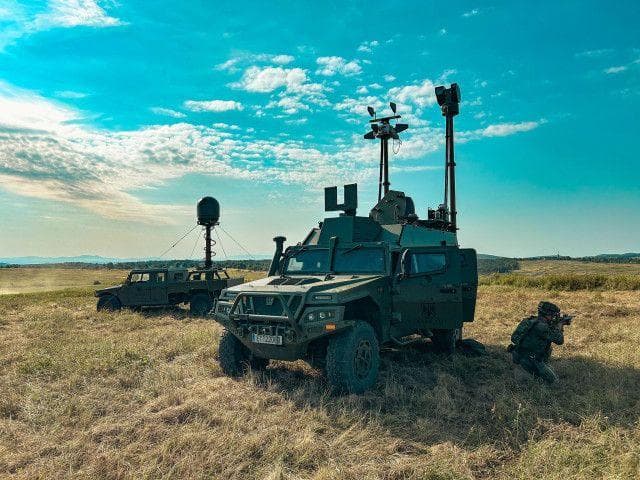
The mid-term review that unlocked this flexibility passed the Parliament with 440 votes in favour, 168 against and 52 abstentions, drawing on the European Regional Development Fund, the Cohesion Fund and the Just Transition Fund. To push money out the door quickly, governments can claim a one-off 20 percent pre-financing top-up on amounts re-allocated during 2026, alongside co-financing rates ten percentage points higher than usual. Regions bordering Russia, Belarus and Ukraine receive an extra layer of support, an explicit acknowledgement that geography now carries a security premium.

The case for the shift is straightforward. Cohesion is the EU’s second-largest spending line, and leaving roughly a third of a trillion euros locked to objectives set before the war in Ukraine, the energy shock and the housing squeeze looked increasingly indefensible. Channelling idle allocations toward defence mobility or water infrastructure, supporters argue, lets the Union respond at speed without inventing new money it does not have.

The objection is about purpose. Cohesion policy exists to reduce regional inequality, and the Greens warn the review risks turning it into an “emergency toolbox” raided whenever a fresh crisis appears. A poorer region that swaps a planned training centre or transport link for a contribution to military mobility may serve the continent’s collective security while seeing little local development in return. The worry is not that the new priorities are illegitimate, but that the original mission gets crowded out one reallocation at a time.

That tension will only intensify. For the 2028 to 2034 budget, the Commission has proposed folding cohesion, agriculture, migration and security into a single framework built around National and Regional Partnership Plans. Centralising the money in national capitals, regional authorities fear, would weaken the local voice that cohesion was designed to amplify, handing governments a discretion that the current ring-fenced structure deliberately limits.

For now, the redirection is real and accelerating. The next signals to watch are how fast the 186 amended programmes actually disburse, whether border regions translate their funding premium into visible resilience, and how hard regional governments fight to keep a seat at the table in the post-2027 design. Cohesion is adapting to a harder world. The unresolved question is how much of its founding promise, to lift Europe’s left-behind places, survives the adjustment.