October 11, 2026
LATEST
Muslim Brotherhood Terrorist Listing Push Wins 381 MEP VotesSolar Lifts EU Renewable Electricity To 54.1 percent Despite A SlipMEPs Back EU Anti-Corruption Strategy With Golden Visa Phase-OutEU Budget Fraud Protection Falls To National Services, OLAF WarnsGulf Flights Face The EU Aviation ETS From 2029 Under A PlanTashkent Talks Put The EU-Uzbekistan Partnership To WorkMinisters Weigh Enlargement Security And Candidate Defence TiesEthiopia Eritrea Tensions Test EU Diplomacy In The HornPaid Annual Leave Ruling Covers Teachers’ Second ContractsMETSAF State Aid Backs French Fuel Loans Worth €40.5 MillionAlmost €710 Million Package Directs EU Humanitarian Aid To AfricaSmall Parcels Face An EU Customs Handling Fee From 1 NovemberTrilogue Talks Put The Digital Euro Holding Limit On The LineTax Simplification Package Needs Every Capital To AgreePost-2027 CAP Faces Its Partial Deal Deadline This MonthCounter-Drone Programmes Face A 2030 Delivery ProblemDublin Meeting Tests The Future Of EU Development CooperationLuxembourg Talks Open The EU ETS Review As Free Allocation Rules ShiftTunisia Migration Deal Faces A Rebalancing Push From Saïed In 2026Serbia EU Accession Meets An October Election And A Cluster 3 TestMuslim Brotherhood Terrorist Listing Push Wins 381 MEP VotesSolar Lifts EU Renewable Electricity To 54.1 percent Despite A SlipMEPs Back EU Anti-Corruption Strategy With Golden Visa Phase-OutEU Budget Fraud Protection Falls To National Services, OLAF WarnsGulf Flights Face The EU Aviation ETS From 2029 Under A PlanTashkent Talks Put The EU-Uzbekistan Partnership To WorkMinisters Weigh Enlargement Security And Candidate Defence TiesEthiopia Eritrea Tensions Test EU Diplomacy In The HornPaid Annual Leave Ruling Covers Teachers’ Second ContractsMETSAF State Aid Backs French Fuel Loans Worth €40.5 MillionAlmost €710 Million Package Directs EU Humanitarian Aid To AfricaSmall Parcels Face An EU Customs Handling Fee From 1 NovemberTrilogue Talks Put The Digital Euro Holding Limit On The LineTax Simplification Package Needs Every Capital To AgreePost-2027 CAP Faces Its Partial Deal Deadline This MonthCounter-Drone Programmes Face A 2030 Delivery ProblemDublin Meeting Tests The Future Of EU Development CooperationLuxembourg Talks Open The EU ETS Review As Free Allocation Rules ShiftTunisia Migration Deal Faces A Rebalancing Push From Saïed In 2026Serbia EU Accession Meets An October Election And A Cluster 3 Test
October 11, 2026
LATEST
Muslim Brotherhood Terrorist Listing Push Wins 381 MEP VotesSolar Lifts EU Renewable Electricity To 54.1 percent Despite A SlipMEPs Back EU Anti-Corruption Strategy With Golden Visa Phase-OutEU Budget Fraud Protection Falls To National Services, OLAF WarnsGulf Flights Face The EU Aviation ETS From 2029 Under A PlanTashkent Talks Put The EU-Uzbekistan Partnership To WorkMinisters Weigh Enlargement Security And Candidate Defence TiesEthiopia Eritrea Tensions Test EU Diplomacy In The HornPaid Annual Leave Ruling Covers Teachers’ Second ContractsMETSAF State Aid Backs French Fuel Loans Worth €40.5 MillionAlmost €710 Million Package Directs EU Humanitarian Aid To AfricaSmall Parcels Face An EU Customs Handling Fee From 1 NovemberTrilogue Talks Put The Digital Euro Holding Limit On The LineTax Simplification Package Needs Every Capital To AgreePost-2027 CAP Faces Its Partial Deal Deadline This MonthCounter-Drone Programmes Face A 2030 Delivery ProblemDublin Meeting Tests The Future Of EU Development CooperationLuxembourg Talks Open The EU ETS Review As Free Allocation Rules ShiftTunisia Migration Deal Faces A Rebalancing Push From Saïed In 2026Serbia EU Accession Meets An October Election And A Cluster 3 TestMuslim Brotherhood Terrorist Listing Push Wins 381 MEP VotesSolar Lifts EU Renewable Electricity To 54.1 percent Despite A SlipMEPs Back EU Anti-Corruption Strategy With Golden Visa Phase-OutEU Budget Fraud Protection Falls To National Services, OLAF WarnsGulf Flights Face The EU Aviation ETS From 2029 Under A PlanTashkent Talks Put The EU-Uzbekistan Partnership To WorkMinisters Weigh Enlargement Security And Candidate Defence TiesEthiopia Eritrea Tensions Test EU Diplomacy In The HornPaid Annual Leave Ruling Covers Teachers’ Second ContractsMETSAF State Aid Backs French Fuel Loans Worth €40.5 MillionAlmost €710 Million Package Directs EU Humanitarian Aid To AfricaSmall Parcels Face An EU Customs Handling Fee From 1 NovemberTrilogue Talks Put The Digital Euro Holding Limit On The LineTax Simplification Package Needs Every Capital To AgreePost-2027 CAP Faces Its Partial Deal Deadline This MonthCounter-Drone Programmes Face A 2030 Delivery ProblemDublin Meeting Tests The Future Of EU Development CooperationLuxembourg Talks Open The EU ETS Review As Free Allocation Rules ShiftTunisia Migration Deal Faces A Rebalancing Push From Saïed In 2026Serbia EU Accession Meets An October Election And A Cluster 3 Test

Counter-Drone Programmes Face A 2030 Delivery Problem

Counter-drone programmes across the European Union are expanding quickly, yet only about one third of them are expected to deliver by 2030, according to a leaked European Defence Agency assessment reported by Euronews on 8 October 2026. The 2026 annual defence readiness report was shared with governments the week before it was due for publication. It arrives as drones straying from the war in Ukraine struck two commercial vessels in Bulgaria’s territorial waters on Tuesday and sank one of them.

The money is not the obvious problem. According to the report, investment in counter-drone and very short-range air defence grew sixfold between 2024 and 2025, and EU countries are putting €18.9 billion into drone technologies over the period 2024 to 2029. Most of that spending goes to drones for surveillance, reconnaissance and target acquisition, while other types of unmanned aircraft receive only limited funding.

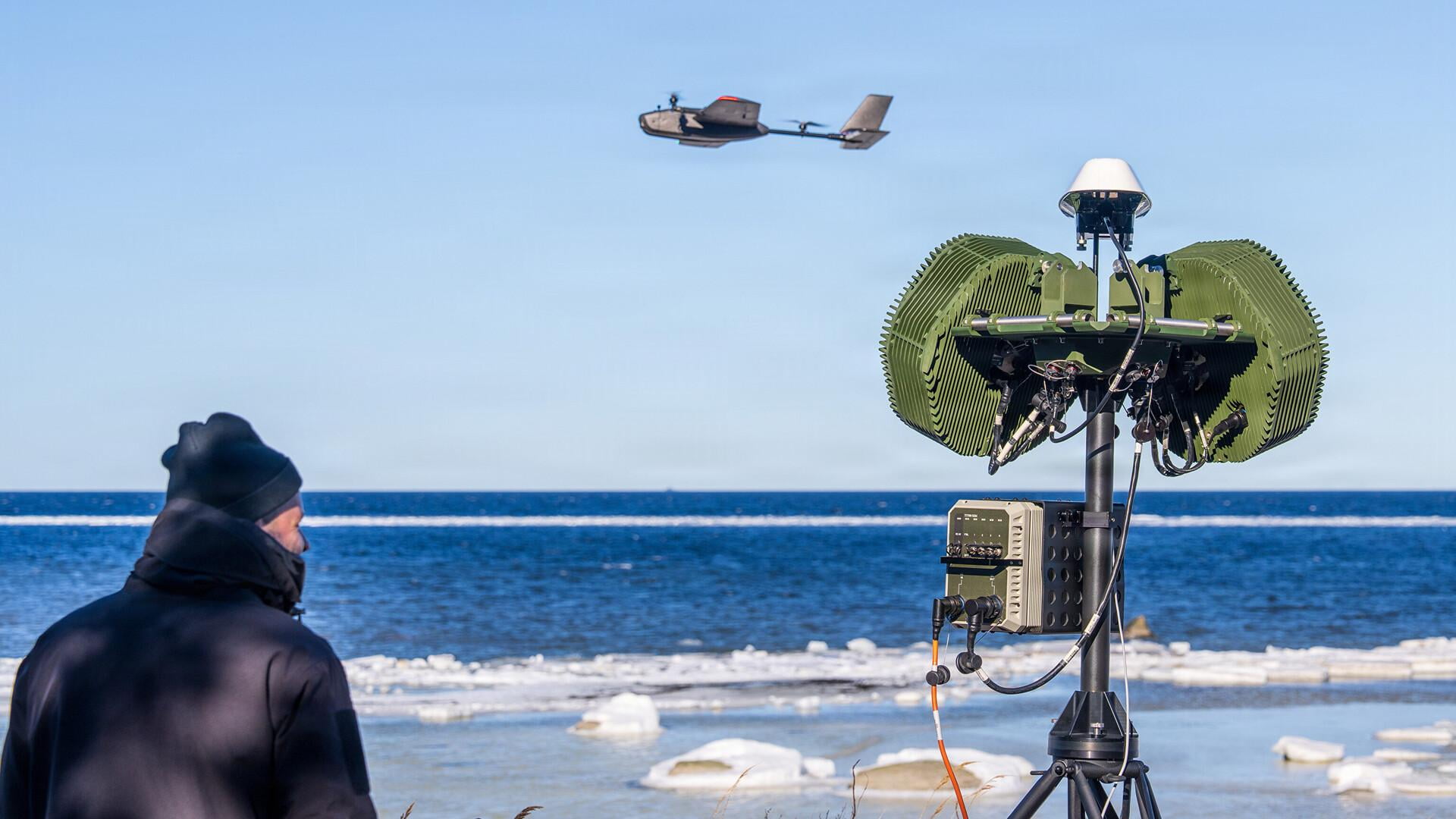
The weaknesses in the counter-drone programmes lie in how the money is spent. The agency points to fragmented national procurement, limited interoperability between national systems, a lack of capacity for experimentation and insufficient industrial surge capacity, especially for weaponised drones. Five governments have started to respond. Spain, Denmark, Croatia, Latvia and the Netherlands lead a joint project to buy drones and anti-drone systems together and to set up a technology hub for innovation and testing.

Industry sits at the centre of the warning. The Defence Agency counts more than 200 EU companies making drone and counter-drone technology, and it estimates that the sector could grow by up to 140 percent by next year if the investment framework is right. Yet the report cautions that industrial capacity has not reached the scale and responsiveness needed for protracted high-intensity operations. It also warns that technology is moving faster than acquisition cycles, so equipment risks becoming obsolete before it is fielded.

The same week offered a contrast. On 7 October the Commission announced that €1.24 billion had been released to Ukraine to buy domestically made drones, drone interceptors, drone ammunition and munitions. The payment comes from the Ukraine Support Loan, a €90 billion package for 2026 and 2027 in which two thirds is earmarked for military and defence needs, and Brussels plans to disburse €28.3 billion for Ukraine’s security this year. Further defence releases are expected in the coming weeks.

My reading is that the two stories belong together. Ukraine’s industry is scaling up under daily pressure, while the Union’s own counter-drone programmes are still working through procurement rules, joint buying and testing. The leaked report says closing the gaps would cost comparatively little next to other defence capabilities, but it needs sustained funding and an integrated approach rather than twenty-seven separate shopping lists.

Whether the counter-drone programmes catch up is a question for governments as much as for industry. The test for the next two years is therefore organisational more than financial. If the joint procurement project led by Madrid and Copenhagen can show results, the counter-drone programmes will look less like a patchwork. If it cannot, the share of them that deliver by 2030 will stay near one third, and Europe’s eastern flank will keep depending on equipment that arrives late.