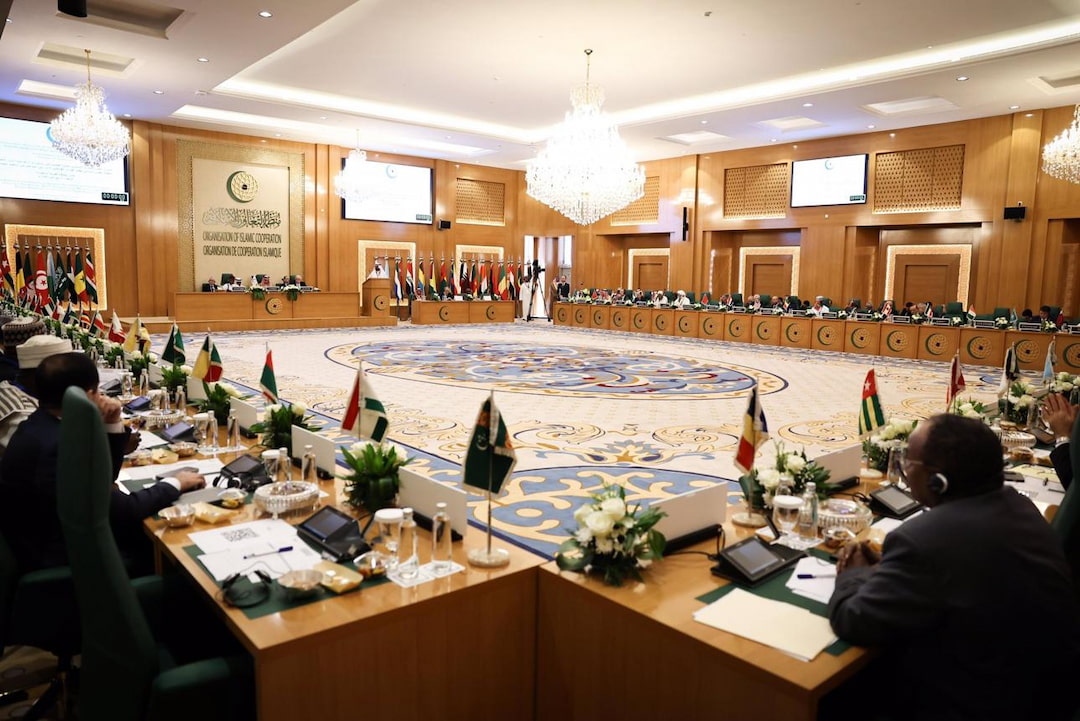
Commissioner Michael McGrath’s Implementation Dialogue on cross-border enforcement cooperation, held in the Berlaymont on 6 May, has set the political backdrop for the most consequential redesign of European consumer enforcement architecture since the Consumer Protection Cooperation Regulation came into force in 2018. The dialogue assembled business and consumer representatives, social partners and national CPC-network authorities to test where the current Regulation (EU) 2017/2394 is buckling under the volume and speed of cross-border digital trade. The Commission’s published work programme commits to a CPC revision proposal in the fourth quarter of 2026, and the May discussion was designed to harden the impact assessment that will accompany it.
The reform is not advancing in a vacuum. It sits alongside the Digital Fairness Act, also slated for legislative tabling between October and December 2026, which Commissioner McGrath has structured as the substantive companion to the procedural reset on enforcement. The DFA, confirmed as a headline initiative in the 2030 Consumer Agenda adopted on 19 November 2025, is intended to draw a clean legal line around dark patterns, addictive design features, manipulative personalisation and influencer marketing — the practices that the existing Unfair Commercial Practices Directive struggles to police at the platform layer. The public consultation closed on 24 October 2025 and produced an evidence base that several Member States, including France and Germany, are pressing the Commission to use as the floor rather than the ceiling of the new instrument.
Sweep data underline why the procedural rewrite matters. The 2022 CPC sweep, which targeted dark patterns across 399 e-commerce sites under the coordination of authorities from 23 Member States plus Norway and Iceland, found that nearly forty percent of online retail shops contained at least one manipulative design element. Subsequent coordinated actions — including the multi-jurisdictional referral notified to SHEIN on 26 May 2025 following an investigation led by Belgian, French, Irish and Dutch authorities, and the airline greenwashing action that drew in twenty regulators on a single synchronised evidence pack — have shown both the strengths and limits of the current framework. The model works when one anchor authority builds the dossier and others endorse it, but the legal architecture is slow when traders rotate domicile, when platforms host third-party sellers, and when the harm is dispersed across millions of consumers.
The Commission’s expected revision will likely tighten three pressure points. Designation rules for the so-called single contact point inside each Member State are under review, with several CPC authorities pressing for a more uniform competence catalogue so that anchor cases are not delayed by domestic jurisdictional ambiguity. Sanctioning powers — currently asymmetrical across capitals — are a second target, with PwC Legal noting in early enforcement reports that this asymmetry undermines deterrence at the platform scale. Information-sharing obligations, including the conditions under which the CPC network can compel a trader to remove content or block access pending investigation, are the third, and the most politically sensitive.
Business representatives in the 6 May dialogue cautioned against treating the CPC revision as a backdoor route to platform liability that should sit instead inside the Digital Services Act enforcement perimeter. Consumer organisations, led by BEUC, have argued the opposite: that the DSA addresses systemic risks at the platform level, while the CPC framework is the only instrument capable of remedying the individual consumer-law breach. The Commission’s challenge through the autumn will be to draft the revision in a way that neither duplicates the DSA’s supervisory architecture nor leaves the cross-border consumer breach to fall between the two instruments. By the fourth quarter, when both the CPC revision and the Digital Fairness Act are expected to land, the political test will be whether the College can hold the procedural and substantive packages on the same calendar.