August 9, 2026
LATEST
New EU Gas Market Rules Take Effect With Consumer SafeguardsDeforestation Regulation Holds Its December Deadline Despite CutsDigital Omnibus Delays Europe’s High-Risk AI Deadline to 2027Europe’s Schools Confront a Widening Basic Skills GapRule of Law Report Finds Progress but Trust Still LagsIRIS2 Gains 66 Satellites as Brussels Signs the Rollout DealNature Restoration Plans Come Due as Member States Race a DeadlineECB Rates Hold at 2.25 Percent as Frankfurt Waits on the DataEU Budget Talks Turn to Cohesion as Ireland Takes OverWildfire Response Stretches Europe’s Emergency Fleet ThinCan Europe’s Quantum Plan Match Its Big Ambitions?Armenia Edges West as Moscow’s Grip Slips AwayEurope Inherits the World’s Aid Bill It Cannot Fully PayAir Passenger Rights Get Their First Overhaul in Two DecadesErasmus Opens a 5 Billion Euro Round for Skills and MobilityCeuta Crisis Pushes the EU Toward Faster Migrant ReturnsBulky Parcels Face a Packaging Crackdown From August 12Can Europe Build Its Drone Wall Before 2030 Arrives?Indonesia’s Trade Deal With Europe Nears Its Final SignatureEurope Leans on Beijing to Keep Climate Talks Alive Before AntalyaNew EU Gas Market Rules Take Effect With Consumer SafeguardsDeforestation Regulation Holds Its December Deadline Despite CutsDigital Omnibus Delays Europe’s High-Risk AI Deadline to 2027Europe’s Schools Confront a Widening Basic Skills GapRule of Law Report Finds Progress but Trust Still LagsIRIS2 Gains 66 Satellites as Brussels Signs the Rollout DealNature Restoration Plans Come Due as Member States Race a DeadlineECB Rates Hold at 2.25 Percent as Frankfurt Waits on the DataEU Budget Talks Turn to Cohesion as Ireland Takes OverWildfire Response Stretches Europe’s Emergency Fleet ThinCan Europe’s Quantum Plan Match Its Big Ambitions?Armenia Edges West as Moscow’s Grip Slips AwayEurope Inherits the World’s Aid Bill It Cannot Fully PayAir Passenger Rights Get Their First Overhaul in Two DecadesErasmus Opens a 5 Billion Euro Round for Skills and MobilityCeuta Crisis Pushes the EU Toward Faster Migrant ReturnsBulky Parcels Face a Packaging Crackdown From August 12Can Europe Build Its Drone Wall Before 2030 Arrives?Indonesia’s Trade Deal With Europe Nears Its Final SignatureEurope Leans on Beijing to Keep Climate Talks Alive Before Antalya
August 9, 2026
LATEST
New EU Gas Market Rules Take Effect With Consumer SafeguardsDeforestation Regulation Holds Its December Deadline Despite CutsDigital Omnibus Delays Europe’s High-Risk AI Deadline to 2027Europe’s Schools Confront a Widening Basic Skills GapRule of Law Report Finds Progress but Trust Still LagsIRIS2 Gains 66 Satellites as Brussels Signs the Rollout DealNature Restoration Plans Come Due as Member States Race a DeadlineECB Rates Hold at 2.25 Percent as Frankfurt Waits on the DataEU Budget Talks Turn to Cohesion as Ireland Takes OverWildfire Response Stretches Europe’s Emergency Fleet ThinCan Europe’s Quantum Plan Match Its Big Ambitions?Armenia Edges West as Moscow’s Grip Slips AwayEurope Inherits the World’s Aid Bill It Cannot Fully PayAir Passenger Rights Get Their First Overhaul in Two DecadesErasmus Opens a 5 Billion Euro Round for Skills and MobilityCeuta Crisis Pushes the EU Toward Faster Migrant ReturnsBulky Parcels Face a Packaging Crackdown From August 12Can Europe Build Its Drone Wall Before 2030 Arrives?Indonesia’s Trade Deal With Europe Nears Its Final SignatureEurope Leans on Beijing to Keep Climate Talks Alive Before AntalyaNew EU Gas Market Rules Take Effect With Consumer SafeguardsDeforestation Regulation Holds Its December Deadline Despite CutsDigital Omnibus Delays Europe’s High-Risk AI Deadline to 2027Europe’s Schools Confront a Widening Basic Skills GapRule of Law Report Finds Progress but Trust Still LagsIRIS2 Gains 66 Satellites as Brussels Signs the Rollout DealNature Restoration Plans Come Due as Member States Race a DeadlineECB Rates Hold at 2.25 Percent as Frankfurt Waits on the DataEU Budget Talks Turn to Cohesion as Ireland Takes OverWildfire Response Stretches Europe’s Emergency Fleet ThinCan Europe’s Quantum Plan Match Its Big Ambitions?Armenia Edges West as Moscow’s Grip Slips AwayEurope Inherits the World’s Aid Bill It Cannot Fully PayAir Passenger Rights Get Their First Overhaul in Two DecadesErasmus Opens a 5 Billion Euro Round for Skills and MobilityCeuta Crisis Pushes the EU Toward Faster Migrant ReturnsBulky Parcels Face a Packaging Crackdown From August 12Can Europe Build Its Drone Wall Before 2030 Arrives?Indonesia’s Trade Deal With Europe Nears Its Final SignatureEurope Leans on Beijing to Keep Climate Talks Alive Before Antalya

Driverless Cars Finally Get A Continent-Wide Testing Corridor

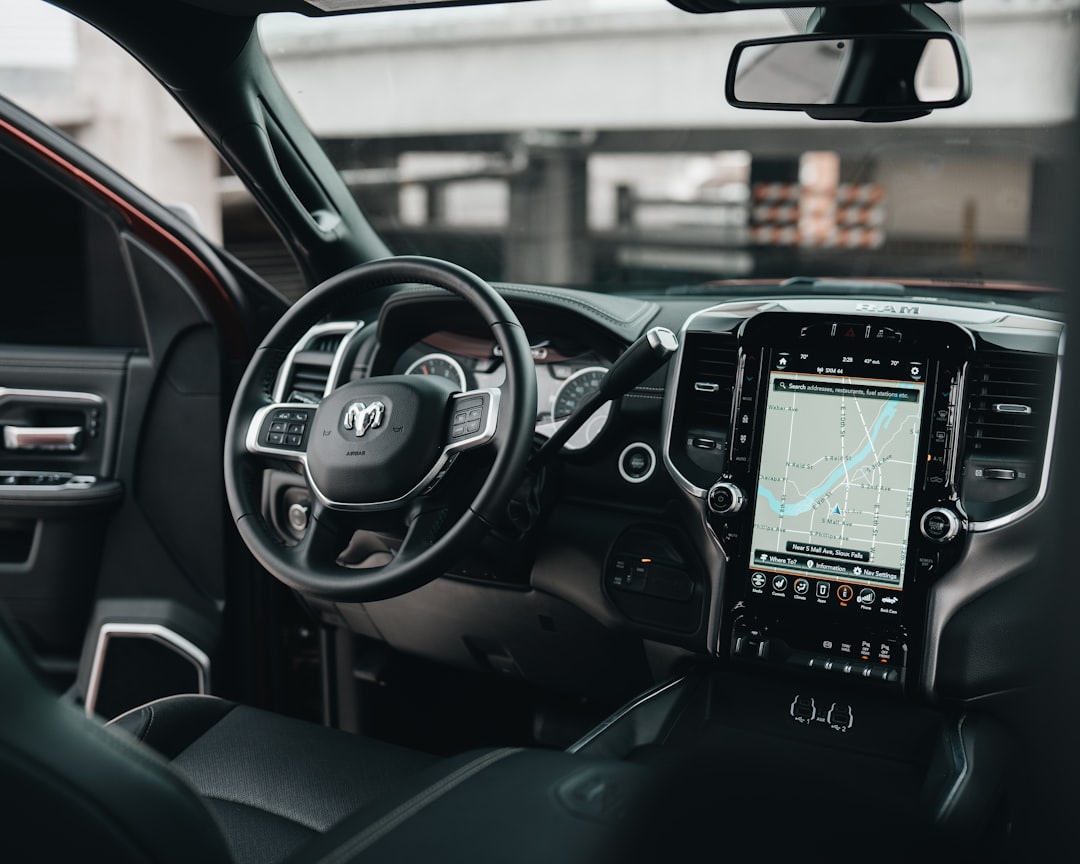
Europe’s regulators have spent years watching driverless cars graduate from demonstration loops to commercial robotaxi fleets in California and Chinese megacities, while their own home market stayed boxed in behind twenty-seven separate approval regimes. On 8 June, transport ministers meeting in Luxembourg tried to narrow that gap. Eighteen member states signed a Joint Declaration of Intent to build large-scale, cross-border testbeds for autonomous vehicles, standing alongside Apostolos Tzitzikostas, the Commissioner for sustainable transport and tourism.

The signatories, among them Germany, France, Italy, Poland and the Netherlands, together with a cluster of smaller states stretching from Estonia to Cyprus, committed to two parallel tracks. The first aims to align the permitting and type-approval procedures that currently force a developer to re-certify the same vehicle each time it crosses a national frontier. The second is more practical: clustering early use cases in public transport, freight and logistics, the segments where autonomous systems promise the clearest commercial payback and the easiest safety case.

None of this is binding law, and that is worth stating plainly. A declaration of intent commits no one to a deadline and frees up no parliamentary majority. What it does signal is a recognition, increasingly hard to ignore, that the bloc’s automotive heartland is being outpaced. The initiative sits under the wider European Automotive Action Plan, a roughly fifty-billion-euro effort to shore up an industry battered by electric-vehicle competition from Asia, of which about one billion euros is earmarked for connected and automated driving. As a first concrete down payment, the 2026 Connecting Europe Facility work programme sets aside twenty million euros for the digital infrastructure that self-driving fleets depend on.

The economic logic is straightforward enough. A continent that builds cars but cannot test their software at scale risks ceding the most valuable layer of the industry, the autonomy stack, to American and Chinese rivals who already enjoy vast, permissive proving grounds. Mario Draghi’s competitiveness report made the point bluntly last year: fragmentation is a tax Europe levies on itself. A vehicle cleared in Munich should not need a fresh dossier to drive in Lyon.

Yet harmonising test corridors is the comparatively easy part. The harder questions, liability when an algorithm errs, the data a robotaxi may harvest from a city street, the employment consequences for professional drivers, remain unanswered and largely undiscussed in the declaration. Public trust is fragile, and a single high-profile crash in a cross-border pilot could set the whole agenda back years. The signatories would be wise to pair their engineering ambition with an honest conversation about accountability.

Skeptics will note that Europe has launched grand mobility frameworks before, only to watch them dissolve into national foot-dragging. The absence of several large members from the list of signatories hints that consensus is thinner than the ceremony suggested. Still, twenty million euros and a shared template are a start, and the clustering approach, proving the technology first where the public-interest case is strongest, is a more disciplined path than chasing private robotaxis straight into city centres. Whether the bloc can move from declaration to deployment before the technology, and its competitors, leave it behind is the question the next eighteen months will answer.