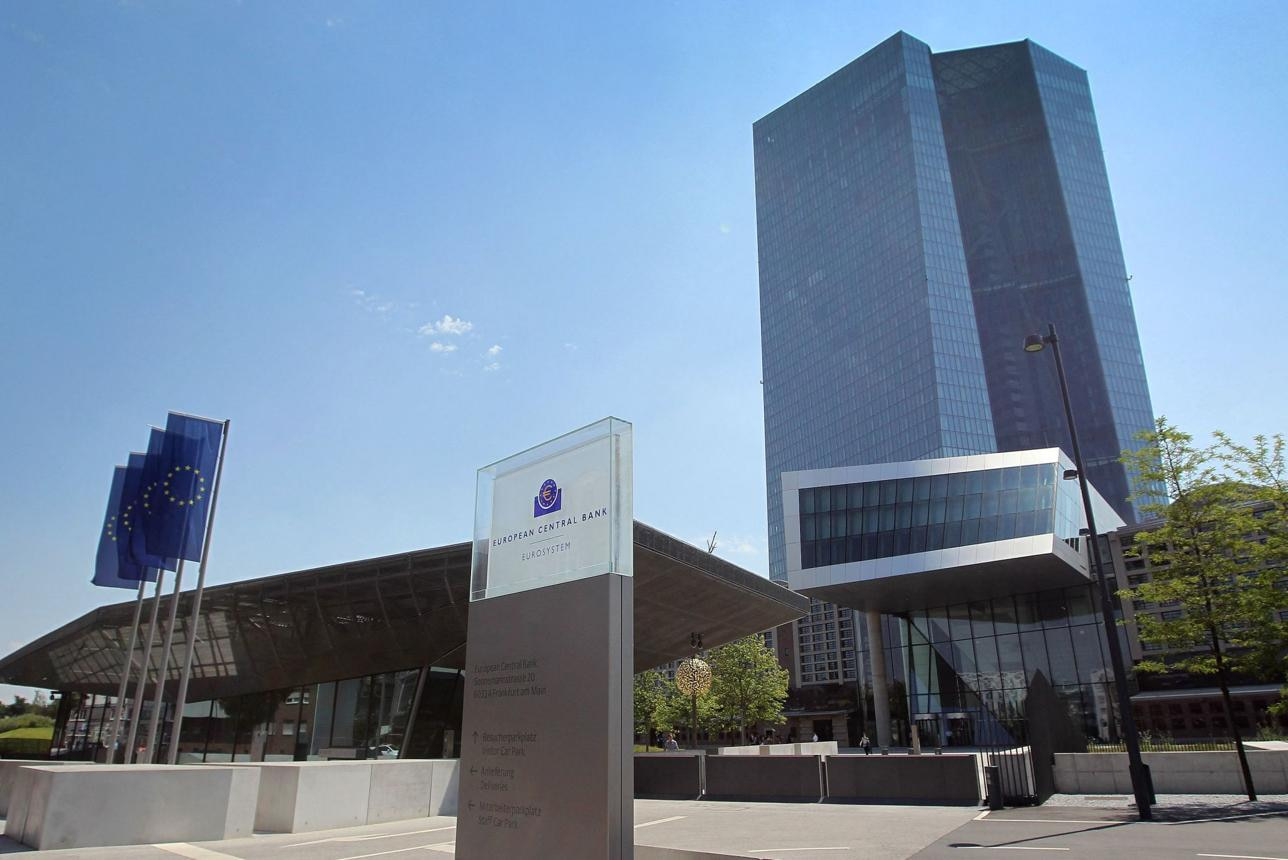
Attention is swinging back to Frankfurt as the next verdict on ECB rates draws near, with the Governing Council due to meet on 24 July for its first decision since it surprised markets in June. Investors who spent much of the year expecting cuts are now recalibrating for a central bank that has turned cautious.
June marked the pivot. The Council lifted its three key rates by a quarter point, the first increase since 2023, pushing the deposit rate to 2.25 percent and the main refinancing rate to 2.40 percent. Policymakers framed the move as insurance against inflation that refuses to settle at the 2 percent goal.
Price pressure explains the shift. Eurosystem staff now see headline inflation averaging 3.0 percent this year before easing to 2.3 percent in 2027 and touching target only in 2028. Conflict in the Middle East feeds much of that stubbornness, lifting energy costs and clouding the outlook that guides every rate call.
July offers less to lean on. The meeting sits outside the quarterly cycle, so staff will publish no fresh projections alongside the decision, leaving the Council to read incoming data on wages, energy and underlying prices without an updated forecast to frame them. That thin evidence base argues for patience rather than another move.
Most economists therefore expect the bank to hold, treating June as a signal shot rather than the start of a rapid climb. The Council has stressed a meeting-by-meeting approach and refused to pre-commit to a path, a stance that keeps its options open but tests the nerves of borrowers hoping for relief.
Households feel the strain most directly. Higher policy rates ripple into mortgages, business loans and the cost of servicing government debt, squeezing budgets across a bloc still adjusting to an era of dearer money. Firms weighing new investment want to know whether June was a one-off or a warning.
The euro adds another layer. A firmer currency helps tame imported inflation but nips at exporters already contending with softer global demand, so the Council must balance price stability against a competitiveness debate that runs hot in national capitals. Every basis point carries political weight.
President Christine Lagarde will frame whatever the Council decides at the accompanying press conference, and her language will matter as much as the number. Markets will parse each phrase for hints about September, when new projections return and the harder choices resume. For now, the bank looks content to watch, wait and keep its powder dry.