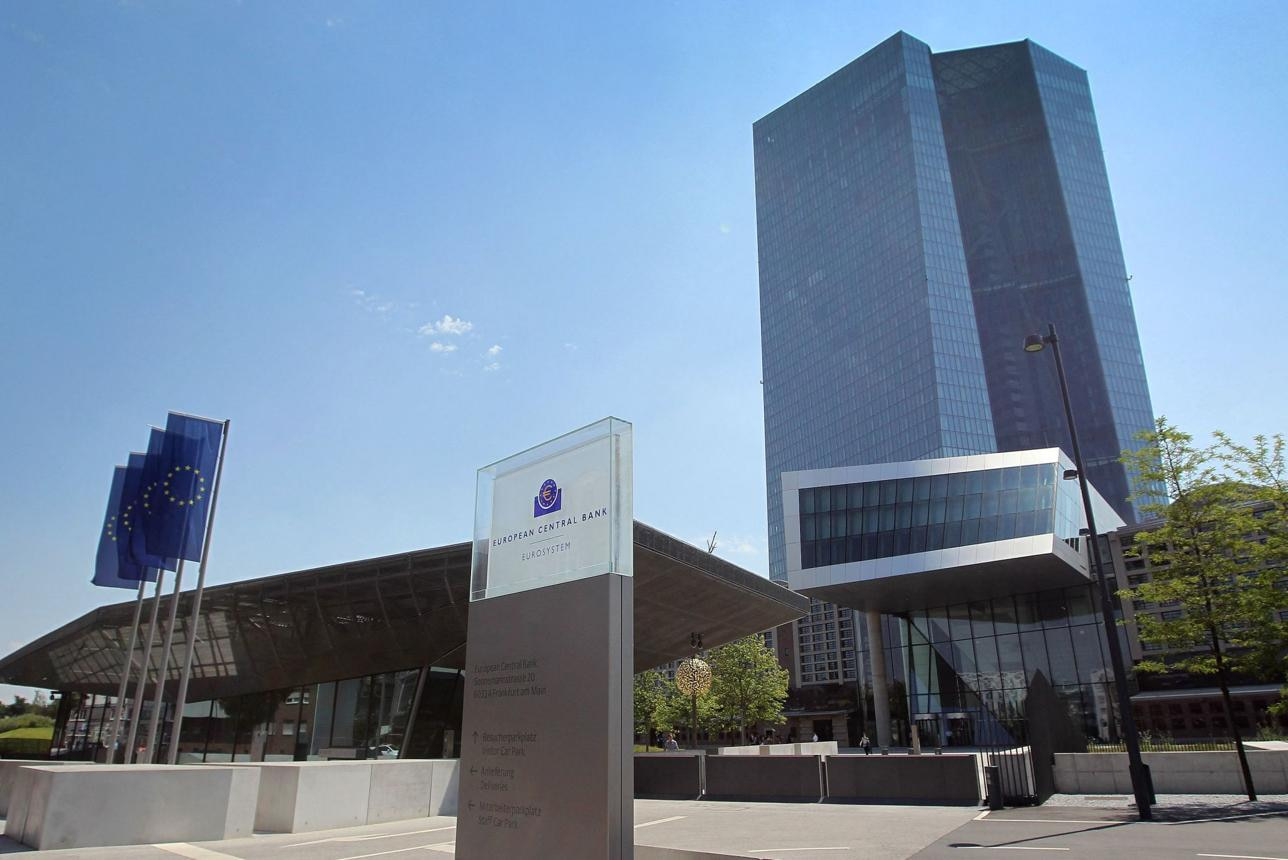
A new stress test from the European Central Bank has laid bare how unevenly euro area lenders prepare for a world of rising geopolitical shocks. Supervisors ran the exercise across 110 banks under their direct watch and found that many still struggle to turn a political crisis into a credible financial scenario.
The ECB published the results on 31 July 2026 as part of a supervisory priority that runs from 2026 to 2028. Officials designed the review to sharpen banks’ forward-looking risk management at a time when war, trade friction, and sanctions can move markets in days.
This exercise reversed the usual method. Instead of handing banks a scenario, supervisors set a target of a 300 basis-point fall in the Common Equity Tier 1 ratio and asked each lender to invent a geopolitical narrative severe enough to cause it. The approach forces banks to imagine their own worst case rather than react to someone else’s.
Most banks cleared the basic bar. Supervisors said lenders generally produced economically meaningful scenarios that reflected their individual vulnerabilities, from exposure to particular regions to reliance on specific funding markets.
The stress test also exposed clear gaps. Some banks translated the same shock into capital and liquidity impacts in inconsistent ways, and several looked too optimistic when they assumed their balance sheets would keep expanding through a deep crisis.
Liquidity drew particular concern. A number of lenders produced only a muted response in their liquidity metrics even as their capital fell sharply, a mismatch that supervisors found hard to justify. The ECB said it will follow up with those banks to push them toward stronger frameworks. Its supervisory statement sets out the findings.
The results feed directly into how the ECB supervises. Weak stress-testing does not by itself trigger a capital charge, but it colours the supervisory judgement that shapes each bank’s requirements and can prompt targeted demands for improvement.
The timing reflects a hard reality. Geopolitical risk no longer sits at the edge of banking; it runs through energy prices, supply chains, and cross-border payments, and a single escalation can hit several exposures at once.
For savers and businesses, the message is reassuring but qualified. The banking system absorbed the imagined shocks, yet the regulator wants sharper tools before the next real one arrives.
The ECB will keep geopolitical risk near the top of its agenda for the next two years, and lenders that fell short now know the supervisor expects visible progress well before the exercise returns.