Schools, universities and youth groups across the continent have a fresh reason to draft project proposals: the flagship mobility programme has reopened its doors for another year, and it arrives with more money and a new focus on classrooms.
Erasmus+ has launched its 2026 call for proposals with a budget of around €5.2bn, inviting learners, teachers, youth workers and organisations to apply for funding that pays for study abroad, staff exchanges and cross-border cooperation projects. The programme, long a symbol of the bloc’s soft power, now reaches well beyond the traditional university semester to cover vocational training, adult learning and school partnerships.
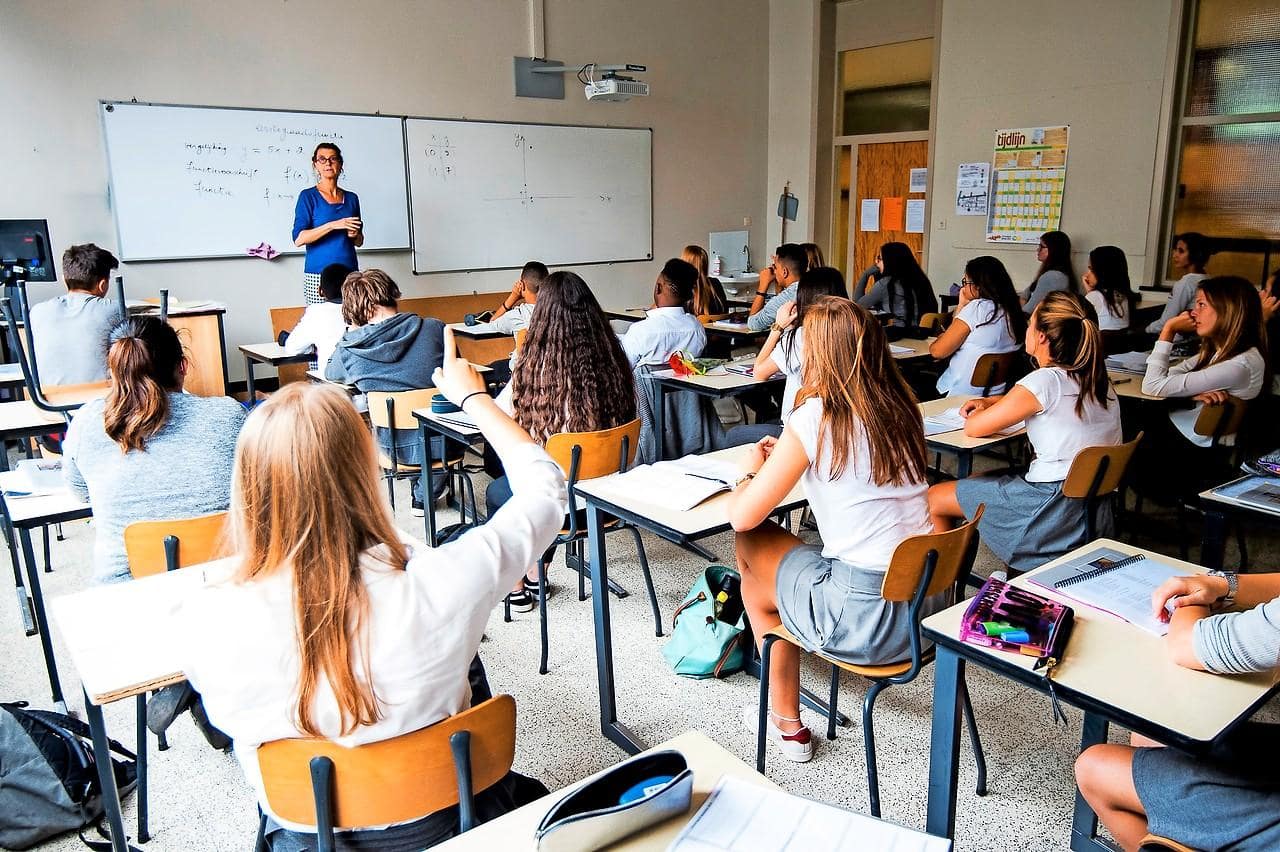
The headline novelty this year is a dedicated strand for schools. A new action, European Partnerships for School Development, lets primary and secondary schools team up across borders to improve teaching and share practice, rather than leaving mobility largely to higher education. The call also keeps funding Jean Monnet activities, which weave European topics into lessons, and forward-looking projects aimed at green and digital skills.
That tilt toward younger learners reflects a long-running criticism. For years, Erasmus was seen as a benefit for the mobile, degree-track middle class, students who could afford a semester in another country. Widening access to vocational graduates, schoolchildren and disadvantaged applicants has become a stated priority, and the 2026 programme guide leans hard into inclusion as a design goal rather than an afterthought.
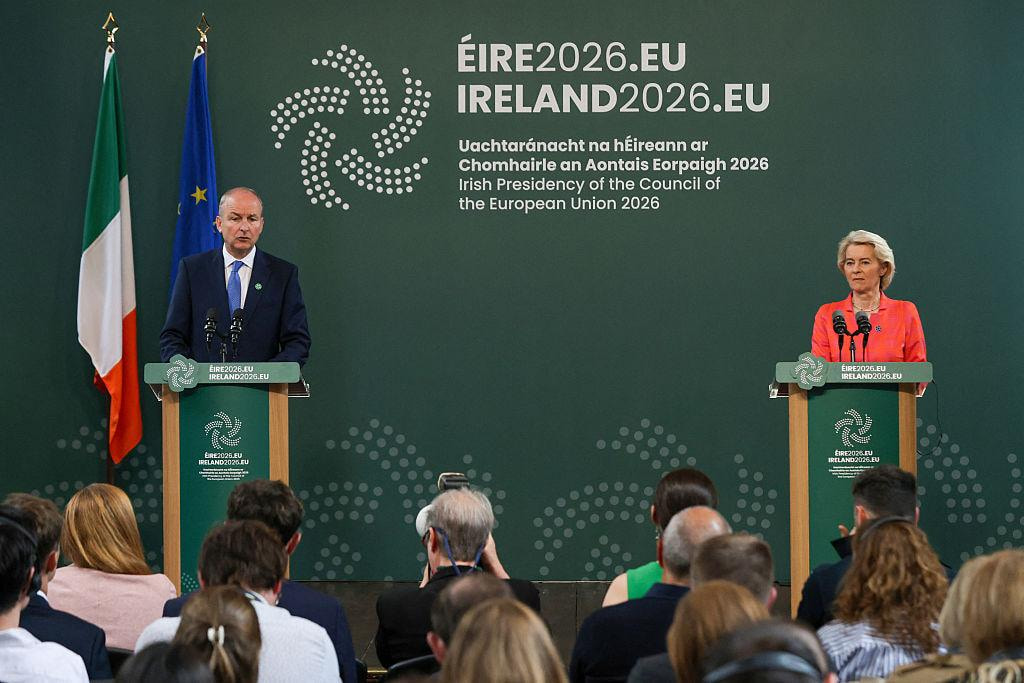
Behind this year’s call sits a bigger negotiation over the programme’s future. In May, member states agreed a common position on the Erasmus+ regulation for 2028 to 2034, the first formal step toward the next long-term budget cycle. The Council text promises continuity, building on what works while trimming red tape that applicants have long complained about.
The stakes are more than administrative. Erasmus+ funds the exchanges that shape how a generation sees the continent, and governments treat participation figures as a proxy for the project’s popularity. A programme that reaches only elite universities is easy to caricature; one that reaches a rural secondary school or an apprentice on a factory floor is harder to dismiss.
Applicants now face deadlines stretching through the year, with different windows for different actions. Coordinators are being urged to start early, since cross-border consortia take time to assemble and the paperwork, though lighter than before, still rewards preparation. For schools weighing whether to bother, the pitch is simple: the money is there, the rules are looser, and the next generation of the programme is being written right now.