August 9, 2026
LATEST
New EU Gas Market Rules Take Effect With Consumer SafeguardsDeforestation Regulation Holds Its December Deadline Despite CutsDigital Omnibus Delays Europe’s High-Risk AI Deadline to 2027Europe’s Schools Confront a Widening Basic Skills GapRule of Law Report Finds Progress but Trust Still LagsIRIS2 Gains 66 Satellites as Brussels Signs the Rollout DealNature Restoration Plans Come Due as Member States Race a DeadlineECB Rates Hold at 2.25 Percent as Frankfurt Waits on the DataEU Budget Talks Turn to Cohesion as Ireland Takes OverWildfire Response Stretches Europe’s Emergency Fleet ThinCan Europe’s Quantum Plan Match Its Big Ambitions?Armenia Edges West as Moscow’s Grip Slips AwayEurope Inherits the World’s Aid Bill It Cannot Fully PayAir Passenger Rights Get Their First Overhaul in Two DecadesErasmus Opens a 5 Billion Euro Round for Skills and MobilityCeuta Crisis Pushes the EU Toward Faster Migrant ReturnsBulky Parcels Face a Packaging Crackdown From August 12Can Europe Build Its Drone Wall Before 2030 Arrives?Indonesia’s Trade Deal With Europe Nears Its Final SignatureEurope Leans on Beijing to Keep Climate Talks Alive Before AntalyaNew EU Gas Market Rules Take Effect With Consumer SafeguardsDeforestation Regulation Holds Its December Deadline Despite CutsDigital Omnibus Delays Europe’s High-Risk AI Deadline to 2027Europe’s Schools Confront a Widening Basic Skills GapRule of Law Report Finds Progress but Trust Still LagsIRIS2 Gains 66 Satellites as Brussels Signs the Rollout DealNature Restoration Plans Come Due as Member States Race a DeadlineECB Rates Hold at 2.25 Percent as Frankfurt Waits on the DataEU Budget Talks Turn to Cohesion as Ireland Takes OverWildfire Response Stretches Europe’s Emergency Fleet ThinCan Europe’s Quantum Plan Match Its Big Ambitions?Armenia Edges West as Moscow’s Grip Slips AwayEurope Inherits the World’s Aid Bill It Cannot Fully PayAir Passenger Rights Get Their First Overhaul in Two DecadesErasmus Opens a 5 Billion Euro Round for Skills and MobilityCeuta Crisis Pushes the EU Toward Faster Migrant ReturnsBulky Parcels Face a Packaging Crackdown From August 12Can Europe Build Its Drone Wall Before 2030 Arrives?Indonesia’s Trade Deal With Europe Nears Its Final SignatureEurope Leans on Beijing to Keep Climate Talks Alive Before Antalya
August 9, 2026
LATEST
New EU Gas Market Rules Take Effect With Consumer SafeguardsDeforestation Regulation Holds Its December Deadline Despite CutsDigital Omnibus Delays Europe’s High-Risk AI Deadline to 2027Europe’s Schools Confront a Widening Basic Skills GapRule of Law Report Finds Progress but Trust Still LagsIRIS2 Gains 66 Satellites as Brussels Signs the Rollout DealNature Restoration Plans Come Due as Member States Race a DeadlineECB Rates Hold at 2.25 Percent as Frankfurt Waits on the DataEU Budget Talks Turn to Cohesion as Ireland Takes OverWildfire Response Stretches Europe’s Emergency Fleet ThinCan Europe’s Quantum Plan Match Its Big Ambitions?Armenia Edges West as Moscow’s Grip Slips AwayEurope Inherits the World’s Aid Bill It Cannot Fully PayAir Passenger Rights Get Their First Overhaul in Two DecadesErasmus Opens a 5 Billion Euro Round for Skills and MobilityCeuta Crisis Pushes the EU Toward Faster Migrant ReturnsBulky Parcels Face a Packaging Crackdown From August 12Can Europe Build Its Drone Wall Before 2030 Arrives?Indonesia’s Trade Deal With Europe Nears Its Final SignatureEurope Leans on Beijing to Keep Climate Talks Alive Before AntalyaNew EU Gas Market Rules Take Effect With Consumer SafeguardsDeforestation Regulation Holds Its December Deadline Despite CutsDigital Omnibus Delays Europe’s High-Risk AI Deadline to 2027Europe’s Schools Confront a Widening Basic Skills GapRule of Law Report Finds Progress but Trust Still LagsIRIS2 Gains 66 Satellites as Brussels Signs the Rollout DealNature Restoration Plans Come Due as Member States Race a DeadlineECB Rates Hold at 2.25 Percent as Frankfurt Waits on the DataEU Budget Talks Turn to Cohesion as Ireland Takes OverWildfire Response Stretches Europe’s Emergency Fleet ThinCan Europe’s Quantum Plan Match Its Big Ambitions?Armenia Edges West as Moscow’s Grip Slips AwayEurope Inherits the World’s Aid Bill It Cannot Fully PayAir Passenger Rights Get Their First Overhaul in Two DecadesErasmus Opens a 5 Billion Euro Round for Skills and MobilityCeuta Crisis Pushes the EU Toward Faster Migrant ReturnsBulky Parcels Face a Packaging Crackdown From August 12Can Europe Build Its Drone Wall Before 2030 Arrives?Indonesia’s Trade Deal With Europe Nears Its Final SignatureEurope Leans on Beijing to Keep Climate Talks Alive Before Antalya

EU Budget 2028-2034 Heads To A Tense Leaders’ Summit

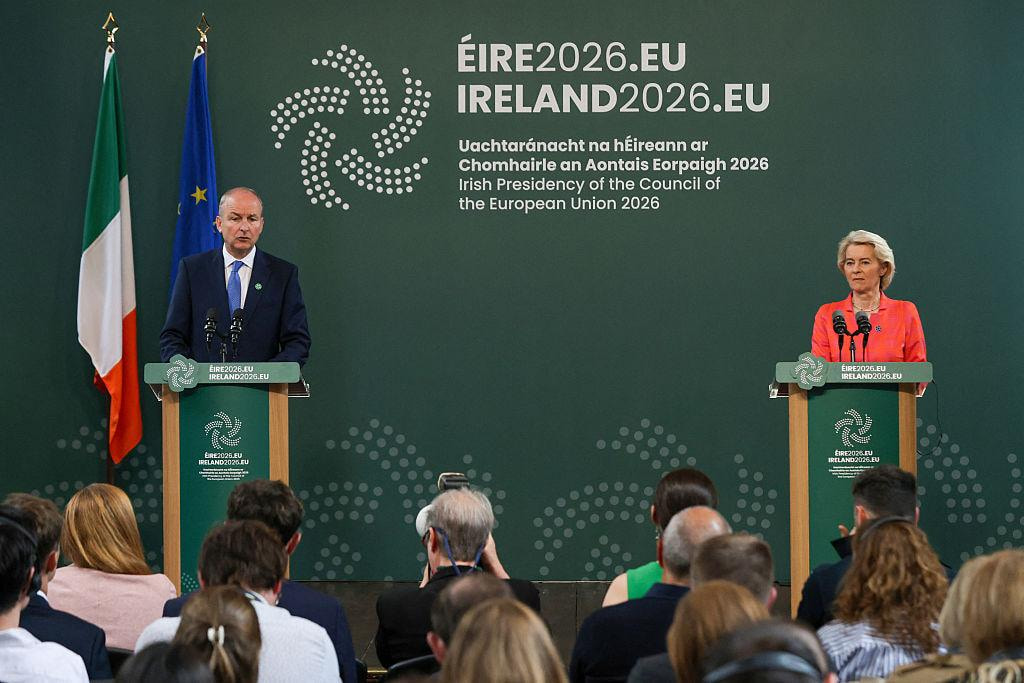
The EU budget 2028-2034 faces its first real political test this week, as heads of state and government gather on 18-19 June 2026 to weigh the bloc’s next long-term spending plan. The Commission originally valued the framework at almost €2 trillion, but a revised proposal has already trimmed the ambition before leaders even sit down.

## What the Cyprus negotiating box changes

On 11 June 2026 the Cyprus presidency circulated a mature negotiating box, the product of five months of consultation with member states. It proposes an overall reduction of around 2%, roughly €32.8 billion at current prices.

Crucially, that cut is not spread evenly. It is distributed across budget headings in a way intended to preserve the new architecture while reflecting different national sensitivities, rather than slicing each programme by the same proportion.

## Where the money is meant to go

The Commission framed the EU budget 2028-2034 around sovereignty, competitiveness and resilience, set at about 1.26% of the Union’s gross national income on average. Several flagship envelopes anchor the plan:

– A €200 billion Global Europe Instrument for external action and partner countries
– Up to €100 billion that may be mobilised for Ukraine
– New own resources designed to help finance repayments and fresh priorities

The structure marks a deliberate shift toward security and economic competitiveness, themes that have dominated EU debate since the energy and defence shocks of recent years.

## Where the fault lines run

The figures already reveal tension. The Cyprus box leans toward the “Friends of Cohesion,” the member states that defend regional and agricultural funding against pressure to redirect money toward defence and competitiveness.

Net contributors, by contrast, want discipline on the headline figure and clarity on new own resources before they commit a cent. Bridging those camps, while keeping cohesion-reliant capitals on board, is the summit’s central challenge.

## Why the timeline is so tight

Leaders have set themselves a demanding schedule. The aim is to create the conditions for an agreement by the end of 2026, allowing the legislation to be adopted in 2027 so the budget can take effect on 1 January 2028.

Miss that window, and the Union risks entering the next cycle without a settled framework, a scenario that would disrupt everything from research grants to cohesion payments and farm support.

## Key takeaways

This week’s discussion is a staging post, not a decision. The budget shares the agenda with competitiveness, Ukraine, the Middle East and migration, so leaders are likely to debate the broad balance between cohesion, defence and competitiveness rather than sign off on numbers.

The negotiating box gives the talks a concrete baseline for the first time. But the hardest fights, over new own resources and national rebates, are still ahead, and they will define how much the Union can actually afford to do after 2028.

A failure to converge this week would not sink the budget, yet it would narrow the runway. With ratification by national parliaments still to come, every month lost in Brussels raises the risk of a rushed deal that satisfies no one and locks in spending priorities for the rest of the decade.