August 9, 2026
LATEST
New EU Gas Market Rules Take Effect With Consumer SafeguardsDeforestation Regulation Holds Its December Deadline Despite CutsDigital Omnibus Delays Europe’s High-Risk AI Deadline to 2027Europe’s Schools Confront a Widening Basic Skills GapRule of Law Report Finds Progress but Trust Still LagsIRIS2 Gains 66 Satellites as Brussels Signs the Rollout DealNature Restoration Plans Come Due as Member States Race a DeadlineECB Rates Hold at 2.25 Percent as Frankfurt Waits on the DataEU Budget Talks Turn to Cohesion as Ireland Takes OverWildfire Response Stretches Europe’s Emergency Fleet ThinCan Europe’s Quantum Plan Match Its Big Ambitions?Armenia Edges West as Moscow’s Grip Slips AwayEurope Inherits the World’s Aid Bill It Cannot Fully PayAir Passenger Rights Get Their First Overhaul in Two DecadesErasmus Opens a 5 Billion Euro Round for Skills and MobilityCeuta Crisis Pushes the EU Toward Faster Migrant ReturnsBulky Parcels Face a Packaging Crackdown From August 12Can Europe Build Its Drone Wall Before 2030 Arrives?Indonesia’s Trade Deal With Europe Nears Its Final SignatureEurope Leans on Beijing to Keep Climate Talks Alive Before AntalyaNew EU Gas Market Rules Take Effect With Consumer SafeguardsDeforestation Regulation Holds Its December Deadline Despite CutsDigital Omnibus Delays Europe’s High-Risk AI Deadline to 2027Europe’s Schools Confront a Widening Basic Skills GapRule of Law Report Finds Progress but Trust Still LagsIRIS2 Gains 66 Satellites as Brussels Signs the Rollout DealNature Restoration Plans Come Due as Member States Race a DeadlineECB Rates Hold at 2.25 Percent as Frankfurt Waits on the DataEU Budget Talks Turn to Cohesion as Ireland Takes OverWildfire Response Stretches Europe’s Emergency Fleet ThinCan Europe’s Quantum Plan Match Its Big Ambitions?Armenia Edges West as Moscow’s Grip Slips AwayEurope Inherits the World’s Aid Bill It Cannot Fully PayAir Passenger Rights Get Their First Overhaul in Two DecadesErasmus Opens a 5 Billion Euro Round for Skills and MobilityCeuta Crisis Pushes the EU Toward Faster Migrant ReturnsBulky Parcels Face a Packaging Crackdown From August 12Can Europe Build Its Drone Wall Before 2030 Arrives?Indonesia’s Trade Deal With Europe Nears Its Final SignatureEurope Leans on Beijing to Keep Climate Talks Alive Before Antalya
August 9, 2026
LATEST
New EU Gas Market Rules Take Effect With Consumer SafeguardsDeforestation Regulation Holds Its December Deadline Despite CutsDigital Omnibus Delays Europe’s High-Risk AI Deadline to 2027Europe’s Schools Confront a Widening Basic Skills GapRule of Law Report Finds Progress but Trust Still LagsIRIS2 Gains 66 Satellites as Brussels Signs the Rollout DealNature Restoration Plans Come Due as Member States Race a DeadlineECB Rates Hold at 2.25 Percent as Frankfurt Waits on the DataEU Budget Talks Turn to Cohesion as Ireland Takes OverWildfire Response Stretches Europe’s Emergency Fleet ThinCan Europe’s Quantum Plan Match Its Big Ambitions?Armenia Edges West as Moscow’s Grip Slips AwayEurope Inherits the World’s Aid Bill It Cannot Fully PayAir Passenger Rights Get Their First Overhaul in Two DecadesErasmus Opens a 5 Billion Euro Round for Skills and MobilityCeuta Crisis Pushes the EU Toward Faster Migrant ReturnsBulky Parcels Face a Packaging Crackdown From August 12Can Europe Build Its Drone Wall Before 2030 Arrives?Indonesia’s Trade Deal With Europe Nears Its Final SignatureEurope Leans on Beijing to Keep Climate Talks Alive Before AntalyaNew EU Gas Market Rules Take Effect With Consumer SafeguardsDeforestation Regulation Holds Its December Deadline Despite CutsDigital Omnibus Delays Europe’s High-Risk AI Deadline to 2027Europe’s Schools Confront a Widening Basic Skills GapRule of Law Report Finds Progress but Trust Still LagsIRIS2 Gains 66 Satellites as Brussels Signs the Rollout DealNature Restoration Plans Come Due as Member States Race a DeadlineECB Rates Hold at 2.25 Percent as Frankfurt Waits on the DataEU Budget Talks Turn to Cohesion as Ireland Takes OverWildfire Response Stretches Europe’s Emergency Fleet ThinCan Europe’s Quantum Plan Match Its Big Ambitions?Armenia Edges West as Moscow’s Grip Slips AwayEurope Inherits the World’s Aid Bill It Cannot Fully PayAir Passenger Rights Get Their First Overhaul in Two DecadesErasmus Opens a 5 Billion Euro Round for Skills and MobilityCeuta Crisis Pushes the EU Toward Faster Migrant ReturnsBulky Parcels Face a Packaging Crackdown From August 12Can Europe Build Its Drone Wall Before 2030 Arrives?Indonesia’s Trade Deal With Europe Nears Its Final SignatureEurope Leans on Beijing to Keep Climate Talks Alive Before Antalya

EU Tax Simplification Package Aims to Save €8 Billion

The EU tax simplification package unveiled by the European Commission on 24 June 2026 promises to strip away some of the bloc’s most criticised compliance burdens. Officials estimate the reform could cut business costs by roughly €7.9 billion a year, the largest figure attached to any tax measure in the current mandate. For companies operating across borders, it marks a rare shift from adding rules to removing them.

## What the EU tax simplification package actually changes

The package rests on two legislative proposals. The headline measure is a Tax Omnibus Directive that would abolish withholding taxes on cross-border payments of dividends, interest and royalties between EU companies. Those levies have long forced firms into slow and uncertain refund procedures.

The Omnibus also introduces a common minimum standard for the tax treatment of investments in research-linked tangible assets. By allowing full and immediate expensing in every member state, the Commission wants to make the Union a more attractive home for high-value investment.

## Why withholding tax reform matters for cross-border firms

Withholding taxes are deducted at source when money moves between EU subsidiaries, then often reclaimed months later through national tax offices. The process ties up capital and generates disputes. Removing the levies inside the single market would end a recurring source of double taxation that businesses have flagged for years.

The change is also a competitiveness signal. With the United States and Asian economies courting mobile capital, the Commission frames lighter taxation of intra-EU flows as a way to keep investment inside the bloc.

## The DAC recast and the paperwork problem

The second proposal recasts the Directive on Administrative Cooperation. It would consolidate the layered DAC1 to DAC9 reporting rules into a single instrument, with targeted measures to cut duplicate filings and improve the quality of the data tax authorities exchange.

For finance teams, the promise is fewer overlapping templates and clearer obligations. For governments, better data should make existing transparency rules easier to enforce.

## Who gains and who stays cautious

Smaller firms and research-heavy companies stand to benefit most, since they carry compliance costs that are disproportionately heavy relative to turnover. Tax advisers have broadly welcomed the simplification drive after years of expanding obligations.

Member states are more guarded. Withholding taxes raise revenue, and any change that touches national budgets invites scrutiny. Several capitals will want assurances that anti-abuse safeguards remain intact before signing off.

Analysts also caution that the headline €7.9 billion saving is a projection, not a guarantee. Much depends on how quickly national administrations adapt their systems and whether the final text survives negotiation without carve-outs that reintroduce complexity.

## What happens next

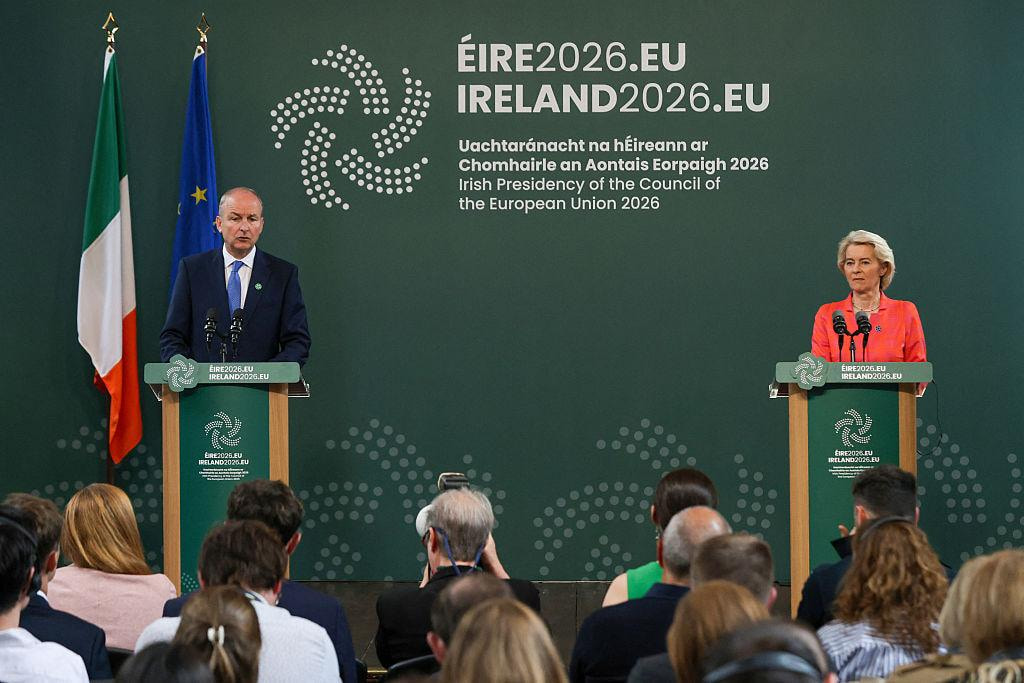
The Omnibus proposal goes to the European Parliament for consultation and, crucially, requires unanimous approval from all 27 member states. The incoming Irish Council presidency has signalled an ambition to adopt the DAC recast by year-end, though unanimity remains a high bar. Expect intensive technical talks through the autumn, with the savings estimate certain to feature in every negotiating room.