August 9, 2026
LATEST
Pension Savings Rules Get a Reset as the EU Scraps the 1% CapMedicine Shortages Move to the Heart of Europe’s Pharma ResetJapan Becomes Europe’s Closest Security Partner in AsiaCan Europe’s New Zealand Deal Anchor It in the Pacific?Chip Research Binds Europe and South Korea CloserMinimum Prices Replace Tariffs in Europe’s China Car DealBrussels and Beijing Keep Talking While the Trade Gap WidensKorean Weapons and EU Loans Now Bankroll Europe’s RearmamentNew EU Gas Market Rules Take Effect With Consumer SafeguardsDeforestation Regulation Holds Its December Deadline Despite CutsDigital Omnibus Delays Europe’s High-Risk AI Deadline to 2027Europe’s Schools Confront a Widening Basic Skills GapRule of Law Report Finds Progress but Trust Still LagsIRIS2 Gains 66 Satellites as Brussels Signs the Rollout DealNature Restoration Plans Come Due as Member States Race a DeadlineECB Rates Hold at 2.25 Percent as Frankfurt Waits on the DataEU Budget Talks Turn to Cohesion as Ireland Takes OverWildfire Response Stretches Europe’s Emergency Fleet ThinCan Europe’s Quantum Plan Match Its Big Ambitions?Armenia Edges West as Moscow’s Grip Slips AwayPension Savings Rules Get a Reset as the EU Scraps the 1% CapMedicine Shortages Move to the Heart of Europe’s Pharma ResetJapan Becomes Europe’s Closest Security Partner in AsiaCan Europe’s New Zealand Deal Anchor It in the Pacific?Chip Research Binds Europe and South Korea CloserMinimum Prices Replace Tariffs in Europe’s China Car DealBrussels and Beijing Keep Talking While the Trade Gap WidensKorean Weapons and EU Loans Now Bankroll Europe’s RearmamentNew EU Gas Market Rules Take Effect With Consumer SafeguardsDeforestation Regulation Holds Its December Deadline Despite CutsDigital Omnibus Delays Europe’s High-Risk AI Deadline to 2027Europe’s Schools Confront a Widening Basic Skills GapRule of Law Report Finds Progress but Trust Still LagsIRIS2 Gains 66 Satellites as Brussels Signs the Rollout DealNature Restoration Plans Come Due as Member States Race a DeadlineECB Rates Hold at 2.25 Percent as Frankfurt Waits on the DataEU Budget Talks Turn to Cohesion as Ireland Takes OverWildfire Response Stretches Europe’s Emergency Fleet ThinCan Europe’s Quantum Plan Match Its Big Ambitions?Armenia Edges West as Moscow’s Grip Slips Away
August 9, 2026
LATEST
Pension Savings Rules Get a Reset as the EU Scraps the 1% CapMedicine Shortages Move to the Heart of Europe’s Pharma ResetJapan Becomes Europe’s Closest Security Partner in AsiaCan Europe’s New Zealand Deal Anchor It in the Pacific?Chip Research Binds Europe and South Korea CloserMinimum Prices Replace Tariffs in Europe’s China Car DealBrussels and Beijing Keep Talking While the Trade Gap WidensKorean Weapons and EU Loans Now Bankroll Europe’s RearmamentNew EU Gas Market Rules Take Effect With Consumer SafeguardsDeforestation Regulation Holds Its December Deadline Despite CutsDigital Omnibus Delays Europe’s High-Risk AI Deadline to 2027Europe’s Schools Confront a Widening Basic Skills GapRule of Law Report Finds Progress but Trust Still LagsIRIS2 Gains 66 Satellites as Brussels Signs the Rollout DealNature Restoration Plans Come Due as Member States Race a DeadlineECB Rates Hold at 2.25 Percent as Frankfurt Waits on the DataEU Budget Talks Turn to Cohesion as Ireland Takes OverWildfire Response Stretches Europe’s Emergency Fleet ThinCan Europe’s Quantum Plan Match Its Big Ambitions?Armenia Edges West as Moscow’s Grip Slips AwayPension Savings Rules Get a Reset as the EU Scraps the 1% CapMedicine Shortages Move to the Heart of Europe’s Pharma ResetJapan Becomes Europe’s Closest Security Partner in AsiaCan Europe’s New Zealand Deal Anchor It in the Pacific?Chip Research Binds Europe and South Korea CloserMinimum Prices Replace Tariffs in Europe’s China Car DealBrussels and Beijing Keep Talking While the Trade Gap WidensKorean Weapons and EU Loans Now Bankroll Europe’s RearmamentNew EU Gas Market Rules Take Effect With Consumer SafeguardsDeforestation Regulation Holds Its December Deadline Despite CutsDigital Omnibus Delays Europe’s High-Risk AI Deadline to 2027Europe’s Schools Confront a Widening Basic Skills GapRule of Law Report Finds Progress but Trust Still LagsIRIS2 Gains 66 Satellites as Brussels Signs the Rollout DealNature Restoration Plans Come Due as Member States Race a DeadlineECB Rates Hold at 2.25 Percent as Frankfurt Waits on the DataEU Budget Talks Turn to Cohesion as Ireland Takes OverWildfire Response Stretches Europe’s Emergency Fleet ThinCan Europe’s Quantum Plan Match Its Big Ambitions?Armenia Edges West as Moscow’s Grip Slips Away

EU Wildfire Response Reaches Its Largest Ever Scale in 2026

The EU wildfire response for the 2026 summer has grown into the biggest cross-border firefighting operation the bloc has ever assembled, and the machinery is now fully live as southern Europe moves into its most dangerous weeks. The European Commission is co-financing and coordinating the deployment through the EU Civil Protection Mechanism, pooling people and aircraft from across the continent before the flames arrive rather than after.

The numbers behind the effort are striking. Some 777 firefighters from fourteen countries have been pre-positioned in high-risk zones across Cyprus, Greece, Italy, France, Spain and Portugal, the highest participation since the pre-positioning programme began in 2022. Fifteen ground teams, five teams with vehicles and an advisory unit stand ready to move wherever a national service is overwhelmed.

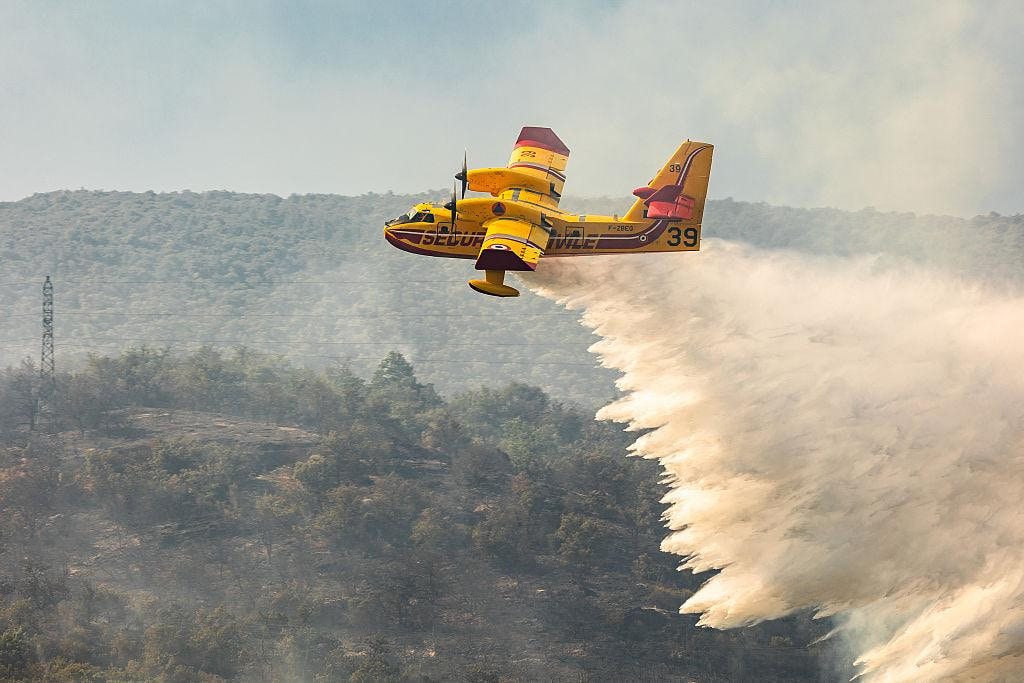
Backing them is the shared rescEU fleet, a strategic reserve financed entirely by the EU. Twenty-two firefighting planes and five helicopters are available for tasking between 15 June and 31 October, the window when Mediterranean fire risk peaks. The Commission designed the reserve precisely for moments when national and pooled capacities run short.

The logic is preventive. A blaze that crosses a French or Greek fire line in July does not respect borders, and a single member state can quickly exhaust its own aircraft and crews during a heatwave. By stationing assets in advance, Brussels shortens the response time that so often decides whether a fire is contained or races through a valley. The Commission set out its readiness plan for the season in early June, framing the deployment as the continent’s insurance policy against an increasingly volatile climate.

This year also brings a permanent addition. The EU is launching a new European regional firefighting station in Cyprus, built to host six aircraft and to run training and joint exercises for civil protection teams across Europe and the southern Mediterranean. Cypriot officials confirmed that rescEU aircraft had reached the island ahead of the fire season, giving the eastern Mediterranean a forward base it has never had before.

The political message is as important as the operational one. Wildfire seasons have lengthened and intensified, and repeated record-heat summers have turned civil protection from a niche file into a test of European solidarity. When one country calls for help, the speed of the collective answer signals whether the mechanism actually works. The Commission has leaned into that framing, presenting the 2026 mobilisation as proof that shared capacity beats twenty-seven separate scrambles.

Questions remain about whether even a record deployment can keep pace with the risk. Climate scientists warn that fire weather is arriving earlier and lasting longer, stretching a fleet that must also cover floods and other emergencies. The Cyprus hub and the enlarged reserve buy capacity, yet each severe season tests the limits of aircraft that can only be in one place at a time.

For now, the pre-positioned crews and the rescEU fleet give Europe more reach than in any previous year. The coming weeks will decide whether that proves enough, as the first major fires of the season put the largest EU wildfire response yet to the test. The Commission laid out its full readiness package in its June briefing on the season ahead.