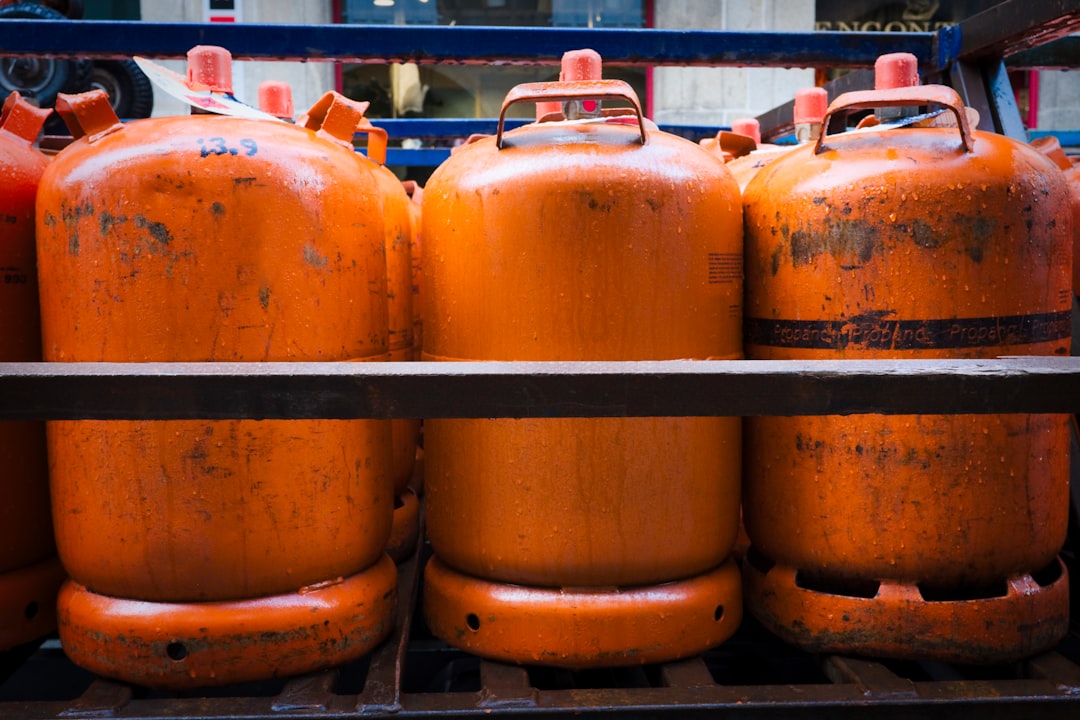
Europe is quietly relaxing the very rule it built in a panic. The 90% gas storage target, introduced after Russia’s 2022 invasion of Ukraine to guard against a winter supply shock, is being softened just as the bloc heads into its 2026 refilling season, and the shift says as much about prices as it does about security.
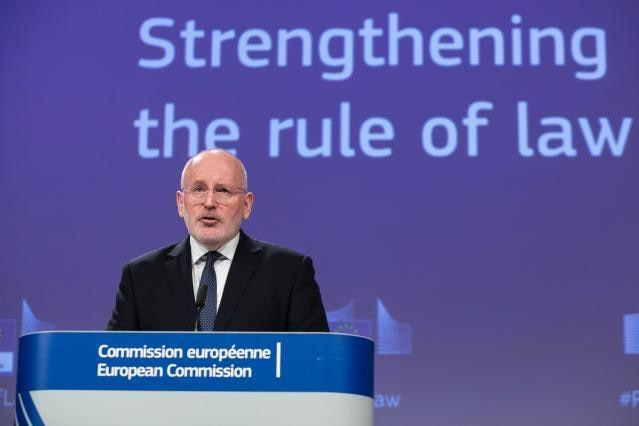
Under guidance pressed by Energy Commissioner Dan Jorgensen, capitals are being invited to treat 80% as the working goal rather than the headline 90% figure, and to reach it as early in the filling season as they can. The logic is counterintuitive only at first glance. A rigid 90% mandate forces utilities to buy heavily over the summer regardless of price, a predictable surge of demand that traders can see coming and lean on, pushing up the cost of every molecule the continent stores. By loosening the target and stretching the timeline, the Commission hopes to take the seasonal froth out of the market and ease pressure on prices that still sit well above pre-crisis norms.
The flexibility is real. The amended Gas Storage Regulation no longer demands 90% precisely by 1 November; the target can now be met at any point between 1 October and 1 December across the 2025, 2026 and 2027 seasons. Member states may also deviate from the 80% benchmark by up to 10 percentage points, with a further five-point allowance when market conditions turn unfavourable, meaning some countries could enter winter with storage as low as 70% and still be deemed compliant. These were not abstract provisions: they were leaned on during the tense spring of 2026, when geopolitical strain over the Gulf rattled LNG supply and the Commission urged early refills while easing the formal goal.
Behind the policy lies a bet on infrastructure. The bloc has commissioned a wave of new regasification capacity since 2022, and officials argue the system is now resilient enough to absorb lower opening storage levels without courting a crisis. The Gas Coordination Group, which brings together member states, regulators and industry, has twice this year confirmed the EU is prepared for the season ahead, judging that storage can be refilled to at least 80% by November depending on how much LNG actually shows up. That caveat matters, because the comfort rests on global gas markets staying well supplied.
The trade-off is the familiar tension between security and cost. The 90% rule was deliberately blunt, a political signal that Europe would never again be caught with empty tanks and an aggressor controlling the taps. Diluting it saves money and calms traders, but it also reintroduces a sliver of the vulnerability the original regulation was designed to erase. A mild winter and ample LNG would vindicate the lighter touch; a cold snap colliding with a supply disruption would test whether 80% leaves enough margin.
For households and energy-intensive industry, the immediate hope is downward pressure on bills as the artificial summer buying spree fades. For policymakers, the deeper question is whether the crisis-era reflex of maximal storage has given way to a more mature, price-aware approach, or merely to complacency dressed up as flexibility. The answer will not be known until the cold arrives, and by then the tanks will be as full, or as empty, as this gamble allows.