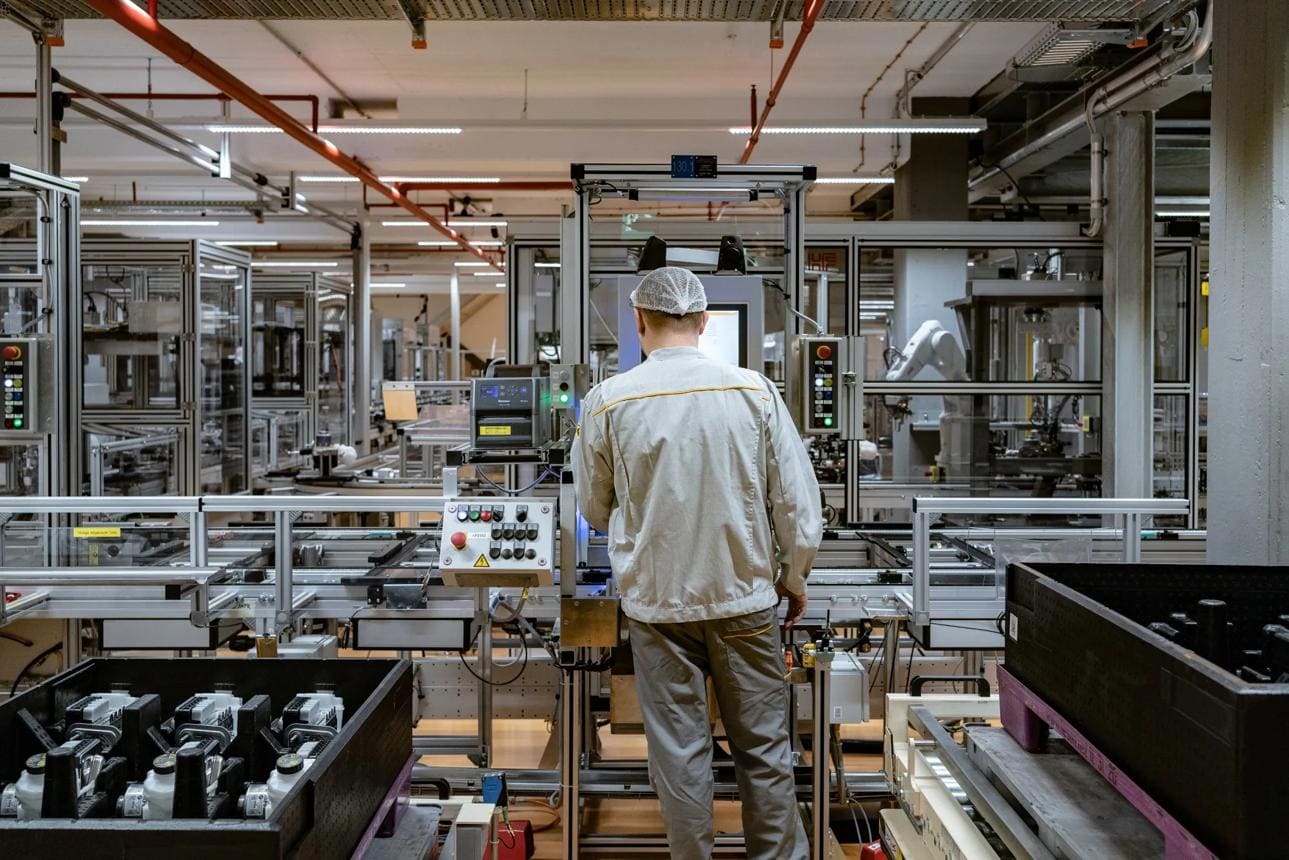
Europe’s factories spent June treading water, according to fresh figures that landed in Brussels and offered little to cheer manufacturers hoping for a summer rebound. Seasonally adjusted industrial production held flat across the euro area compared with May and edged up just 0.2% in the wider European Union, a result that keeps the sector stuck in the sideways drift it has followed for much of the year.
Eurostat, the bloc’s statistics office, published the estimate on 13 August and set out a picture of an industrial base that is neither collapsing nor recovering. Measured against June last year, output rose a slender 0.1% in the euro area and 0.6% across the EU. Those gains are small enough to vanish inside the usual monthly revisions, and they underline how far European manufacturing still sits from the momentum it enjoyed before the energy shocks of recent years.
The detail beneath the headline reveals a lopsided month. Production of non-durable consumer goods jumped 3.0%, the strongest performer by some distance, while energy output climbed 1.5%. Those advances masked weakness elsewhere. Capital goods, the machinery and equipment that signal business investment, fell 1.4%, and intermediate goods slipped 0.8%. Durable consumer goods managed a modest 0.3% rise. When the investment-linked categories retreat, economists read it as a warning that firms remain cautious about committing to new capacity.
National results scattered widely, as they usually do in a single month, with some member states posting sharp gains and others giving back ground. The figures feed directly into the European Central Bank’s reading of the economy as it weighs whether to move rates again in September. Flat factory output gives the doves fresh ammunition, since a sector running in place adds little to the inflationary pressure the bank has spent two years trying to tame.
The timing also matters because industry is battling more than soft demand. A punishing drought has drained the rivers that carry raw materials to plants along the Rhine and the Danube, forcing barges to sail half empty and lifting freight costs for heavy manufacturers. High energy prices, uneven global orders and the drag from trade tensions all sit on the same balance sheet, and June’s standstill suggests none of those headwinds has eased.
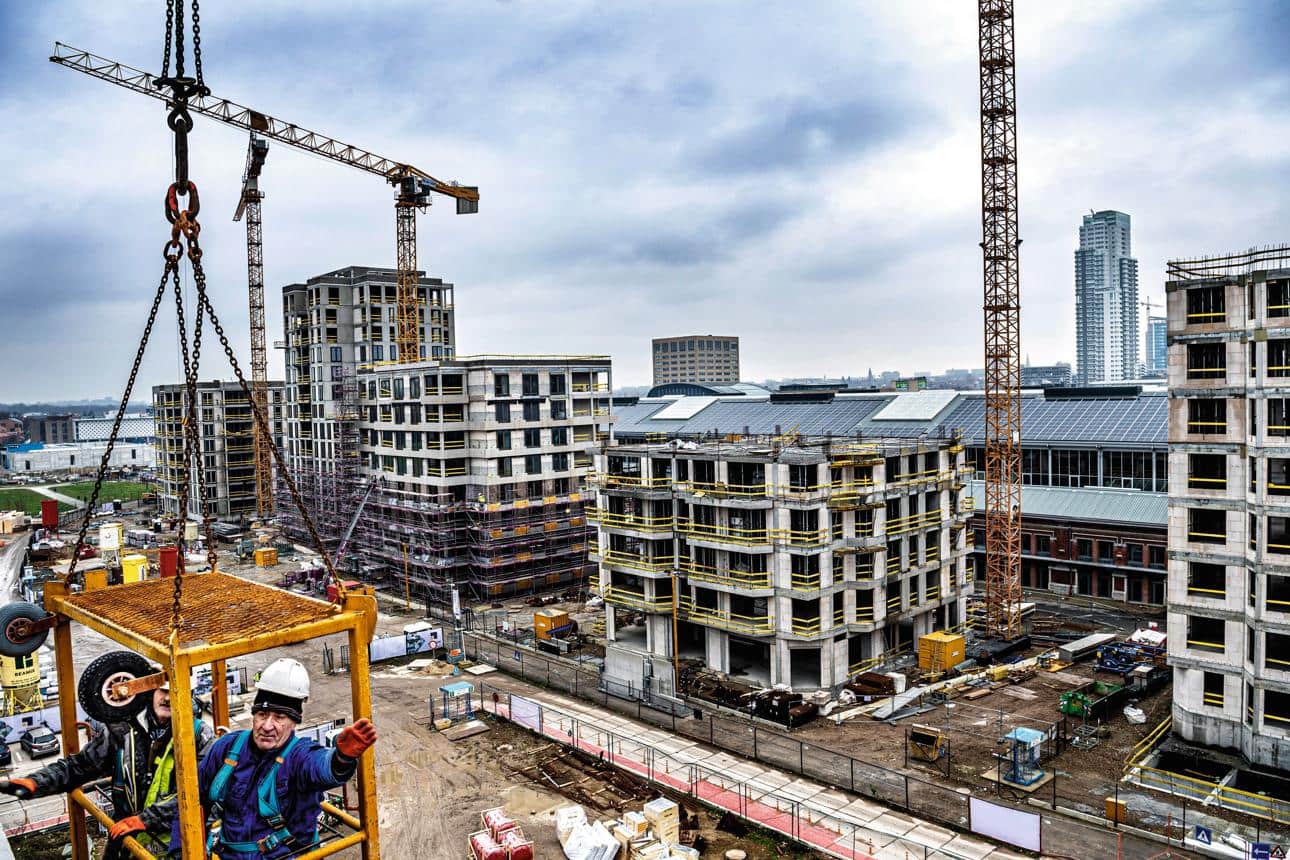
For now the euro area economy is leaning on services and construction rather than the factory floor. Whether that holds through the autumn depends on orders that have yet to firm up and on an external environment that remains unsettled. The full Eurostat release lands alongside separate trade and inflation readings that together shape the bloc’s near-term outlook, and on this evidence the recovery in European industry is still waiting for a spark.