Higher Vaping Taxes Founder on the Rock of Council Unanimity
Miroslav Krleža
Institutional Affairs Reporter, Taxation
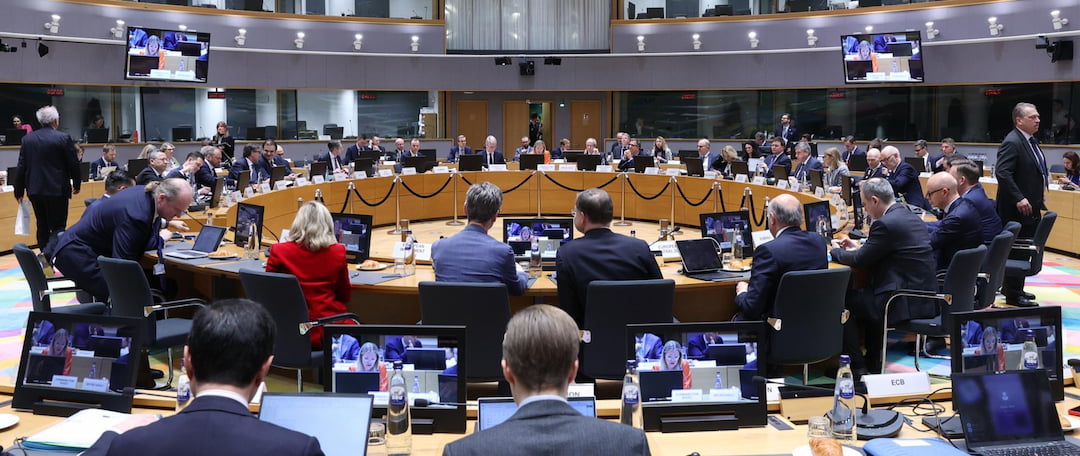
The European Union’s long effort to modernise how it taxes cigarettes and their newer rivals has run into the wall it was always likely to hit, namely the requirement that all twenty-seven governments agree. After months of talks, the Cypriot presidency conceded that no consensus was in reach on the revised Tobacco Taxation Directive, leaving one of the health file’s most consequential measures stranded between ambition and unanimity. The Commission’s proposal, presented in mid-2025, was designed to drag an ageing framework into the era of vaping. For the first time it would set minimum EU-wide excise duties on e-cigarettes, heated tobacco and nicotine pouches, products that have surged in popularity yet largely escape the duties levied on conventional cigarettes. Brussels cast the overhaul as a pillar of its Beating Cancer Plan, which aims for a tobacco-free generation by 2040 at a time when roughly a quarter of EU adults still smoke. Higher and more uniform taxes, the logic runs, are among the most effective tools public health officials have to deter young consumers. Parliament’s response revealed how fraught that logic becomes once national markets are involved. The economic affairs committee endorsed a position that softened the Commission’s plan on almost every front, favouring lower rates and longer transition periods for novel products and resisting steep increases on cigars. In the chamber, lawmakers then rejected a bid to freeze cigarette minimum duties at their current level, a messy outcome that settled little and effectively handed the decision back to national capitals. There the arithmetic of unanimity takes over. Because tax measures require the unanimous backing of member states, a single capital can halt the entire package, and several have reason to. Sweden, home to a large snus and nicotine-pouch industry, has lobbied to keep levies on alternative products low and is reported to have blocked a broader push for a higher tax floor. Lower-income members worry that sharp rises will fuel smuggling and cross-border shopping, eroding revenue rather than raising it. Higher-tax states counter that divergent rates already distort the market and undercut shared health goals. The impasse illustrates a structural tension at the heart of EU fiscal policy. Taxation remains one of the few areas where the Union still demands unanimity, a rule its defenders see as a vital guard of national sovereignty and its critics blame for paralysis on everything from digital levies to energy duties. On tobacco the stakes are unusually personal, since the money flows to national treasuries while the health benefits accrue Union-wide, giving every government an incentive to protect its own base. Public-health campaigners warn that each year of delay costs lives, while industry argues that aggressive taxation merely pushes trade underground. For now the file returns to the Council table, where successive presidencies will try to broker a compromise that can satisfy both Stockholm’s manufacturers and Brussels’s cancer strategists. The Commission still hopes the rules can apply from 2028, with a four-year transition to cushion the change. Whether that timetable survives contact with twenty-seven finance ministries is, on current evidence, very much an open question.