August 9, 2026
LATEST
New EU Gas Market Rules Take Effect With Consumer SafeguardsDeforestation Regulation Holds Its December Deadline Despite CutsDigital Omnibus Delays Europe’s High-Risk AI Deadline to 2027Europe’s Schools Confront a Widening Basic Skills GapRule of Law Report Finds Progress but Trust Still LagsIRIS2 Gains 66 Satellites as Brussels Signs the Rollout DealNature Restoration Plans Come Due as Member States Race a DeadlineECB Rates Hold at 2.25 Percent as Frankfurt Waits on the DataEU Budget Talks Turn to Cohesion as Ireland Takes OverWildfire Response Stretches Europe’s Emergency Fleet ThinCan Europe’s Quantum Plan Match Its Big Ambitions?Armenia Edges West as Moscow’s Grip Slips AwayEurope Inherits the World’s Aid Bill It Cannot Fully PayAir Passenger Rights Get Their First Overhaul in Two DecadesErasmus Opens a 5 Billion Euro Round for Skills and MobilityCeuta Crisis Pushes the EU Toward Faster Migrant ReturnsBulky Parcels Face a Packaging Crackdown From August 12Can Europe Build Its Drone Wall Before 2030 Arrives?Indonesia’s Trade Deal With Europe Nears Its Final SignatureEurope Leans on Beijing to Keep Climate Talks Alive Before AntalyaNew EU Gas Market Rules Take Effect With Consumer SafeguardsDeforestation Regulation Holds Its December Deadline Despite CutsDigital Omnibus Delays Europe’s High-Risk AI Deadline to 2027Europe’s Schools Confront a Widening Basic Skills GapRule of Law Report Finds Progress but Trust Still LagsIRIS2 Gains 66 Satellites as Brussels Signs the Rollout DealNature Restoration Plans Come Due as Member States Race a DeadlineECB Rates Hold at 2.25 Percent as Frankfurt Waits on the DataEU Budget Talks Turn to Cohesion as Ireland Takes OverWildfire Response Stretches Europe’s Emergency Fleet ThinCan Europe’s Quantum Plan Match Its Big Ambitions?Armenia Edges West as Moscow’s Grip Slips AwayEurope Inherits the World’s Aid Bill It Cannot Fully PayAir Passenger Rights Get Their First Overhaul in Two DecadesErasmus Opens a 5 Billion Euro Round for Skills and MobilityCeuta Crisis Pushes the EU Toward Faster Migrant ReturnsBulky Parcels Face a Packaging Crackdown From August 12Can Europe Build Its Drone Wall Before 2030 Arrives?Indonesia’s Trade Deal With Europe Nears Its Final SignatureEurope Leans on Beijing to Keep Climate Talks Alive Before Antalya
August 9, 2026
LATEST
New EU Gas Market Rules Take Effect With Consumer SafeguardsDeforestation Regulation Holds Its December Deadline Despite CutsDigital Omnibus Delays Europe’s High-Risk AI Deadline to 2027Europe’s Schools Confront a Widening Basic Skills GapRule of Law Report Finds Progress but Trust Still LagsIRIS2 Gains 66 Satellites as Brussels Signs the Rollout DealNature Restoration Plans Come Due as Member States Race a DeadlineECB Rates Hold at 2.25 Percent as Frankfurt Waits on the DataEU Budget Talks Turn to Cohesion as Ireland Takes OverWildfire Response Stretches Europe’s Emergency Fleet ThinCan Europe’s Quantum Plan Match Its Big Ambitions?Armenia Edges West as Moscow’s Grip Slips AwayEurope Inherits the World’s Aid Bill It Cannot Fully PayAir Passenger Rights Get Their First Overhaul in Two DecadesErasmus Opens a 5 Billion Euro Round for Skills and MobilityCeuta Crisis Pushes the EU Toward Faster Migrant ReturnsBulky Parcels Face a Packaging Crackdown From August 12Can Europe Build Its Drone Wall Before 2030 Arrives?Indonesia’s Trade Deal With Europe Nears Its Final SignatureEurope Leans on Beijing to Keep Climate Talks Alive Before AntalyaNew EU Gas Market Rules Take Effect With Consumer SafeguardsDeforestation Regulation Holds Its December Deadline Despite CutsDigital Omnibus Delays Europe’s High-Risk AI Deadline to 2027Europe’s Schools Confront a Widening Basic Skills GapRule of Law Report Finds Progress but Trust Still LagsIRIS2 Gains 66 Satellites as Brussels Signs the Rollout DealNature Restoration Plans Come Due as Member States Race a DeadlineECB Rates Hold at 2.25 Percent as Frankfurt Waits on the DataEU Budget Talks Turn to Cohesion as Ireland Takes OverWildfire Response Stretches Europe’s Emergency Fleet ThinCan Europe’s Quantum Plan Match Its Big Ambitions?Armenia Edges West as Moscow’s Grip Slips AwayEurope Inherits the World’s Aid Bill It Cannot Fully PayAir Passenger Rights Get Their First Overhaul in Two DecadesErasmus Opens a 5 Billion Euro Round for Skills and MobilityCeuta Crisis Pushes the EU Toward Faster Migrant ReturnsBulky Parcels Face a Packaging Crackdown From August 12Can Europe Build Its Drone Wall Before 2030 Arrives?Indonesia’s Trade Deal With Europe Nears Its Final SignatureEurope Leans on Beijing to Keep Climate Talks Alive Before Antalya

Hungary’s Pandemic Cash Lands Back On Table Under New Pact

A political handshake set for the Berlaymont this Thursday brings Hungary’s frozen recovery envelope back into play after almost three years of conditionality, with both sides admitting that the calendar, not the negotiation, is now the binding constraint.

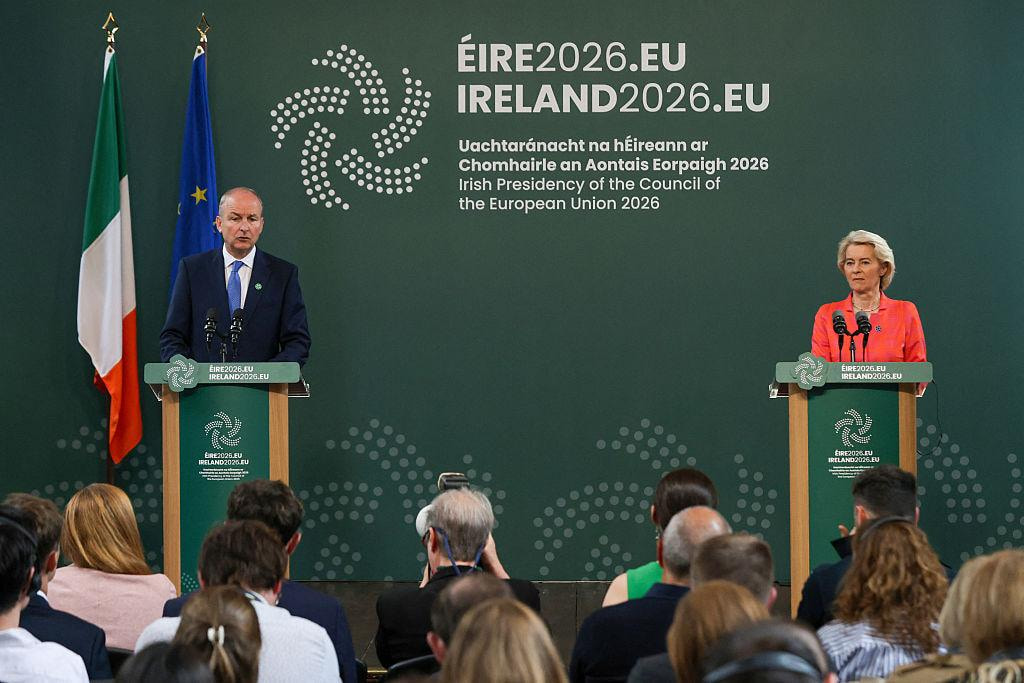
Prime Minister Péter Magyar is travelling to the Commission to sign a memorandum with Ursula von der Leyen that maps a path to the 10.4 billion euros parked in the Recovery and Resilience Facility for Budapest. That envelope is set to expire on 31 August unless Hungary clears the milestones the Council attached to the 2022 decision that froze the money in the first place. A wider 17 billion euros across cohesion and other instruments remains tied to a separate set of triggers, but it is the pandemic tranche that has dominated the technical track this spring because the cliff is shorter.

What changed since April is the political backdrop. The Magyar government, in office for barely six weeks after a sweeping parliamentary win, has built its programme around closing the corruption files that the previous administration left open. Anti-corruption authority reforms, prosecutorial independence, public procurement transparency, and judicial appointments are all back on the legislative slate. The Commission’s read, made public by the justice commissioner earlier today, is that Budapest is on a clear and steadfast path. That language is not accidental. It signals that the assessment ladder is moving in one direction, but with no commitment to a date.

The reform list itself is not entirely uncontested. Two files have generated visible friction in the technical talks: a recalibration of the second-pillar pension framework, and a reform of the personal income tax regime that the Council had earmarked under the milestones. Magyar’s team has argued that both touch the central budget at a moment when Hungary’s deficit is already drifting outside the 3 percent ceiling, and has asked for a sequencing concession. Commission officials have so far pushed back on splitting the package, on the view that conditionality loses its bite if individual milestones can be deferred while payment requests advance.

The political memorandum due Thursday is expected to set out a calendar rather than declare victory. Once signed, Budapest can submit the first payment request, which the Commission would assess against the milestones cleared by the August window. First disbursement in that scenario would land before the end of the calendar year, though the order in which tranches release will depend on which judicial and anti-corruption changes carry through parliament without dilution in committee.

For the broader rule-of-law file, the choreography around Hungary will be watched closely by capitals where conditionality has been a quieter feature of the cycle. The Commission has insisted throughout that the framework is rules-based and reversible only on documented compliance, not on political vibe. That insistence will be tested. Budapest’s window for the pandemic envelope is essentially a flying calendar, and the political cost of returning the cash to the central pool is high enough that pressure to find soft landings is real. Civil society groups in Brussels and Budapest have already signalled that they will track the language of the milestones against the texts that reach the Hungarian parliament, to flag any quiet downgrades.

The structural lesson is that the rule-of-law toolkit has graduated from contested doctrine into operational practice. A government has changed, a deadline is closing, and the legal architecture is now the binding instrument shaping reforms in a member state. Whether the August cliff is met or missed, the framework has moved past its first major operational stress test, and the precedents it sets this summer will carry into the next conditionality file the bloc opens.