August 9, 2026
LATEST
New EU Gas Market Rules Take Effect With Consumer SafeguardsDeforestation Regulation Holds Its December Deadline Despite CutsDigital Omnibus Delays Europe’s High-Risk AI Deadline to 2027Europe’s Schools Confront a Widening Basic Skills GapRule of Law Report Finds Progress but Trust Still LagsIRIS2 Gains 66 Satellites as Brussels Signs the Rollout DealNature Restoration Plans Come Due as Member States Race a DeadlineECB Rates Hold at 2.25 Percent as Frankfurt Waits on the DataEU Budget Talks Turn to Cohesion as Ireland Takes OverWildfire Response Stretches Europe’s Emergency Fleet ThinCan Europe’s Quantum Plan Match Its Big Ambitions?Armenia Edges West as Moscow’s Grip Slips AwayEurope Inherits the World’s Aid Bill It Cannot Fully PayAir Passenger Rights Get Their First Overhaul in Two DecadesErasmus Opens a 5 Billion Euro Round for Skills and MobilityCeuta Crisis Pushes the EU Toward Faster Migrant ReturnsBulky Parcels Face a Packaging Crackdown From August 12Can Europe Build Its Drone Wall Before 2030 Arrives?Indonesia’s Trade Deal With Europe Nears Its Final SignatureEurope Leans on Beijing to Keep Climate Talks Alive Before AntalyaNew EU Gas Market Rules Take Effect With Consumer SafeguardsDeforestation Regulation Holds Its December Deadline Despite CutsDigital Omnibus Delays Europe’s High-Risk AI Deadline to 2027Europe’s Schools Confront a Widening Basic Skills GapRule of Law Report Finds Progress but Trust Still LagsIRIS2 Gains 66 Satellites as Brussels Signs the Rollout DealNature Restoration Plans Come Due as Member States Race a DeadlineECB Rates Hold at 2.25 Percent as Frankfurt Waits on the DataEU Budget Talks Turn to Cohesion as Ireland Takes OverWildfire Response Stretches Europe’s Emergency Fleet ThinCan Europe’s Quantum Plan Match Its Big Ambitions?Armenia Edges West as Moscow’s Grip Slips AwayEurope Inherits the World’s Aid Bill It Cannot Fully PayAir Passenger Rights Get Their First Overhaul in Two DecadesErasmus Opens a 5 Billion Euro Round for Skills and MobilityCeuta Crisis Pushes the EU Toward Faster Migrant ReturnsBulky Parcels Face a Packaging Crackdown From August 12Can Europe Build Its Drone Wall Before 2030 Arrives?Indonesia’s Trade Deal With Europe Nears Its Final SignatureEurope Leans on Beijing to Keep Climate Talks Alive Before Antalya
August 9, 2026
LATEST
New EU Gas Market Rules Take Effect With Consumer SafeguardsDeforestation Regulation Holds Its December Deadline Despite CutsDigital Omnibus Delays Europe’s High-Risk AI Deadline to 2027Europe’s Schools Confront a Widening Basic Skills GapRule of Law Report Finds Progress but Trust Still LagsIRIS2 Gains 66 Satellites as Brussels Signs the Rollout DealNature Restoration Plans Come Due as Member States Race a DeadlineECB Rates Hold at 2.25 Percent as Frankfurt Waits on the DataEU Budget Talks Turn to Cohesion as Ireland Takes OverWildfire Response Stretches Europe’s Emergency Fleet ThinCan Europe’s Quantum Plan Match Its Big Ambitions?Armenia Edges West as Moscow’s Grip Slips AwayEurope Inherits the World’s Aid Bill It Cannot Fully PayAir Passenger Rights Get Their First Overhaul in Two DecadesErasmus Opens a 5 Billion Euro Round for Skills and MobilityCeuta Crisis Pushes the EU Toward Faster Migrant ReturnsBulky Parcels Face a Packaging Crackdown From August 12Can Europe Build Its Drone Wall Before 2030 Arrives?Indonesia’s Trade Deal With Europe Nears Its Final SignatureEurope Leans on Beijing to Keep Climate Talks Alive Before AntalyaNew EU Gas Market Rules Take Effect With Consumer SafeguardsDeforestation Regulation Holds Its December Deadline Despite CutsDigital Omnibus Delays Europe’s High-Risk AI Deadline to 2027Europe’s Schools Confront a Widening Basic Skills GapRule of Law Report Finds Progress but Trust Still LagsIRIS2 Gains 66 Satellites as Brussels Signs the Rollout DealNature Restoration Plans Come Due as Member States Race a DeadlineECB Rates Hold at 2.25 Percent as Frankfurt Waits on the DataEU Budget Talks Turn to Cohesion as Ireland Takes OverWildfire Response Stretches Europe’s Emergency Fleet ThinCan Europe’s Quantum Plan Match Its Big Ambitions?Armenia Edges West as Moscow’s Grip Slips AwayEurope Inherits the World’s Aid Bill It Cannot Fully PayAir Passenger Rights Get Their First Overhaul in Two DecadesErasmus Opens a 5 Billion Euro Round for Skills and MobilityCeuta Crisis Pushes the EU Toward Faster Migrant ReturnsBulky Parcels Face a Packaging Crackdown From August 12Can Europe Build Its Drone Wall Before 2030 Arrives?Indonesia’s Trade Deal With Europe Nears Its Final SignatureEurope Leans on Beijing to Keep Climate Talks Alive Before Antalya

June countdown begins as asylum pact moves into operational phase

Athens: With less than a month to go before the Pact on Migration and Asylum becomes fully applicable on 12 June, the Commission’s 8 May progress report has shifted the conversation from political design to operational readiness. The headline finding is ambiguous: member states have made significant progress, but the work is far from complete. The Greek interior ministry, which manages some of the Union’s most pressured external borders, has been candid that the next stage will be harder than the last.

The Pact rewrites the rules of first contact. New screening procedures, accelerated border asylum tracks, mandatory fingerprint enrolment in an upgraded Eurodac biometric database, and a solidarity mechanism that allows member states to choose between accepting relocations or paying financial contributions all come into force together. The architecture is ambitious by any standard and will only work if the underlying infrastructure — physical facilities, IT systems, trained staff, legal support — is in place at every external entry point.

Progress on that infrastructure has been uneven. Eurodac upgrades are largely on schedule, with most national authorities now able to enrol biometric data within statutory time limits. Physical screening centres are further behind, particularly in member states where site selection has run into local political resistance. Training for the staff who will conduct border procedures is in progress, but the volume required is large and the legal complexity high. Fundamental rights monitoring mechanisms — a non-negotiable element of the compromise that produced the Pact — are operational in some member states and merely drafted in others.

The Council added two further pieces to the architecture in February: an EU-wide list of safe countries of origin and a revised safe third country concept. Both are meant to accelerate the processing of applications from nationals of designated countries and to give member states more flexibility to reject claims as inadmissible. Civil society groups have warned that the new tools risk lowering protection standards in practice, particularly if national administrations apply them inconsistently. The Commission has emphasised that the underlying right to individual assessment remains intact.

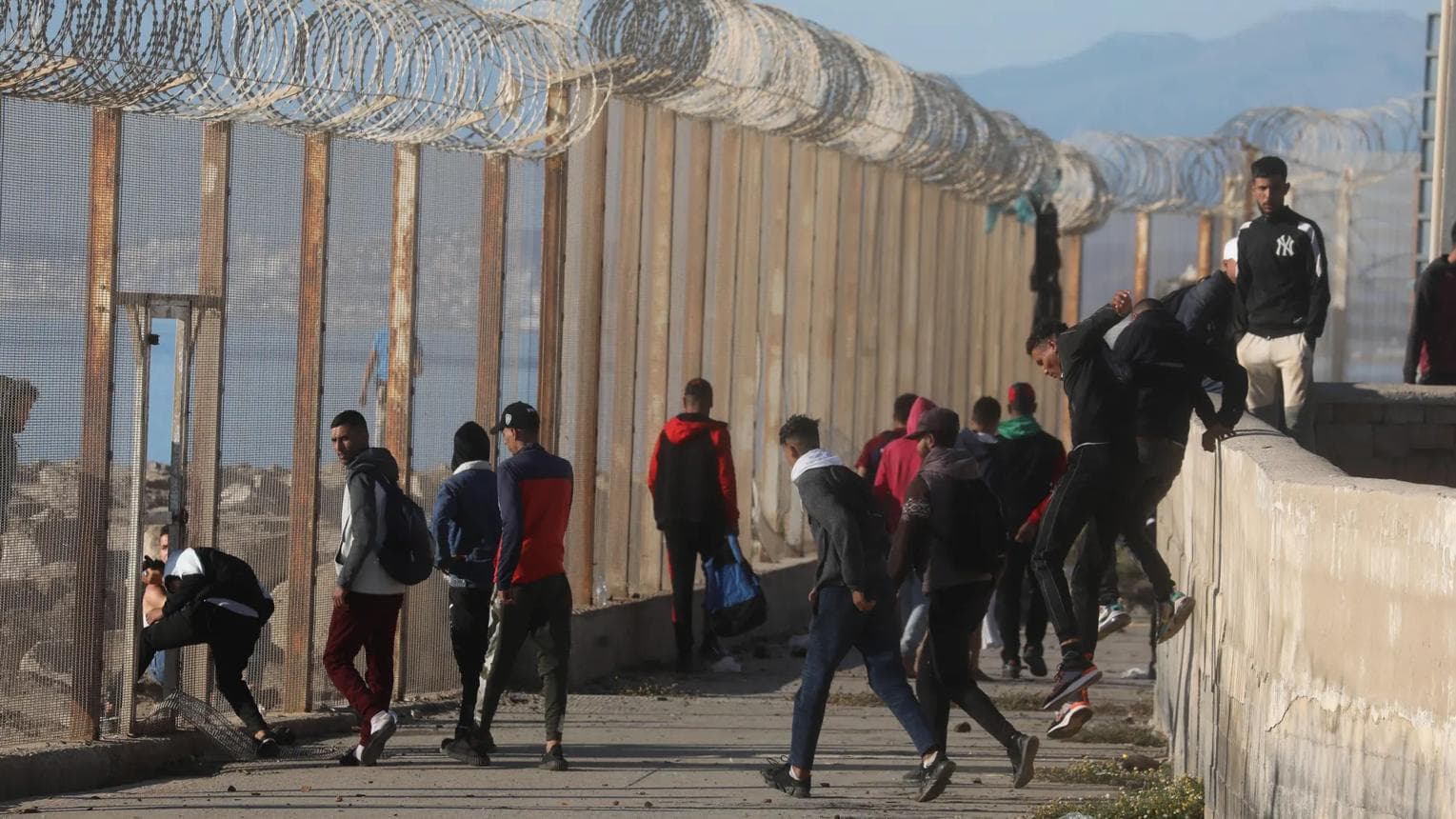
Operational readiness in frontline states is the variable that will probably determine whether 12 June feels like a milestone or a stumbling block. Greece, Italy, Spain and Malta are the most exposed; each has spent the past two years rebuilding reception capacity and negotiating staffing arrangements with EU agencies. Frontex has expanded its presence at external borders, and the European Union Agency for Asylum is supporting national authorities with technical assistance. None of this guarantees smooth implementation. What it does mean is that the bottlenecks, when they appear, will be visible quickly.

The political stakes are higher than the technical timeline suggests. Migration remains a polarising issue in every member state, and the Pact’s credibility rests on whether it delivers a perceptible difference at the external border within months, not years. The next twelve weeks will determine whether the Commission can frame June as the start of a working system or the start of a long debugging period.