August 9, 2026
LATEST
New EU Gas Market Rules Take Effect With Consumer SafeguardsDeforestation Regulation Holds Its December Deadline Despite CutsDigital Omnibus Delays Europe’s High-Risk AI Deadline to 2027Europe’s Schools Confront a Widening Basic Skills GapRule of Law Report Finds Progress but Trust Still LagsIRIS2 Gains 66 Satellites as Brussels Signs the Rollout DealNature Restoration Plans Come Due as Member States Race a DeadlineECB Rates Hold at 2.25 Percent as Frankfurt Waits on the DataEU Budget Talks Turn to Cohesion as Ireland Takes OverWildfire Response Stretches Europe’s Emergency Fleet ThinCan Europe’s Quantum Plan Match Its Big Ambitions?Armenia Edges West as Moscow’s Grip Slips AwayEurope Inherits the World’s Aid Bill It Cannot Fully PayAir Passenger Rights Get Their First Overhaul in Two DecadesErasmus Opens a 5 Billion Euro Round for Skills and MobilityCeuta Crisis Pushes the EU Toward Faster Migrant ReturnsBulky Parcels Face a Packaging Crackdown From August 12Can Europe Build Its Drone Wall Before 2030 Arrives?Indonesia’s Trade Deal With Europe Nears Its Final SignatureEurope Leans on Beijing to Keep Climate Talks Alive Before AntalyaNew EU Gas Market Rules Take Effect With Consumer SafeguardsDeforestation Regulation Holds Its December Deadline Despite CutsDigital Omnibus Delays Europe’s High-Risk AI Deadline to 2027Europe’s Schools Confront a Widening Basic Skills GapRule of Law Report Finds Progress but Trust Still LagsIRIS2 Gains 66 Satellites as Brussels Signs the Rollout DealNature Restoration Plans Come Due as Member States Race a DeadlineECB Rates Hold at 2.25 Percent as Frankfurt Waits on the DataEU Budget Talks Turn to Cohesion as Ireland Takes OverWildfire Response Stretches Europe’s Emergency Fleet ThinCan Europe’s Quantum Plan Match Its Big Ambitions?Armenia Edges West as Moscow’s Grip Slips AwayEurope Inherits the World’s Aid Bill It Cannot Fully PayAir Passenger Rights Get Their First Overhaul in Two DecadesErasmus Opens a 5 Billion Euro Round for Skills and MobilityCeuta Crisis Pushes the EU Toward Faster Migrant ReturnsBulky Parcels Face a Packaging Crackdown From August 12Can Europe Build Its Drone Wall Before 2030 Arrives?Indonesia’s Trade Deal With Europe Nears Its Final SignatureEurope Leans on Beijing to Keep Climate Talks Alive Before Antalya
August 9, 2026
LATEST
New EU Gas Market Rules Take Effect With Consumer SafeguardsDeforestation Regulation Holds Its December Deadline Despite CutsDigital Omnibus Delays Europe’s High-Risk AI Deadline to 2027Europe’s Schools Confront a Widening Basic Skills GapRule of Law Report Finds Progress but Trust Still LagsIRIS2 Gains 66 Satellites as Brussels Signs the Rollout DealNature Restoration Plans Come Due as Member States Race a DeadlineECB Rates Hold at 2.25 Percent as Frankfurt Waits on the DataEU Budget Talks Turn to Cohesion as Ireland Takes OverWildfire Response Stretches Europe’s Emergency Fleet ThinCan Europe’s Quantum Plan Match Its Big Ambitions?Armenia Edges West as Moscow’s Grip Slips AwayEurope Inherits the World’s Aid Bill It Cannot Fully PayAir Passenger Rights Get Their First Overhaul in Two DecadesErasmus Opens a 5 Billion Euro Round for Skills and MobilityCeuta Crisis Pushes the EU Toward Faster Migrant ReturnsBulky Parcels Face a Packaging Crackdown From August 12Can Europe Build Its Drone Wall Before 2030 Arrives?Indonesia’s Trade Deal With Europe Nears Its Final SignatureEurope Leans on Beijing to Keep Climate Talks Alive Before AntalyaNew EU Gas Market Rules Take Effect With Consumer SafeguardsDeforestation Regulation Holds Its December Deadline Despite CutsDigital Omnibus Delays Europe’s High-Risk AI Deadline to 2027Europe’s Schools Confront a Widening Basic Skills GapRule of Law Report Finds Progress but Trust Still LagsIRIS2 Gains 66 Satellites as Brussels Signs the Rollout DealNature Restoration Plans Come Due as Member States Race a DeadlineECB Rates Hold at 2.25 Percent as Frankfurt Waits on the DataEU Budget Talks Turn to Cohesion as Ireland Takes OverWildfire Response Stretches Europe’s Emergency Fleet ThinCan Europe’s Quantum Plan Match Its Big Ambitions?Armenia Edges West as Moscow’s Grip Slips AwayEurope Inherits the World’s Aid Bill It Cannot Fully PayAir Passenger Rights Get Their First Overhaul in Two DecadesErasmus Opens a 5 Billion Euro Round for Skills and MobilityCeuta Crisis Pushes the EU Toward Faster Migrant ReturnsBulky Parcels Face a Packaging Crackdown From August 12Can Europe Build Its Drone Wall Before 2030 Arrives?Indonesia’s Trade Deal With Europe Nears Its Final SignatureEurope Leans on Beijing to Keep Climate Talks Alive Before Antalya

Markets Bet On A June Rate Hike As Eurozone Prices Climb

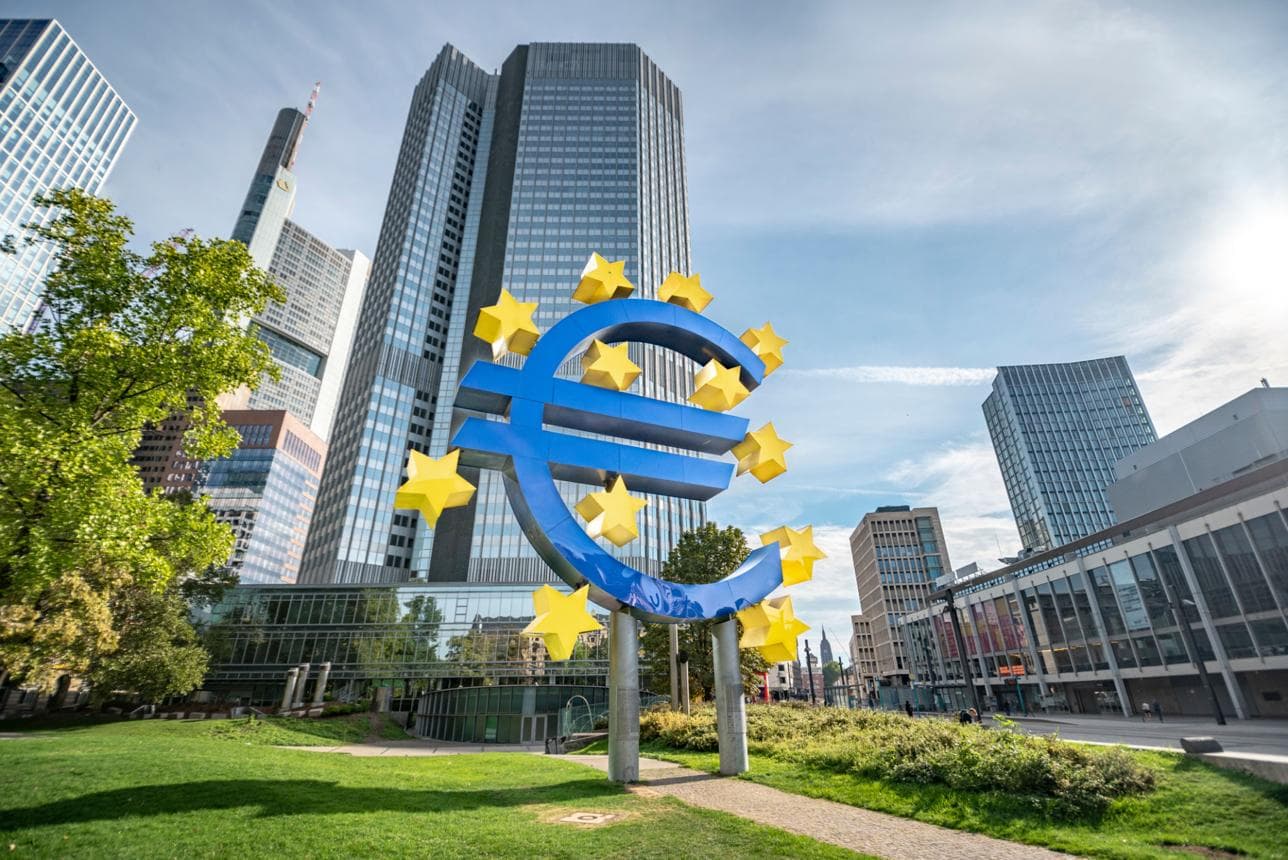
Investors have rarely entered an interest-rate meeting with this much conviction. Ahead of the European Central Bank’s Governing Council gathering on 11 June, rate markets are pricing a roughly 97 percent probability that policymakers will lift the deposit facility rate by a quarter point to 2.25 percent. If it happens, it will mark a clean reversal of the easing cycle that defined much of the past year, and the first time in months that the Council has tightened rather than held or trimmed.

The case for moving has been building through the spring. Headline inflation in the euro area rose to 3.2 percent in May, up from 3.0 percent in April and comfortably above the bank’s 2 percent target. The detail is what unsettles policymakers. Energy prices jumped 10.9 percent year on year, the sharpest increase since early 2023, propelled by geopolitical disruption around the Strait of Hormuz and renewed tension involving Iran. Core inflation, which strips out food and energy, accelerated to 2.5 percent from 2.2 percent, while services prices reached a seven-month high of 3.5 percent. Persistent services inflation tends to worry central bankers more than volatile energy swings, because it signals that price pressure has seeped into wages and domestic demand rather than imported costs alone.

Yet the Council faces an awkward split-screen. The same month that inflation climbed, the composite purchasing managers’ index slipped to 47.5 from 48.8, leaving private-sector activity below the threshold that separates expansion from contraction. In plain terms, prices are rising while output is softening, the uncomfortable mix that forces a central bank to choose between defending its mandate and nursing a fragile recovery. Some Council members have argued privately that tightening into a slowdown risks tipping growth further, and that cooling demand may do the bank’s job without a policy move.

For now, the hawks appear to hold the upper hand. A survey of economists in May had already pencilled in two hikes across 2026, and rate markets now stretch further: traders see a second increase by September and assign a 92 percent probability to a third before the year closes. That trajectory would carry the deposit rate toward 2.75 percent, a level unthinkable at the start of the year, when the dominant question was how quickly the bank could keep cutting.

What the Governing Council says on 11 June will matter as much as the decision itself. A quarter-point move that markets have fully digested changes little on its own; the signal lies in the forward guidance. If the accompanying statement leans on the phrase data dependent and declines to commit to a path, it preserves flexibility but tells investors little. If it acknowledges the energy shock as a temporary distortion rather than an entrenched trend, it could temper expectations for the autumn hikes now baked into pricing.

For households and businesses across the bloc, the practical stakes are immediate. Higher policy rates feed into mortgages, corporate borrowing and the cost of servicing sovereign debt, squeezing budgets in member states already wrestling with thin fiscal room. Savers, by contrast, stand to gain as deposit returns edge up after a long drought. The balance the Council strikes this month, between an inflation number it cannot ignore and a growth picture it cannot afford to worsen, will set the tone for European monetary policy through the second half of the year.