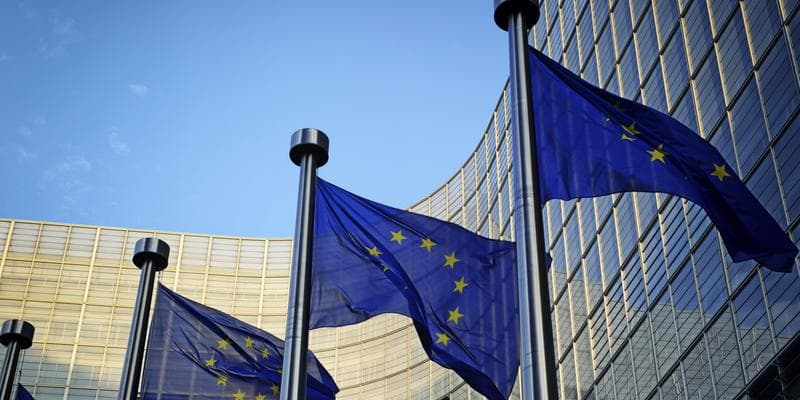
Merger control in the European Union is undergoing its broadest doctrinal revision in two decades, with the European Commission’s draft new Merger Guidelines published for consultation on 30 April 2026 and now open for industry, bar and academic comment until 26 June. The text consolidates the 2004 horizontal and 2008 non-horizontal guidelines into a single, considerably longer document and signals a Commission willing to ask new questions about innovation pipelines, dynamic competition and the role of EU policy objectives in transactions that would have previously passed an orthodox concentration screen.
The most striking shift is the elevation of dynamic effects to a first-rank analytical category. The draft guidelines spend extended passages on innovation theories of harm, pipeline overlaps and the risks attached to acquisitions of early-stage challengers in concentrated industries, language that would have read as heterodox in a 2008 case team but now reflects more than fifteen years of accumulating decisional practice. Competition Commissioner Teresa Ribera signalled the direction in her April interview with Capitol Forum, observing that the guidelines are no blank cheque for dealmakers and that the Commission will not endorse transactions resting on what she termed wishful thinking about future efficiencies.
The second structural change concerns the treatment of efficiencies and public-interest objectives. The draft preserves the well-established efficiencies framework but introduces a more explicit cross-reference to the Union’s broader policy goals, including the Clean Industrial Deal, the security and defence agenda, and the resilience priorities flagged in the Letta and Draghi reports. Critics inside the corporate bar have already objected that this risks turning merger review into a back-door industrial policy instrument; the Commission’s draft response is that consideration of policy objectives must remain anchored in the substantive test of significant impediment to effective competition.
Vertical effects, conglomerate concerns and ecosystem theories of harm have each been given clearer doctrinal frames. The treatment of digital ecosystems, in particular, attempts to articulate when integration of complementary services rises to the level of an anticompetitive concern under the Merger Regulation rather than under the Digital Markets Act, a boundary that has been ambiguous in every major tech merger since the 2017 Microsoft-LinkedIn precedent. The guidelines draw heavily on recent General Court judgments and on the Commission’s published prohibition and remedy decisions, giving practitioners a more legible decisional map than the previous text offered.
Killer-acquisition concerns occupy their own dedicated section, an analytical home that previously had to be improvised from various scattered paragraphs. The draft acknowledges that the dual problem of acquisitions falling below traditional turnover thresholds and acquisitions of nascent competitors above thresholds requires distinct theories and distinct evidence sets. The text deliberately avoids prescribing a new jurisdictional threshold, leaving that debate to the parallel review of the Merger Regulation itself.
For dealmakers, three immediate consequences flow from the draft. First, transaction timelines should be planned around longer pre-notification engagements, particularly for files involving innovation overlaps or ecosystem effects. Second, the evidentiary burden for efficiencies and pro-competitive policy benefits will rise noticeably, and parties will need to invest in robust economic submissions rather than relying on narrative pleadings. Third, the discretionary range available to case teams in framing theories of harm has widened, a fact that will reward early and detailed engagement with DG COMP officials rather than late-stage litigation posture.
Final adoption is scheduled for the fourth quarter of 2026, after the 10 June stakeholder workshop and the close of consultation in late June. The substantive direction is unlikely to change materially, though the precise calibration of the innovation and ecosystem language will repay close reading once the final text appears.